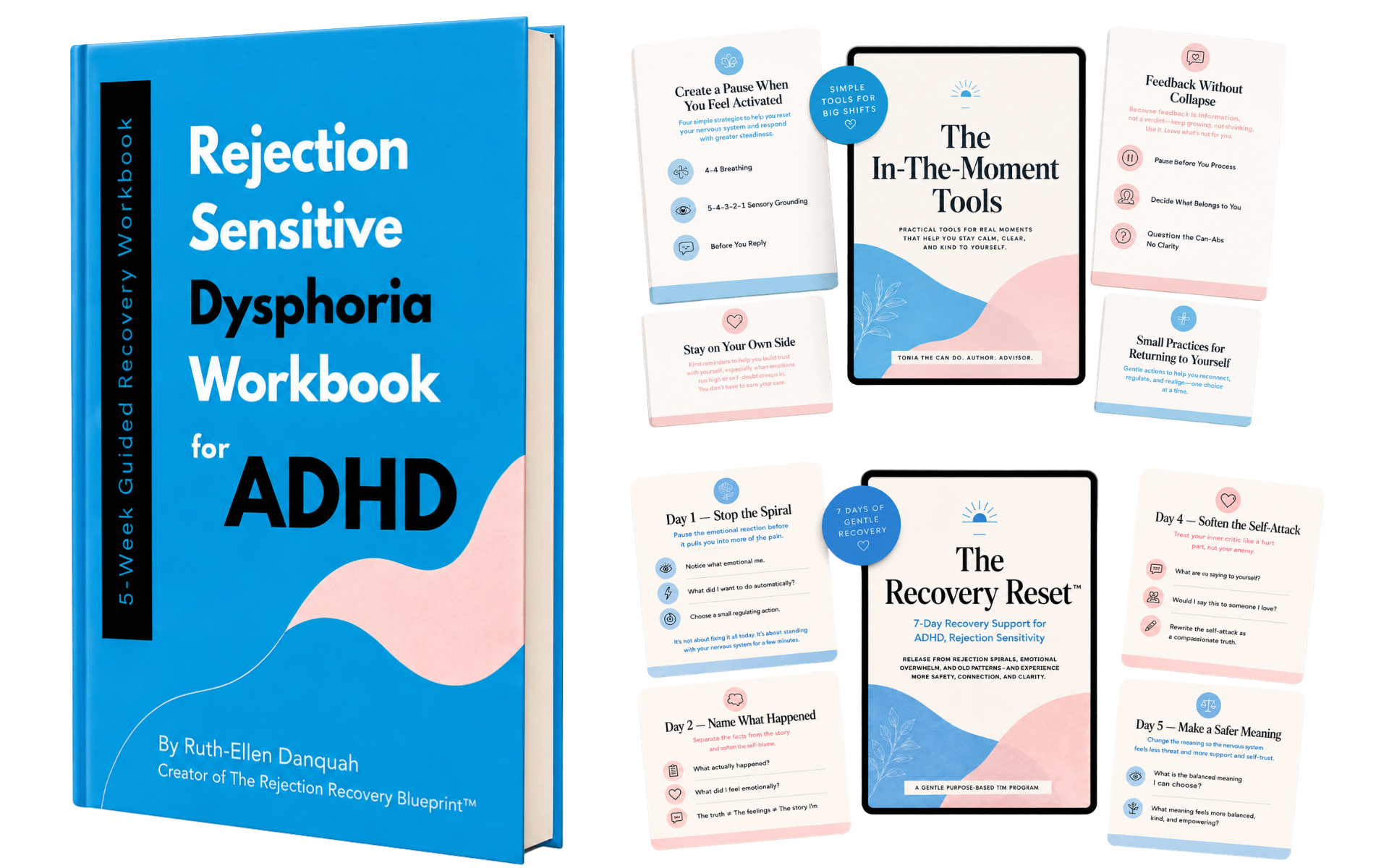




Ever felt like a simple “no” felt more like a dagger to the heart? You’re not alone. Rejection sensitivity can make even minor criticisms feel like monumental failures. But fear not, dear reader, because we’re diving into 10 actionable strategies to keep your momentum when rejection sensitivity threatens to derail your day. Let’s get into it, shall we?

Photo by Tima Miroshnichenko
1. Define Rejection Sensitivity
First things first, what exactly is rejection sensitivity? It’s that heightened reaction to perceived criticism or rejection. It can manifest in various ways—intense anxiety, depression, or even physical symptoms. Understanding it is the first step in taming the beast. If you want to know more about how rejection sensitivity intertwines with conditions like ADHD, check out why some people are sensitive to rejection or take the rejection sensitivity quiz to see how it impacts you.
2. Validate Your Emotional Experience
Ever tried ignoring your emotions? Spoiler alert: it doesn’t work. Acknowledging your feelings validates your emotional experience, paving the way for healing. Try asking yourself, “Why am I feeling this way?” It’s a small step, but boy, it’s powerful. Practice self-compassion like a pro by incorporating tips from this helpful post on self validation.
3. Pause and Breathe
When triggered, your body goes into fight-or-flight mode. Breathing helps calm your nervous system. The 4-7-8 technique works wonders: inhale for 4 seconds, hold for 7, and exhale for 8. Need more calming vibes? Dim the lights, play some chill tunes, and take a moment to yourself. In the Rejection Sensitive Journal, you can also access bonus body scan meditation
4. Reflect on Past Experiences
Remembering past episodes isn’t just a trip down memory lane; it’s about learning. Journaling about what triggered you before helps identify patterns. Need journaling prompts? How about: “What was the trigger?” or “How did I react?” Reflecting deepens self-awareness and future resilience. Grab some ADHD journaling prompts here or some shadow work prompts
5. Reframe Negative Thoughts
Negative thoughts are the pesky cousins no one invited. Transform these thoughts using cognitive restructuring. Turn “I failed” into “I learned something.” Affirmations can be doughnuts for your soul—sweet, uplifting, and potentially life-altering.
For more on turning the negative into the positive, take a look at cognitive restructuring.
6. Create a Support System
No one should face rejection sensitivity alone. Lean on a strong support network for rejection sensitivity like Momentum. Friends, family, or even a pet (they’re great listeners). Communicate your needs clearly. They can’t read your mind (unless they’re telepathic), so don’t expect them to.
7. Engage in Physical Activity
Exercise isn’t just for fitness buffs. It boosts endorphins, lifting your mood. Whether it’s a walk in the park or dancing around your living room, keep moving. Do you prefer something structured? Yoga or pilates is great for physical and mental peace.
8. Distract Yourself with Healthy Activities
Need a mental palate cleanser? Dive into activities you love—painting, reading, puzzles. Hobbies act as a reset button, providing a healthy distraction from those pesky negative thoughts. Read The Joy Of Missing Out; it might give you ideas for engaging activities.
9. Set Realistic Goals
When the winds of rejection blow, anchor yourself with small goals. Achievable tasks offer a sense of accomplishment. Think “Make my bed” or “Drink water.” Celebrate the little victories; they stack up to big wins.
Conclusion
Rejection sensitivity episodes might feel like storm clouds rolling in uninvited, but with these strategies, you’re better equipped to weather them. Remember, progress isn’t a straight line, and setbacks are part of the journey. Want more support? Joining Momentum can help you navigate this path with tools designed to empower. So, keep going, and embrace each moment with curiosity and strength!