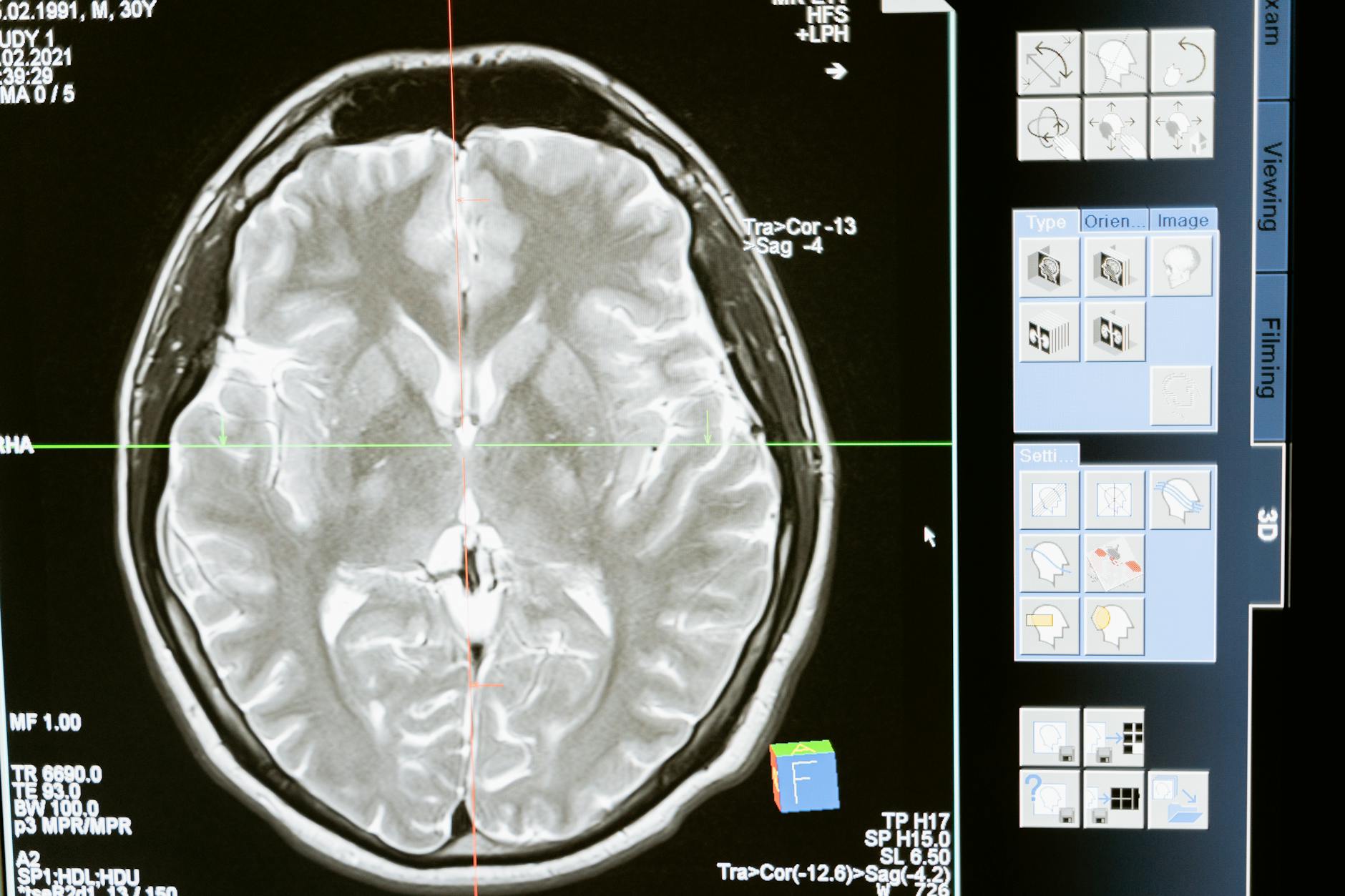
Ever wondered how the human brain manages to control impulsive behaviour? The answer lies in the fascinating science of response inhibition. This complex cognitive process allows us to suppress our impulses and make calculated decisions. In this blog post, we’ll delve deep into the mechanism behind response inhibition and how it plays a vital role in our everyday lives.
The Science of Response Inhibition: How Our Brain Controls Impulsive Behaviour
In this section, we will explore what response inhibition is and why it is important for our daily lives. Response inhibition is a cognitive process that enables us to suppress or stop an ongoing action or behaviour. It is the ability to control our impulses or desires and to refrain from acting on them at inappropriate times.
Definition of Response Inhibition
Response inhibition is a cognitive process that requires the brain to inhibit or stop an ongoing action or behaviour. It is a crucial aspect of self-control and emotional regulation that enables us to resist impulses and regulate our behaviour in accordance with our goals and values.
Response inhibition is a complex process that involves several brain regions, including the prefrontal cortex, basal ganglia, and parietal cortex. These regions work together to suppress or inhibit the activity of other brain regions that are responsible for generating the impulsive behaviour.
Response Inhibition
Response inhibition is essential for our daily lives because it enables us to control our behaviour and make appropriate decisions. It allows us to resist temptations and impulses that may be harmful or detrimental to our well-being and to act in accordance with our long-term goals and values.
Impulsivity and lack of response inhibition have been linked to several mental health disorders, including attention-deficit/hyperactivity disorder (ADHD), substance abuse, and borderline personality disorder. Improving response inhibition can help individuals with these conditions to regulate their behaviour and reduce impulsive actions.
In conclusion, response inhibition is a crucial cognitive process that enables us to control our behaviour and make appropriate decisions. It is essential for our daily lives and plays a significant role in maintaining our mental health and well-being.
How Does the Brain Control Impulsive Behaviour?
Impulsive behaviour is a common trait among humans, and it can often lead to undesirable outcomes. However, the brain has a way of controlling such behaviour through various mechanisms. In this article, we will explore the different parts of the brain that play a role in controlling impulsive behaviour, namely the prefrontal cortex, basal ganglia, and anterior cingulate cortex.
The Role of the Prefrontal Cortex
One of the key players in controlling impulsive behaviour is the prefrontal cortex, which is located at the front of the brain. This area is responsible for decision-making, regulating emotions, and controlling behaviour. It is through this area of the brain that we are able to weigh the consequences of our actions and make decisions accordingly.
Research has shown that individuals with damage to their prefrontal cortex are more likely to exhibit impulsive behaviour. This is because this area of the brain is responsible for inhibiting impulsive responses and controlling behaviour based on long-term goals, rather than immediate rewards.
The Role of the Basal Ganglia
The basal ganglia is a group of structures located deep within the brain that play a crucial role in controlling movement and behaviour. This area of the brain is responsible for initiating and inhibiting movements, and it plays a role in regulating impulsivity.
Research has shown that individuals with damage to their basal ganglia are more likely to exhibit impulsive behaviour. This is because this area of the brain is responsible for inhibiting unwanted movements and regulating impulsive behaviour.
The Role of the Anterior Cingulate Cortex
The anterior cingulate cortex is located in the middle of the brain and is responsible for regulating emotional responses and decision-making. This area of the brain plays a role in controlling impulsive behaviour by monitoring errors and conflicts.
Research has shown that the anterior cingulate cortex is activated when there is a conflict between the desire for an immediate reward and the need to inhibit a response. This area of the brain helps to resolve conflicts and make decisions based on long-term goals, rather than immediate rewards.
Response inhibition, the ability to control impulsive behaviour, is influenced by a variety of factors. In this section, we will explore the impact of genetics and environmental factors on response inhibition.
Genetics and Response Inhibition
Studies have shown that genetics play a significant role in response inhibition. Certain genes have been linked to increased impulsivity and decreased inhibitory control, while other genes have been associated with better response inhibition abilities.
One study found that variations in the DRD4 gene, which is involved in dopamine signaling, were associated with decreased response inhibition in children. Another study found that a variation in the COMT gene, which is involved in dopamine metabolism, was associated with increased impulsivity in adults.
While genetics can play a role in response inhibition abilities, it’s important to note that they do not dictate an individual’s behaviour. Environmental factors can also have a significant impact on inhibitory control.
Environmental Factors and Response Inhibition
Environmental factors such as stress, nutrition, and upbringing can all impact response inhibition abilities. Chronic stress, for example, has been linked to decreased inhibitory control. A study found that individuals who experienced childhood trauma had decreased response inhibition abilities compared to those who did not experience trauma.
Nutrition can also play a role in response inhibition. A study found that a high sugar diet was associated with decreased inhibitory control in children. In contrast, a diet high in omega-3 fatty acids was associated with improved response inhibition abilities.
Upbringing and parenting styles can also impact response inhibition abilities. A study found that children raised in households with authoritative parenting styles (characterized by high warmth and high control) had better inhibitory control compared to those raised in households with permissive or authoritarian parenting styles.
Overall, it’s important to consider both genetics and environmental factors when examining response inhibition abilities. By understanding these factors, we can work towards improving our inhibitory control and reducing impulsive behaviour.
Impulse control is an important function of our brain that allows us to make decisions that are in our best interest. However, sometimes individuals struggle with controlling their impulses, leading to a range of disorders, including ADHD, substance abuse, and gambling addiction.
ADHD and Response Inhibition
ADHD, or Attention Deficit Hyperactivity Disorder, is a condition that affects millions of people worldwide. One of the main symptoms of ADHD is impulsivity, which can lead to problems in both personal and professional relationships. Research has shown that individuals with ADHD have difficulties with response inhibition, the ability to stop oneself from acting on an impulse. This can lead to impulsive behaviours such as interrupting others, blurting out inappropriate comments, and acting without thinking.
Substance Abuse and Response Inhibition
Substance abuse is a serious problem that can lead to addiction and many negative consequences. Research has shown that individuals with substance abuse disorders have difficulties with response inhibition, leading to impulsive behaviours such as drug-seeking and drug-taking behaviours, even when they know the negative consequences.
Gambling Addiction and Response Inhibition
Gambling addiction is a type of behavioural addiction that can lead to many negative consequences, including financial ruin and relationship problems. Research has shown that individuals with gambling addiction have difficulties with response inhibition, leading to impulsive behaviours such as placing bets even when they know they cannot afford to lose.
Overall, understanding the science of response inhibition can provide important insights into the development and treatment of impulse control disorders. By targeting response inhibition specifically, therapies and interventions can be developed to help individuals struggling with these disorders to better manage their impulses and make better decisions.
Conclusion
Carly worked in a bustling office, where her job was to manage client accounts and ensure that all transactions were processed accurately and efficiently. It was a challenging job, requiring her to juggle multiple tasks at once while also staying on top of her deadlines.
As Carly went about her day, she noticed that her colleagues seemed to be able to complete their tasks with ease, while she often found herself getting distracted and making mistakes. She couldn’t help but feel frustrated with herself, wondering why she was struggling so much.
Then, one day, she heard a story that helped her understand what was going on. A colleague told her about a game he used to play as a child called “Whac-a-Mole,” where players had to use a mallet to hit plastic moles as they popped up randomly from various holes.
The colleague explained that response inhibition in the workplace was a lot like playing Whac-a-Mole. Just as the player had to resist the impulse to hit every mole that popped up, Carly had to resist the impulse to get distracted by every email or notification that came her way.
At first, Carly was sceptical. How could a childhood game possibly relate to her job? But the more she thought about it, the more it made sense. Just like in Whac-a-Mole, she had to stay focused on her target (her current task) and resist the temptation to get sidetracked by other things that demanded her attention.
With this newfound understanding, Carly began to practice response inhibition in the workplace. She set aside specific times to check her email and social media, and made a conscious effort to stay on task and avoid distractions. And little by little, she found that her work became easier and more efficient, just like hitting more moles in the game.
In the end, Carly realized that response inhibition was not just a valuable skill for playing a childhood game, but also an essential skill for succeeding in the workplace. By learning to resist distractions and stay focused, she was able to become a more productive and effective employee.
If you want to use the power of gamification just like Carly to improve your response inhibition, then you know what to do, click here to direct message me on Facebook about Power Up!
My comprehensive program is designed to help individuals improve their executive functioning skills.
The program is structured as a series of challenges that are designed to gradually increase in difficulty and complexity. Each challenge focuses on a specific executive functioning skill, such as working memory, attention, or flexibility, and includes a variety of exercises and activities that target that skill.
In summary, response inhibition plays a crucial role in regulating impulsive behaviour. The prefrontal cortex, particularly the right inferior frontal gyrus, is the key brain region involved in this process. Research has demonstrated the importance of various neurotransmitters, such as dopamine and serotonin, in modulating response inhibition.
Understanding the science behind response inhibition can lead to the development of effective interventions for individuals struggling with impulsivity-related disorders. Furthermore, it can inform strategies to enhance self-control in daily life. By promoting the growth of this knowledge base, we can ultimately support individuals in making healthier, more informed decisions.
Tackling a long to-do list can be overwhelming, but knowing how to prioritise tasks effectively can make a world of difference. In this guide, you’ll learn proven strategies to help you focus on what’s most important, get more done in less time, and reduce stress. Say goodbye to that never-ending list and hello to newfound productivity! So, let’s dive in and discover the secrets to mastering task prioritisation.
Planning/prioritising is another executive function skill and I’m about to break down how you can strengthen it.
Understanding the Importance of Task Prioritisation
As human beings, we are tasked with various responsibilities every day. Work, family, and personal commitments all compete for our time and attention. With so much to do, it can be challenging to decide where to start and what to tackle first. This is where task prioritisation comes in.
The Costs of Poor Task Prioritisation
When we fail to prioritise our tasks, we risk wasting valuable time and resources on activities that may not be the most important. Poor task prioritisation can result in missed deadlines, delayed projects, and unfinished work. It can also lead to stress, burnout, and a sense of overwhelm.
Imagine spending hours on a low-priority task only to realise that you have neglected a more critical project that is now overdue. The costs of poor task prioritisation can be significant, both personally and professionally.
The Benefits of Good Task Prioritisation
On the other hand, good task prioritisation can help us maximise our productivity and achieve our goals efficiently. By prioritising our tasks, we can focus our efforts on the most critical activities, leading to better results in less time. It can also help us avoid burnout and reduce stress by breaking down larger projects into smaller, manageable tasks.
Effective task prioritisation can also lead to greater job satisfaction, as we feel a sense of accomplishment when we complete our most important tasks. This feeling of progress and achievement can motivate us to continue working towards our goals and help us stay on track.
In conclusion, knowing how to prioritise tasks and overall task prioritisation sll is a critical skill that can help us achieve more in less time while reducing stress and maintaining our well-being. By understanding the costs of poor task prioritisation and the benefits of good task prioritisation, we can make informed decisions about how to manage our time and prioritise our tasks effectively.
Identifying and Categorising Your Tasks
Managing your time effectively starts with having a clear understanding of the tasks that you need to accomplish. To do this, it is important to create a master task list that includes all of the things you need to do. This ensures that nothing falls through the cracks and that you can see all of your responsibilities in one place.
Creating a Master Task List
Start by making a list of all the tasks that you need to accomplish. This can include work-related tasks, personal responsibilities, and anything else you need to do. Don’t worry about categorising them yet, just get everything down on paper. Once you have a comprehensive list, you can start to prioritise.
When creating your master task list, consider using a digital tool such as a task management app. This can make it easier to add, remove, and categorise tasks as needed.
Categorising Tasks into High, Medium, and Low Priorities
Once you have your master task list, you can start to categorise your tasks based on their priority. This will help you to focus your time and energy on the tasks that are most important.
Start by identifying the tasks that are urgent and important. These are your high-priority tasks. They are the things that need to be accomplished as soon as possible. Examples of high-priority tasks might include meeting a work deadline, paying a bill that is due, or attending a doctor’s appointment.
Next, identify the tasks that are important but not necessarily urgent. These are your medium-priority tasks. They are things that need to be done, but they don’t have a specific deadline. Examples of medium-priority tasks might include planning a vacation, organising your closet, or taking a course to improve your skills.
Finally, identify the tasks that are neither urgent nor important. These are your low-priority tasks. They are things that can be put off or even eliminated altogether. Examples of low-priority tasks might include browsing social media, watching television, or cleaning the house when it’s already tidy.
Once you have categorised your tasks, you can start to focus on the high-priority tasks first. This will help you to make progress on the things that matter most and ensure that you are using your time effectively.
Time is one of the most valuable resources available to us. However, with so many tasks and responsibilities to juggle, it can be challenging to manage our time effectively. Fortunately, there are several proven time management techniques that can help you make the most of your time. In this article section, we will explore three such techniques – the Eisenhower Matrix, the Pomodoro Technique, and Time Blocking – that can help you prioritize tasks and maximize productivity.
The Eisenhower Matrix
The Eisenhower Matrix is a popular time management tool that helps you prioritize tasks based on their urgency and importance. To use the Eisenhower Matrix, start by dividing your tasks into four categories:
Urgent and important: tasks that require immediate attention and have a significant impact on your goals
Important but not urgent: tasks that are essential to achieving your goals but can be scheduled for later
Urgent but not important: tasks that require immediate attention but have little impact on your goals
Not urgent and not important: tasks that can be eliminated or delegated
Now draw the table and add post-it notes of each task into the relevant quadrant
Quadrant
Urgent
Not Urgent
Important
Do (now) – Requires immediate attention and has significant impact on goals
Do (now) – Requires immediate attention and has a significant impact on goals
Not Important
Delegate (who to do) – Requires immediate attention but has little impact on goals
Delete (don’t do) – Can be eliminated or delegated
By using this matrix, individuals can prioritize their tasks and allocate their time and resources effectively, ensuring that they focus on the most important and urgent tasks first and avoid wasting time on tasks that are not important or urgent. This approach can help individuals improve their productivity, reduce stress, and achieve their goals more efficiently.
By prioritizing tasks based on their urgency and importance, you can focus your efforts on the tasks that matter most and avoid wasting time on less critical tasks.
Pareto Principle (80/20 Rule)
The Pareto Principle, also known as the 80/20 Rule, suggests that 80% of your results come from 20% of your efforts. This principle highlights the importance of identifying and focusing on the vital few tasks that yield the most significant outcomes. To apply the Pareto Principle, follow these steps:
Identify the tasks that contribute the most to achieving your goals.
Rank them based on their potential impact.
Allocate your time and resources accordingly, giving priority to the tasks with the highest impact.
By applying the Pareto Principle, you can maximize your productivity by concentrating on the tasks that bring the greatest value.
ABC Method
The ABC Method is a technique that involves categorizing tasks into three groups:
A-Tasks: These tasks are critical and must be completed as a priority.
B-Tasks: These tasks are important but not as time-sensitive as A-Tasks.
C-Tasks: These tasks are nice to have but not critical or time-sensitive.
By assigning priorities to tasks using the ABC Method, you can ensure that you focus on the most crucial activities before moving on to less critical ones.
MoSCoW Technique
The MoSCoW Technique is commonly used in project management to prioritize requirements. It involves categorizing tasks into four groups:
Must-Have: Tasks that are essential and must be completed for the project’s success.
Should-Have: Tasks that are important but not critical. They should be addressed after the Must-Have tasks.
Could-Have: Tasks that are desirable but not essential. They can be considered if time and resources allow.
Won’t-Have: Tasks that are not included in the current scope but may be considered in the future.
By using the MoSCoW Technique, you can prioritize tasks based on their impact on project success and manage stakeholder expectations effectively.
Implementing these prioritization techniques can significantly improve your productivity and ensure that you allocate your time and resources wisely. Experiment with these techniques to find the ones that work best for you and your specific goals. Create a Work Schedule
The Pomodoro Technique
The Pomodoro Technique is a time management method developed by Francesco Cirillo in the late 1980s. The technique involves breaking your workday into 25-minute intervals (known as “Pomodoros”) separated by short breaks. To use the Pomodoro Technique:
Choose a task to work on
Set a timer for 25 minutes
Work on the task until the timer goes off
Take a short break (3-5 minutes)
Repeat the process
The Pomodoro Technique can help you stay focused and avoid distractions, as well as providing structure to your workday. By working in short bursts, you can maintain your energy and motivation throughout the day.
Time Blocking is a time management technique that involves scheduling specific blocks of time for different tasks or activities. To use Time Blocking, start by:
Creating a list of tasks for the day or week
Estimating how much time each task will take (I know, I know time blindness)
Blocking out specific times in your schedule for each task
You can stay focused and avoid distractions by scheduling specific blocks of time for each task. Time Blocking can also help you avoid overcommitting your time and ensure that you have enough time for each task.
Overall, the Eisenhower Matrix, the Pomodoro Technique, and Time Blocking are powerful time management tools that can help you prioritize tasks, stay focused, and maximize productivity. By incorporating these techniques into your daily routine, you can take control of your time and achieve your goals more efficiently.
Not sure about Eisenhower? Here are two more alternatives
How to Prioritise Tasks with the 4Ds and ABCDE Method
The art of organising one’s time effectively is essential for success in today’s fast-paced world. Mastering the 4Ds of time management and the ABCDE method can significantly improve productivity and reduce stress levels. This blog post delves into these powerful techniques, helping readers to better manage their daily tasks and prioritise their goals. By learning how to decide, delegate, defer, and delete, as well as how to categorise tasks using the ABCDE method, readers will be equipped with practical tools to make the most of their valuable time.
Understanding the 4Ds of Time Management
Time management is a crucial aspect of our lives, yet it remains a challenge for many. With so many distractions and responsibilities, it is easy to lose track of time and miss out on important tasks. The 4Ds of time management, and the ABCDE method, are two popular time management strategies that can help you stay organized and productive. In this article, we will explore the 4Ds of time management, which are:
The First D: Do it now
First things first, if a task can be completed in two minutes or less, do it immediately. This will help you avoid procrastination and increase your productivity. By completing small tasks as soon as they come up, you can focus on more significant tasks without worrying about the little things.
The Second D: Delegate it
Delegation is an essential skill in time management, especially if you have a lot on your plate. Ask yourself, is this task something I need to do myself, or can someone else do it? Delegating tasks to others can free up your time and allow you to focus on more important tasks.
The Third D: Defer it
Not all tasks need to be done immediately. If a task is not urgent, consider deferring it to a later time or day. By prioritizing tasks, you can ensure that the most important tasks are completed first, and less important tasks are done later.
The Fourth D: Dump it
Sometimes, we take on tasks that are not necessary or do not contribute to our goals. If a task does not add value, consider dumping it altogether. This will help you avoid wasting time on unimportant tasks and focus on what matters.
By incorporating the 4Ds of time management into your daily routine, you can become more organised and productive. Remember, time is a valuable resource, and managing it effectively can help you achieve your goals.
Another alternative to the Eisenhower Matrix is the ABCDE method
How to Use the ABCDE Method for Effective Time Management
Step 1: Write Down All Tasks and Assign a Letter
Begin by writing down all the tasks you need to complete for the day or week. Assign each task a letter from A to E, with A being the most important and E being the least important. This helps you prioritize and focus on the most important tasks first, rather than getting sidetracked by less important ones.
For example, answering important emails would be an “A” task, while checking social media notifications would be a “D” or “E” task.
Step 2: Evaluate Each Task’s Consequence
Once you have assigned letters to all tasks, evaluate each of them based on their consequence. Assign a number from 1 to 10, with 10 being the most important and 1 being the least important. This helps you further prioritize and focus on tasks that have a higher consequence.
For example, completing a project before a deadline would be a “10” consequence, while organizing your desk would be a “2” or “3” consequence.
Step 3: Work on A Tasks First
Start working on the “A” tasks first, focusing on completing them before moving on to “B” tasks. This ensures that you complete the most important tasks first and avoid getting sidetracked by less important ones.
For example, if responding to an important email is an “A” task, make sure you complete it before checking social media notifications or organizing your desk.
Step 4: Delegate or Delete Tasks with Lower Letters and Consequences
Delegate or delete tasks with lower letters and consequences, such as “D” and “E” tasks. This helps you avoid wasting time on tasks that are not important or can be completed by someone else.
For example, if organizing your desk is a “D” task and can be delegated to an intern, delegate it and focus on completing the more important tasks.
By using the ABCDE method, you can effectively manage your time and prioritize tasks based on their importance and consequence. This helps you avoid getting sidetracked by less important tasks and focus on completing the most important ones first.
Delegating and Outsourcing Tasks: How to Prioritise Tasks
As a busy professional, it can be difficult to manage all of your tasks effectively. Delegating and outsourcing can help you to free up some time and focus on the most important tasks. In this section, we will discuss how to identify tasks that can be delegated or outsourced, and provide guidelines for effective delegation and outsourcing.
Identifying Tasks That Can Be Delegated or Outsourced
When it comes to delegating and outsourcing tasks, it’s important to identify which tasks can be passed on to others. This can be a difficult process, as it requires a certain level of trust in your colleagues or outsourcing partners. However, there are a few key criteria that can help you to identify tasks that can be delegated or outsourced:
Tasks that are time-consuming but not critical to your role
Tasks that require a specific skillset that you don’t possess
Tasks that can be completed remotely or outside of your office
By delegating or outsourcing these tasks, you can free up your time to focus on the most important tasks that require your expertise.
Guidelines for Effective Delegation and Outsourcing
Once you’ve identified which tasks can be delegated or outsourced, it’s important to follow some guidelines to ensure that the process is effective:
Choose the right person or partner for the task: Make sure that the person or partner you choose has the necessary skills and experience to complete the task effectively.
Clearly define the task: Be specific about what needs to be done, when it needs to be done, and what the expected outcome is.
Provide the necessary resources: Make sure that the person or partner has all of the resources they need to complete the task, such as access to software, tools, or information.
Set expectations and deadlines: Clearly communicate your expectations and deadlines to the person or partner, and make sure that they understand what is required of them.
Monitor progress: Check in regularly to monitor progress and ensure that the task is on track. Provide feedback and guidance as needed.
By following these guidelines, you can ensure that the delegation or outsourcing process is effective and that the task is completed to your satisfaction.
Delegating and outsourcing tasks can be a powerful tool for managing your workload and focusing on the most important tasks. By identifying which tasks can be passed on to others, and following the guidelines for effective delegation and outsourcing, you can free up your time and energy to focus on what really matters.
Reviewing and Adjusting Your Priorities
Once you have made a list of tasks and assigned priority levels to each one, it is important to regularly review and adjust your priorities. This will help to ensure that you are focusing on the most important tasks at any given time.
Regularly Reviewing Your Priorities
One of the most important things you can do to stay on top of your priorities is to regularly review your list. This can be done on a daily basis, or at the beginning or end of each week. During this review, please take a look at the tasks you have on your list and consider whether they are still relevant and important. If there are any tasks that are no longer a priority, remove them from your list.
It’s also important to consider any new tasks that may have come up since you created your list. If there are any tasks that are now a priority, add them to your list and assign them an appropriate priority level.
Making Adjustments as Necessary
As you work through your list of tasks, you may find that some tasks are taking longer than expected, or that other tasks have become more urgent. When this happens, it’s important to make adjustments to your priorities.
One way to do this is to reassign priority levels to your tasks. For example, if a task that was previously assigned a low priority has become more urgent, you can increase its priority level. Similarly, if a task previously assigned a high priority takes longer than expected, you can decrease its priority level.
Another way to make adjustments to your priorities is to delegate tasks to others. If you have a team or colleagues who can help you with certain tasks, consider delegating those tasks to them. This will free up your time to focus on the tasks that are most important for you to complete.
Overall, the key to reviewing and adjusting your priorities is to stay flexible and adaptable. By regularly reviewing your list of tasks and making adjustments as necessary, you can ensure that you are always focusing on the most important tasks at any given time.
In the end, mastering task prioritisation so you know how to prioritise tasks is the key to unlocking productivity and achieving success in any area of life. By implementing proven techniques such as the Eisenhower Matrix, Pomodoro, time blocking, 4Ds of time management, and the ABCDE method, anyone can effectively organise their daily tasks and accomplish more in less time.
Time is a precious currency that must be spent wisely. To prioritise time is to recognise its finite nature and consciously allocate it to what truly matters. It requires a discerning mind, a clear vision, and the courage to let go of the trivial and embrace the essential.
As Stephen Covey once said, ‘The key is not to prioritize what’s on your schedule but to schedule your priorities.’ By aligning our actions with our values and purpose, we empower ourselves to create a meaningful existence and leave a lasting impact on the tapestry of time.” – Covey, S. R. (1989). The 7 Habits of Highly Effective People: Powerful Lessons in Personal Change.
Remember, evaluating the importance and urgency of tasks will significantly improve decision-making, resulting in better time management and increased work efficiency. Moreover, continuously reassessing goals and adjusting priorities will ensure that the focus remains on what truly matters. With practice and commitment, prioritising tasks will become second nature, leading to a more balanced, organised, and successful life. Now, it’s time to take charge of the to-do list and start prioritising like a pro!
Working memory problems can sneak up on anyone, making daily tasks feel like uphill battles. But don’t worry; there’s hope! In this blog post, we’ll explore 10 common working memory problems and provide practical solutions to overcome them. So, strap in and get ready to supercharge your brainpower – let’s dive into the world of working memory fixes!
What is Working Memory?
Have you ever forgotten why you walked into a room or struggled to remember a phone number? These are examples of working memory problems that many people experience daily. Working memory is the cognitive process that allows us to store and manipulate information in our minds for short periods, typically 20-30 seconds. It’s the type of memory that you use to keep a phone number in mind while dialling it, or to remember a set of instructions while completing a task.
An Overview of Working Memory
Working memory is a complex process that involves several different areas of the brain. It consists of three main components:
The phonological loop – responsible for storing verbal information
The visuospatial sketchpad – responsible for storing visual and spatial information
The central executive – responsible for controlling and coordinating the other two components
Working memory is essential for many everyday tasks, such as reading, problem-solving, and decision-making. It allows us to hold information in mind while we perform mental operations on it, such as adding numbers or comparing objects.
Although working memory is a vital cognitive function, many people experience problems with it at some point in their lives. Some of the most common working memory problems include:
Forgetting information shortly after learning it
Difficulty multitasking
Getting distracted easily
Struggling to follow instructions
Difficulty with mental math
Forgetting appointments or deadlines
Getting lost or disoriented easily
How to Fix Working Memory Problems
If you’re experiencing working memory problems, there are several strategies you can use to improve your memory and cognitive function:
Repeat information to yourself to improve retention
Use visual aids, such as diagrams or mind maps, to help visualize information
Break complex tasks into smaller, more manageable steps
Avoid multitasking and focus on one task at a time
Avoid distractions, such as social media or TV, while working on a task
Practice mental math and other cognitive exercises to improve working memory
Use reminders, such as phone alarms or sticky notes, to help remember appointments and deadlines
Working memory problems can be frustrating, but there are many strategies you can use to improve your cognitive function and memory retention. By incorporating these tips into your daily routine, you can overcome working memory problems and improve your overall cognitive performance.
10 Common Problems with Working Memory and How to Fix Them
Do you have trouble remembering important information or tasks? Do you feel like you have a short attention span or have difficulty focusing? If you answered yes, you may be experiencing common problems with your working memory. Working memory is the ability to hold and manipulate information in your mind for a short period of time. Here are 10 common problems with working memory and how to fix them:
Distractions
Distractions can make it difficult to stay focused on a task or remember important information. To reduce distractions, find a quiet place to work and remove any potential distractions such as your phone or social media notifications. Consider using noise-cancelling headphones or background music to help you concentrate.
Multitasking
Trying to do too many things at once can overload your working memory and make it difficult to remember important information. To avoid multitasking, prioritize your tasks and focus on one thing at a time. If you need to switch tasks, take a break in between to reset your working memory.
Forgetting Tasks
Forgetting tasks can be frustrating and can lead to missed deadlines or important appointments. To avoid forgetting tasks, write them down in a planner or on a to-do list. Review your list regularly and prioritize tasks based on their importance and deadline.
Difficulty Focusing
Difficulty focusing can make it hard to remember important information or complete tasks. To improve focus, try breaking tasks down into smaller, more manageable parts. Take regular breaks and practice mindfulness or meditation to improve your attention span.
Poor Listening Skills
Poor listening skills can make it difficult to remember important information. To improve your listening skills, focus on the speaker and actively engage in the conversation. Take notes or ask questions to clarify information and repeat important points to help you remember.
Difficulty in Following Directions
Difficulty in following directions can make it hard to complete tasks or find your way. To improve your ability to follow directions, break them down into smaller steps and repeat them back to the person giving them. Use visual aids such as maps or diagrams to help you visualize the steps.
Short Attention Span
A short attention span can make it difficult to focus on tasks or remember important information. To improve your attention span, practice mindfulness or meditation, take regular breaks, and break tasks down into smaller, more manageable parts.
Difficulty in Learning New Things
Difficulty in learning new things can be frustrating and can make it hard to remember important information. To improve your ability to learn new things, break new information down into smaller, more manageable parts. Use repetition and rehearsal to help you remember, and try to relate new information to things you already know.
Trouble with Decision Making
Trouble with decision-making can make it hard to prioritize tasks or make important choices. To improve your ability to make decisions, consider all your options and weigh the pros and cons of each. Seek advice from others and use your intuition to help guide your decisions.
Inability to Plan and Organise
The inability to plan and organise can make it hard to prioritise tasks or achieve goals. To improve your ability to plan and organize, break tasks down into smaller, more manageable parts. Use a planner or to-do list to keep track of tasks and deadlines, and prioritize tasks based on their importance and deadline.
How to Fix Working Memory Problems
If you’re struggling with working memory problems, there are several things you can do to improve your memory and focus. Here are 10 tips to help you fix your working memory problems:
Join Power Up
I couldn’t not mention my programme that helps you strengthen your executive function skills in 90 days or less.
Power-Up is a comprehensive program designed to help individuals improve their executive functioning skills.
The program is structured as a series of challenges that are designed to gradually increase in difficulty and complexity. Each challenge focuses on a specific executive functioning skill, such as working memory, attention, or flexibility, and includes a variety of exercises and activities that target that skill.
The challenges are designed to be engaging and fun, with a variety of interactive elements and feedback mechanisms that help participants stay motivated and track their progress.
Power-Up! – The Ultimate Executive Function Programme is an effective and engaging way to improve executive functioning skills and achieve success in many areas of life. Direct message me here on Facebook to see if you’re a good fit for my 90-day container.
Create a Schedule
One of the best ways to improve your working memory is to create a schedule and stick to it. This will help you stay organized and on track, and will reduce the amount of information you need to keep in your head at any given time. Use a planner or a calendar app to help you keep track of your schedule.
Minimise Distractions
Distractions can be a major problem for people with working memory problems. To help you stay focused, try to minimise distractions as much as possible. Turn off your phone or put it on silent, close your email inbox, and avoid working in noisy or distracting environments.
Use Memory Techniques
You can use several memory techniques to help you remember things more easily. For example, you can use mnemonic devices, such as acronyms or rhymes, to help you remember important information. You can also try visualising information or using repetition to help you remember.
Practice Focus Exercises
Practising focus exercises can help improve your working memory over time. Some examples of focus exercises include meditation, deep breathing, and yoga. These exercises can help you stay calm and focused, and can help improve your memory and concentration.
Engage in Brain Training Activities
There are several brain training activities you can do to help improve your working memory. Some examples of brain training activities include crossword puzzles, Sudoku, and memory games. These activities can help keep your brain active and engaged, and can improve your ability to remember things.
Exercise Regularly
Regular exercise can help improve your overall brain function, including your working memory. Exercise can help increase blood flow to the brain, which can help improve memory and concentration. Aim for at least 30 minutes of exercise each day.
Eat Brain-Boosting Foods
What you eat can also affect your working memory. Try to eat a balanced diet that includes plenty of brain-boosting foods, such as blueberries, nuts, fish, and leafy greens. These foods are rich in nutrients that can help improve brain function and memory.
Get Enough Sleep
Getting enough sleep is essential for good brain function, including your working memory. Aim for at least 7-8 hours of sleep each night, and try to maintain a consistent sleep schedule as much as possible.
Seek Professional Help
If you’re still struggling with working memory problems, it may be time to seek professional help. A doctor or mental health professional can help you identify the cause of your working memory problems and recommend appropriate treatment.
Embrace Mindfulness
Mindfulness can be a powerful tool for improving your working memory. By practicing mindfulness, you can learn to focus your attention and reduce distractions, which can help improve your memory and concentration.
By following these tips, you can improve your working memory and reduce the impact that memory problems have on your daily life.
Conclusion
In the end, overcoming common working memory problems is achievable with the right strategies. Embrace techniques like chunking information, creating visuals, and repetition to boost your memory capacity. Stay organised and maintain a healthy lifestyle to support your cognitive functions further.
Remember, practice makes perfect. As you apply these tips, you’ll find your working memory becoming sharper and more efficient. So, don’t be afraid to tackle those memory challenges and watch yourself excel in every task you undertake.
Ever found yourself in a situation where you had to hold back a sudden urge or action? It’s quite common, and the ability to do so is called Response Inhibition. In this blog post, you’ll learn all about this essential cognitive skill, its importance, and how to improve it for better self-control in various aspects of life.
Response Inhibition plays a significant role in daily activities, from something as simple as avoiding an impulsive purchase to more complex situations like maintaining focus during crucial tasks. By understanding and mastering this cognitive function, you’ll be able to make better decisions and easily navigate through life.
What is Response Inhibition?
Definition of Response Inhibition
Response inhibition controls or stops a pre-planned or automatic motor response, behaviour or thought. It is a cognitive control mechanism that enables individuals to adapt their behaviour to environmental changes or achieve their goals.
Response inhibition is an essential component of self-regulation and executive function, and it involves the prefrontal cortex, basal ganglia, and other brain regions.
Why Response Inhibition is Important
Response inhibition is essential for several reasons.
It helps individuals to
Resist temptation
Delay gratification
Make better decisions
It also enables individuals to inhibit irrelevant or distracting information and focus on the task at hand.
Research has shown that individuals with poor response inhibition may be more prone to impulsive behaviour, attention deficit hyperactivity disorder (ADHD), substance abuse, and other mental health conditions.
Overall, response inhibition plays a crucial role in our daily lives by helping us to regulate our behaviour, control our emotions, and achieve our goals. Improving our response inhibition can enhance our self-control, decision-making, and overall well-being.
The Science of Response Inhibition
Response inhibition is suppressing or stopping a prepotent response or behaviour, it’s your ability to stop yourself from engaging in a certain behaviour or action. It is an essential component of cognitive control, and it is necessary for successful goal-directed behaviour and decision-making.
The neurological basis of response inhibition is complex, involving the interaction between several brain regions and neurotransmitters.
This section will explore the brain’s role in response inhibition and how this ability develops.
The Brain’s Role in Response Inhibition
The prefrontal cortex, a region at the front of the brain, plays a critical role in response inhibition. This area is responsible for executive functions such as working memory, planning, and decision-making. It also communicates with other brain regions, such as the basal ganglia, to control motor responses.
Studies have shown that the prefrontal cortex is activated when individuals need to inhibit a response. For example, if someone is asked to press a button only when a certain stimulus appears on a screen, their prefrontal cortex will activate to prevent them from pressing the button if the wrong stimulus appears. This process involves a complex network of brain regions and neurotransmitters.
The Role of Neurotransmitters
Neurotransmitters are chemical messengers that transmit signals between neurons. Several neurotransmitters, including dopamine, serotonin, and norepinephrine, are involved in response inhibition.
Dopamine is a neurotransmitter involved in the reward system and is essential for motivation and goal-directed behaviour. It plays a crucial role in response inhibition by modulating the prefrontal cortex and basal ganglia activity.
Serotonin is a neurotransmitter that is involved in the regulation of mood, sleep, and appetite. It also plays a crucial role in response inhibition by modulating the prefrontal cortex and anterior cingulate cortex activity.
Norepinephrine is a neurotransmitter that is involved in the regulation of attention and arousal. It plays a crucial role in response inhibition by modulating the prefrontal cortex and anterior cingulate cortex activity.
Overall, the interaction between these neurotransmitters and brain regions is essential for successful response inhibition and cognitive control.
How do you know if you have weak response inhibition?
Response inhibition is a skill that develops throughout childhood and adolescence. Infants and young children have limited ability to inhibit their impulses, so they often engage in impulsive behaviours such as grabbing toys or hitting others. As children grow older, they develop better control over their behaviour and can better resist impulses.
Several factors contribute to the development of response inhibition. One of the most important is the development of the prefrontal cortex. This region of the brain undergoes significant changes during childhood and adolescence, which allows for better executive functioning and cognitive control.
Other factors that contribute to the development of response inhibition include environmental factors such as parenting style, exposure to stress, and socioeconomic status. Research has shown that children who grow up in environments with more stress and fewer resources may have more difficulty developing response inhibition.
In conclusion, response inhibition is a crucial cognitive function that allows individuals to regulate their behaviour and make good decisions. The prefrontal cortex plays a critical role in this process, and response inhibition develops throughout childhood and adolescence. By understanding the science of response inhibition, we can better understand how to improve this important skill in individuals of all ages.
Factors That Affect Response Inhibition
Response inhibition is the ability to stop oneself from engaging in a behaviour that is inappropriate or no longer required. This ability is vital in achieving one’s goals and can be influenced by several factors. Understanding these factors can help individuals enhance their response inhibition abilities.
Age
Age is a significant factor that affects response inhibition. Studies have shown that children have limited response inhibition abilities compared to adults. Individuals improve their ability to inhibit responses with age as the prefrontal cortex, the part of the brain responsible for executive functions, develops. However, response inhibition abilities may decline in older adults due to the ageing of the prefrontal cortex.
Genetics
Research has suggested that genetics play a role in response inhibition abilities. Studies have shown that certain genetic variations, including inhibitory control, may affect how the brain processes information. For instance, individuals with a variation in the COMT gene may have reduced response inhibition abilities compared to those without the variation.
Environment
The environment can also influence response inhibition. Exposure to stressors, such as trauma or chronic stress, may impair an individual’s response inhibition abilities. Certain substances, such as drugs and alcohol, can also affect response inhibition by altering brain activity.
Response inhibition, the ability to control one’s impulsive behavior, is essential to executive function. When an individual faces difficulty in inhibiting their impulses, it can lead to various negative consequences. Here are some of the implications of poor response inhibition:
ADHD
Attention Deficit Hyperactivity Disorder (ADHD) is a neurodevelopmental disorder that affects an individual’s ability to concentrate, focus and maintain attention. Individuals with ADHD also suffer from poor impulse control, leading to impulsive behavior, hyperactivity, and difficulty in regulating emotions. Poor response inhibition is one of the core symptoms of ADHD that can lead to academic, social, and occupational impairment.
Substance Abuse
Substance abuse is another implication of poor response inhibition. Individuals who struggle with inhibiting their impulses are more likely to engage in drug and alcohol abuse. Substance use can temporarily relieve negative emotions, leading to addiction and impairment in personal and professional life. It is important to note that substance abuse can worsen poor response inhibition, leading to a vicious cycle of addiction.
Impulsive Behavior
Impulsive behaviour can lead to various negative outcomes, such as gambling addiction, reckless driving, and unsafe sex. Poor response inhibition can lead to impulsive decision-making, contributing to these behaviours. Individuals who struggle with inhibiting their impulses may also have difficulty planning, organising, and prioritizing tasks. In extreme cases, poor response inhibition can lead to criminal behaviour.
It is important to note that poor response inhibition is not a disorder in itself but a symptom of various conditions.
Conclusion
Response inhibition is a crucial cognitive ability that enables individuals to regulate their thoughts, emotions, and behaviours. By understanding this mental process, one can improve self-control and decision-making skills in various aspects of life. Implementing strategies such as mindfulness, cognitive-behavioural techniques, and engaging in activities that challenge the brain can help enhance response inhibition abilities. Ultimately, cultivating a strong response inhibition system leads to healthier habits, reduced impulsivity, and a more balanced approach to life’s challenges.
Response inhibition plays a crucial role in our daily lives, allowing us to control our actions and make better decisions. In this blog post, we will explore the concept of response inhibition and its importance in various aspects of human behaviour.
Understanding response inhibition is essential for improving self-control, enhancing cognitive abilities, and developing better decision-making skills. So, let’s dive in and learn more about this fascinating cognitive process.
Executive Function Sustained Attention plays a crucial role in our daily lives, allowing us to focus on tasks and ignore distractions. This cognitive skill forms a part of the executive functions, a set of processes responsible for managing our thoughts and actions. In this blog post, we’ll delve into the concept of sustained attention, explore its importance, and discuss ways to improve this vital skill. So, what is sustained attention? Simply put, it’s the ability to maintain focus on a task or stimulus over an extended period of time. Let’s learn more about it and discover how it contributes to overall cognitive functioning.
Definition of Executive Function Sustained Attention
Executive function sustained attention is the ability to sustain focus and concentration on a task or stimulus while also regulating one’s behaviour, thoughts, and emotions. It requires the coordination of several cognitive processes, such as attentional control, working memory, and mental flexibility.
Individuals with strong executive function sustained attention are better equipped to handle complex and challenging tasks, as they can stay focused on the task at hand, inhibit distractions, and adjust their strategies when necessary. On the other hand, individuals with weak executive function sustained attention may struggle with tasks that require prolonged attention, often becoming easily distracted or fatigued.
Improving sustained attention can have a significant impact on an individual’s daily life, as it can improve academic performance, increase productivity, and enhance overall well-being. Strategies for improving executive function sustained attention include mindfulness meditation, regular exercise, and cognitive training.
Why is Executive Function Sustained Attention Important?
Executive function sustained attention is a critical aspect of cognitive ability that is responsible for our ability to stay focused and complete tasks promptly. This type of attention is essential for daily life, academic performance, and career success.
Impact on Daily Life
Individuals with executive solid function sustained attention are better equipped to handle the demands of daily life. They can prioritise their tasks, complete them efficiently, and avoid distractions. This allows them to be more productive and achieve their goals.
On the other hand, individuals with poor executive function sustained attention may struggle to complete tasks and maintain focus. They may become easily distracted or overwhelmed, leading to feelings of stress and frustration.
Impact on Academic Performance
Sustained attention is crucial for academic success. Students who can sustain their attention are better able to listen to lectures, process information, and complete assignments efficiently. They can also avoid distractions, which can be a major challenge for many students.
Students who struggle with executive function sustained attention may have difficulty staying focused during lectures, completing assignments on time, and studying effectively. This can lead to poor grades and a lack of motivation.
Impact on Career Success
Executive function sustained attention is also important for career success. Individuals who can sustain their attention are better able to focus on their work, meet deadlines, and avoid distractions. This can lead to higher productivity and better job performance.
On the other hand, individuals with poor executive function sustained attention may struggle to complete tasks, meet deadlines, and stay focused at work. This can lead to poor job performance and even job loss.
Overall, executive function sustained attention is an important aspect of cognitive ability essential for daily life, academic performance, and career success. By improving our ability to sustain our attention, we can become more productive, achieve our goals, and lead more fulfilling lives.
How Does Executive Function Sustained Attention Work?
Executive function sustained attention is one of the key components of executive function, which is the set of cognitive processes that help us plan, organize, and execute tasks. It involves the ability to maintain focus on a task or goal over a sustained period of time, despite distractions or interruptions. In this article section, we will explore the brain regions and neurotransmitters involved in executive function sustained attention.
Brain Regions Involved
Executive function sustained attention involves a complex network of brain regions, including the prefrontal cortex, anterior cingulate cortex, and parietal cortex. These regions work together to help us maintain focus and attention on a task, while filtering out distractions.
Research has shown that the prefrontal cortex, located in the front of the brain, plays a crucial role in executive function sustained attention. It helps us hold information in working memory, make decisions, and regulate our behavior in order to achieve our goals.
The anterior cingulate cortex, located in the middle of the brain, is also important for sustained attention. It helps us monitor our performance, detect errors, and adjust our behaviour accordingly.
Finally, the parietal cortex, located towards the back of the brain, is involved in spatial processing and perception. It helps us stay oriented in our environment and attend to relevant stimuli.
Neurotransmitters Involved
Neurotransmitters are chemical messengers that transmit signals between neurons in the brain. Several neurotransmitters have been implicated in executive function sustained attention, including dopamine, norepinephrine, and acetylcholine.
Dopamine is involved in motivation, reward, and goal-directed behaviour. Research has shown that dopaminergic signalling in the prefrontal cortex is important for executive function and sustained attention.
Norepinephrine is involved in the body’s “fight or flight” response and is thought to play a role in modulating attention and arousal. Studies have shown that increasing norepinephrine levels can enhance executive function sustained attention.
Finally, acetylcholine is involved in learning, memory, and attention. Research has shown that acetylcholine release in the prefrontal cortex is important for executive function sustained attention, and that drugs that increase acetylcholine levels can improve attention and cognitive performance.
Overall, executive function sustained attention involves a complex interplay between several brain regions and neurotransmitters. Understanding these processes can help us develop strategies to improve our attention and focus.
Factors Affecting Executive Function Sustained Attention
Executive function sustained attention is the ability to maintain focus on a task or goal for an extended period. It is a critical component of overall executive function, which refers to the mental processes involved in planning, problem-solving, and decision-making. There are several factors that can affect executive function sustained attention, including biological, environmental, and lifestyle factors.
Biological Factors
Biological factors that can affect executive function sustained attention include genetics, brain structure and function, and any medical conditions that affect the brain. For example, individuals with ADHD may have difficulties with sustained attention due to differences in brain chemistry and structure. Additionally, individuals with certain medical conditions such as traumatic brain injury or dementia, may also experience challenges with sustained attention.
Environmental Factors
Environmental factors can also impact executive function sustained attention. For example, distractions in the environment such as noise or visual stimuli can make it difficult to maintain focus on a task. Other environmental factors such as temperature and lighting can also impact sustained attention. Additionally, stress and emotional factors such as anxiety or depression can impact sustained attention.
Lifestyle Factors
Lifestyle factors such as sleep, exercise, and diet can also affect executive function sustained attention. For example, lack of sleep can lead to difficulties with sustained attention, as can a sedentary lifestyle. Additionally, poor diet and nutrition can impact brain function and therefore impact sustained attention.
Overall, there are several factors that can impact executive function sustained attention. Understanding these factors can help individuals take steps to improve their ability to maintain focus and attention over extended periods of time.
How do you know if you have weak sustained attention?
Strategies for Improving Executive Function Sustained Attention
Sustained attention is a key component of executive function, which plays an important role in our daily lives. It allows us to concentrate on important tasks for extended periods of time, and to filter out distractions. However, many people struggle with sustaining their attention for prolonged periods, which can negatively impact their productivity and quality of life. Fortunately, there are several strategies that can be used to improve executive function sustained attention.
Cognitive Training
One effective strategy for improving sustained attention is cognitive training. This involves exercises and activities that are designed to enhance cognitive abilities, such as attention, memory, and problem-solving.
Remember, sustained attention is just one of the executive function skills that we can develop through practice and training. If you want to improve your executive function skills and become a more effective and efficient worker, consider joining my Power-Up programme. We focus on developing a range of executive function skills that can help you succeed in the workplace and beyond. So why not give it a try and see what you can achieve!
By practising sustained attention in a structured environment, individuals can improve their ability to sustain attention in real-life situations.
Environmental Modifications
Another strategy for improving sustained attention is through environmental modifications. This involves making changes to the environment in which the individual is working, studying, or living in order to minimize distractions and increase focus. For example, individuals could use noise-cancelling headphones to block out background noise, or create a quiet work space that is free from distractions. Other environmental modifications could include reducing clutter, using natural lighting, and breaking up tasks into smaller, more manageable chunks.
Medications
Medications can also be used to improve sustained attention in individuals with attention deficits. Stimulant medications, such as Ritalin and Adderall, are commonly prescribed to individuals with ADHD, and have been shown to improve sustained attention in many people. However, these medications can have side effects and are not suitable for everyone. Non-stimulant medications, such as atomoxetine, can also be used to improve sustained attention, but may take longer to take effect.
In conclusion, improving sustained attention is an important goal for many individuals, and can be achieved through cognitive training, environmental modifications, and medications. By utilizing these strategies, individuals can enhance their ability to sustain attention, leading to improved productivity, better academic and work performance, and an overall better quality of life.
Conclusion
Executive function sustained attention is a crucial aspect of cognitive functioning. It allows individuals to maintain focus on tasks and activities, filter out distractions, and prioritise information. Developing this skill is essential for success in various aspects of life, including academic achievement, professional performance, and personal wellbeing.
To enhance executive function sustained attention, individuals can utilise various techniques and strategies, such as mindfulness exercises, cognitive training, and environmental adaptations. It is important for parents, teachers, and professionals to understand the significance of this cognitive ability and provide appropriate support for its development.
In summary, executive function sustained attention is a vital component of an individual’s cognitive toolkit. By fostering its growth and development, one can increase their overall cognitive performance and pave the way for future success.
Welcome to one of the most important blog posts you will ever read on metacognitive strategies; you’re about to learn how to master your mind with 7 metacognitive strategies.
Imagine feeling completely lost about what to do next.
Your mind is foggy, and you’re struggling to make decisions.
But now, imagine having strong metacognitive skills – suddenly, you have the power to take control of your thoughts and actions!
With metacognitive solid skills, you can:
Set goals: You wake up and immediately know what you want to achieve that day. Your goals are specific, measurable, and achievable.
Plan ahead: You create a plan of action to achieve your goals, breaking them down into smaller, manageable steps. You know what resources you need and how to get them.
Evaluate your progress: You regularly reflect on your progress and adjust your plan accordingly. You know what’s working and what’s not, and you always look for ways to improve.
Monitor your thinking: You’re aware of your thoughts and emotions, and you know how they affect your behaviour. You can identify negative thoughts and replace them with positive ones.
Learn from your mistakes: You embrace failure as an opportunity to learn and grow. You know that mistakes are a natural part of the learning process, and you use them to improve your future performance.
So, imagine starting your day with these powerful metacognitive skills. You’re confident, focused, and in control. You’re ready to tackle any challenge that comes your way, and you know that success is within your reach!
Metacognitive strategies can help you improve your cognitive abilities, boost your productivity, and enhance your problem-solving skills. In this post, we will explore the different types of metacognitive strategies that you can use to improve your thinking skills.
Whether you are a student, a professional, or just someone who wants to enhance their cognitive abilities, this post is for you. So, let’s dive in!
Think about the leader with poor metacognition skills who might make decisions without fully considering the potential consequences or seeking feedback from others.
This can lead to poor outcomes and strained relationships with their team. Additionally, they may struggle to adapt to new situations or learn from their mistakes, limiting their ability to grow and develop in their role.
Developing strong metacognition skills is crucial for leaders (just like you) to make informed decisions, effectively communicate with their team, and continuously improve their leadership abilities.
Do you ever struggle to understand a new concept or complete a task efficiently?
Have you ever felt like you’re spinning your wheels and not progressing?
If so, you’re not alone.
Many people struggle with weak metacognition skills, the bad news is without addressing this, you can impact people, and situations negatively, but the good news is that you can use tools and techniques to improve your metacognition skills by implementing metacognitive strategies.
What are Metacognitive Strategies?
Metacognitive strategies are techniques that allow us to take control of our own learning process to go from having to ask people to modify the way they deliver information (because, let’s face it, inclusion, belonging and accessibility is an ever-evolving journey) to being able to be equipped to learn no matter how the information is delivered.
Metacognitive strategies can take many different forms, such as:
Self-monitoring: Keeping track of one’s own progress and understanding.
Self-evaluation: Assessing one’s own work and understanding.
Self-regulation: Managing one’s own learning and problem-solving activities.
Reflection: Thinking about one’s own thinking and learning processes.
By using metacognitive strategies, individuals can become more effective learners and problem solvers. For example, by monitoring their own progress and understanding, individuals can identify areas where they need more help or practice. By evaluating their own work and understanding, individuals can identify areas where they need to improve. By regulating their own learning and problem-solving activities, individuals can ensure that they are using their time and energy effectively.
Research has shown that metacognitive strategies can have a significant impact on learning outcomes. Students who use these strategies are more likely to retain information and perform better on exams than those who do not. This is because metacognitive strategies help students become more aware of their own learning process and how to use that knowledge to study more effectively.
Overall, metacognitive strategies are essential for anyone who wants to improve their cognitive abilities. By thinking about our own thinking, planning our approach, monitoring our progress, and evaluating our performance, we can become more effective learners and problem-solvers.
Not sure what your metacognition score is?
Take Your “Executive Function” Test!
EF is the management system of the brain; it’s the skills involved that let us set goals, plan, and get things done. When people struggle with executive function, it impacts them at home, in school, and in life.
Understand development areas – Know what areas you need to develop to improve your effectiveness.
Understand strengths – where you’re excelling so you can double down your impact
Grab 18 tips – That will help you develop the weaker executive function skills so you can build them into strengths
The following example of metacognitive strategies is all about understanding how you learn and adapting your approach accordingly. In this section, I’ll give you some examples of metacognitive strategies that will help you become a more effective learner. Get ready to boost your brain power!
1. Self-Monitoring
Self-monitoring involves keeping track of one’s own learning progress. This can include keeping a record of what has been learned, tracking areas that require improvement, and identifying what works best for learning. By monitoring their own learning progress, individuals can identify areas that need to be improved and adjust their study techniques accordingly.
Self Monitoring can be broken down into two types:
Comprehension Monitoring
Comprehension monitoring is a metacognitive strategy that involves keeping track of your understanding of the material as you read or listen to it. It is a crucial aspect of effective learning, as it allows you to identify areas where you may be struggling and adjust your approach accordingly. By monitoring your comprehension, you can stay engaged with the material, retain more information, and improve your overall understanding of the topic.
One of the most effective ways to monitor comprehension is to ask yourself questions as you read. This involves actively engaging with the material and challenging yourself to think critically about what you are reading. By asking questions, you can identify areas where you may be confused or unsure, and take steps to clarify your understanding.
Another important aspect of comprehension monitoring is the ability to recognize when you are not understanding the material. This can be challenging, as it requires you to be honest with yourself about your level of comprehension. However, by recognizing when you are struggling, you can take steps to address the problem, such as rereading the material or seeking additional resources.
Overall, comprehension monitoring is an essential tool for effective learning. By staying engaged with the material, asking questions, and recognizing when you are struggling, you can improve your comprehension, retain more information, and ultimately become a more successful learner.
Effort Monitoring
Effort monitoring is a crucial metacognitive strategy that can help you stay on top of your goals and achieve success in your personal and professional life. As the name suggests, effort monitoring involves keeping tabs on the amount of effort you are putting into a task or activity and using that information to make adjustments and improvements where necessary.
Think of it like weightlifting. When you first start lifting weights, you might not know how much weight you can handle or how many reps you can do. But as you start to track your progress and monitor your effort, you can gradually increase the weight and reps until you reach your desired level of strength and fitness. The same principle applies to effort monitoring in other areas of your life.
By monitoring your effort, you can identify areas where you might be slacking off or not putting in enough energy. This can help you make adjustments and push yourself harder to achieve your goals. It can also give you a sense of accomplishment and motivation as you see your efforts paying off over time.
Effort monitoring can be done in a variety of ways, such as keeping a journal, using a planner, or tracking your progress on a spreadsheet. The key is to find a method that works for you and stick with it consistently. By doing so, you can master your mind and become more productive and successful in all areas of your life.
2. Reflection
Reflection is a metacognitive strategy that involves thinking about one’s own thinking. It involves reflecting on what has been learned, how it was learned, and what could have been done differently. Reflection allows individuals to identify what works best for them, what doesn’t, and what they need to do to improve their learning process.
3. Questioning
Questioning involves asking oneself questions about what they are learning. This can include asking oneself what they already know about a topic, what they need to know, and what they don’t understand. My favourite phrase is you’re asking the wrong question…By asking the right questions, individuals can identify gaps in their own knowledge and work to fill them.
Here are some examples of metacognitive questions:
1. What is my current level of understanding or knowledge about this topic? How can I build upon it?
This question helps you identify your starting point and potential gaps in your knowledge. By recognising what you don’t know, you can take steps to fill in those gaps and develop a more comprehensive understanding of the topic at hand.
2. What are my strengths and weaknesses in relation to this task or situation?
By identifying your strengths and weaknesses, you can leverage your strengths to overcome your weaknesses. This can help you be more effective and efficient in completing the task or achieving your goals.
3. How can I leverage my strengths to overcome my weaknesses?
This question helps you identify specific strategies for using your strengths to address your weaknesses. This can help you maximise your skills and abilities and improve your overall performance.
4. What strategies have been successful for me in similar situations? How can I apply them here?
By recognising what has worked for you in the past, you can apply those successful strategies to the current situation. This can save you time and effort, as well as increase your chances of success.
5. Am I fully comprehending and engaging with the information presented? How can I deepen my understanding?
This question helps you assess your level of engagement and comprehension, and identify areas where you may need to deepen your understanding. This can help you stay focused and retain information more effectively.
6. How confident am I in my understanding of this topic or task? How can I increase my confidence?
By assessing your confidence level, you can identify potential areas of uncertainty and develop strategies for increasing your confidence. This can help you approach the task or situation more accurately and effectively.
7. What assumptions or biases may be influencing my thinking? How can I challenge and correct them?
By identifying potential biases or assumptions, you can challenge them and correct them if necessary. This can help you make more objective and rational decisions and avoid making mistakes due to faulty thinking.
I am a self-proclaimed queen of questions, these questions and many more deeper ones help you to develop your strengths in metacognition.
4. Summarising
Summarising involves taking notes or writing a brief summary of what has been learned. This helps individuals to consolidate their understanding and identify key concepts. It also provides a reference for later study.
Here are a few examples of how to summarise:
Read a chapter in a textbook and write a one-paragraph summary of the key points covered.
Attend a meeting or conference and take notes. After the meeting, review your notes and write a one-page summary of the key takeaways.
Watch a video or listen to a podcast on a specific topic. Afterwards, jot down the main points covered in a few sentences or bullet points.
Research a specific topic and read multiple articles or sources. Afterwards, create an outline summarising each source’s key points and main ideas.
Write a report on a specific topic. Before beginning to write, create a detailed outline summarising the key points and main ideas you plan to cover in each section.
I summarise in conversations a lot, which helps me better connect with others as they feel heard and understood. This helps me better understand and retain information, organize my thoughts and ideas, and ultimately communicate my understanding and insights more effectively.
5. Planning
Planning involves setting goals and developing a plan to achieve them. This can include breaking down a large task into smaller, more manageable steps, identifying resources that will be needed, and allocating time for each step. Planning helps individuals to stay focused and motivated while working towards their goals.
Step
Description
Step 1: Define the task
Clearly define the task you need to complete. What are the specific requirements and objectives? Write them down to ensure that you have a clear understanding of the task.
Step 2: Break the task down
Break the task down into smaller, manageable components. What are the sub-tasks that need to be completed to achieve the overall goal? Write them down in a logical order to make it easier to work through them.
Step 3: Prioritise the sub-tasks
Prioritize the sub-tasks based on their level of importance and urgency. What needs to be completed first? Assign a level of priority to each sub-task so that you know which ones to focus on first.
Step 4: Allocate resources
Determine the resources you need to complete the sub-tasks. Do you need specific tools, materials, or information? Make a list of the resources you need for each sub-task to ensure that you have everything you need before you start working.
Step 5: Schedule time
Schedule time to complete each sub-task. Be realistic in your estimation of time needed for each sub-task. Write down the start and end times for each sub-task to ensure that you stay on track.
Step 6: Monitor progress
Regularly monitor your progress to ensure that you are staying on track. Are you completing sub-tasks on time? Check off completed sub-tasks to give yourself a sense of accomplishment and motivate you to keep going.
Step 7: Adjust as necessary
Adjust your plan as needed if you encounter unexpected obstacles or if your initial plan is not working effectively. Make notes of any adjustments you make so that you can refer to them later if needed.
By following a metacognitive planning approach like this, individuals can better understand the requirements of their tasks, allocate their time and resources effectively, and ultimately achieve their goals with greater ease.
6. Seeking Feedback
Seeking feedback involves seeking input from others about one’s own learning progress. This can include asking for feedback from teachers, peers, or mentors. Feedback can help individuals to identify areas that need improvement and work to address them.
Use the ASK method: The ASK method stands for Actionable, Specific, and Kind feedback. When seeking feedback, ask for feedback that is actionable (something you can do to improve), specific (focused on a particular behaviour or action), and kind (provided in a constructive and supportive manner). This will help ensure that the feedback you receive is helpful and actionable. Ask questions such as “Can you give me feedback on how well I presented the project goals?” or “Can you let me know how well I’m communicating my ideas to the team?” This will help the person providing feedback to focus on the specific areas you want to improve. It’s also important to be open and receptive to feedback, even if it’s critical.
Request feedback regularly: Seek feedback regularly instead of waiting until the end of a project or presentation. This could be a quick check-in with a supervisor or team member after a meeting or presentation. Regular feedback will help you identify specific areas for improvement so you can make specific adjustments (ambiguity drives procrastination).
Use peer feedback: Peer feedback can be a useful tool for getting honest feedback from colleagues or team members who work alongside you. Set up a system where you and your peers provide feedback to each other on a regular basis. This can help you gain different perspectives on your work and improve your overall performance.
Seek feedback from a mentor or coach: A mentor or coach can provide valuable feedback and guidance in personal and professional development. Seek a mentor or coach with experience in your field and ask for regular feedback on your work. They can offer insights and suggestions on how to improve and can help you set goals for growth.
7. Metaphors & Analogies
According to research, the use of metaphors and analogies can activate the brain’s neural pathways and promote deeper processing of information, leading to better comprehension and retention of complex ideas (Gentner & Markman, 1997).
In addition, the use of metaphors and analogies has been shown to be particularly helpful for individuals with learning difficulties, such as dyslexia and ADHD. By providing a concrete comparison, these individuals can better understand abstract concepts and improve their overall learning outcomes (Goswami, 2006).
Metaphors and analogies are powerful metacognitive strategies that can help you understand complex ideas. These techniques involve using familiar concepts to help you make connections to more complex or abstract concepts. By doing so, you can gain a deeper understanding of the material and remember it more effectively.
Here are some tips for using metaphors and analogies as a metacognitive strategy:
Identify the complex concept: Start by identifying the idea or concept that you’re trying to understand. This could be a scientific theory, a mathematical formula, or a philosophical concept, for example.
Identify the familiar concept: Next, think of a familiar concept that you can compare the complex idea to. This could be a physical object, a process, or a situation that you’re familiar with.
Create the metaphor or analogy: Once you’ve identified the familiar concept, create a comparison between it and the complex idea using a metaphor or analogy. For example, you could say “the human brain is like a computer” or “the flow of electricity is like the flow of water through a pipe.”
Visualise the comparison: Once you’ve made the comparison, visualize the metaphor or analogy in your mind. This can help you better understand and remember the complex idea.
Apply the comparison: Finally, try to apply the metaphor or analogy to the complex idea or concept. This can help you make connections between different ideas and better understand how they relate to each other.
By using metaphors and analogies in this way, you can make complex ideas more accessible and easier to understand. This can help you develop a deeper understanding of the material and remember it more effectively.
As Albert Einstein once said, “If you can’t explain it simply, you don’t understand it well enough.” Metaphors and analogies are powerful tools that can help you simplify complex ideas and make them more accessible. By using these techniques in your learning and problem-solving processes, you can enhance your metacognitive abilities and improve your overall learning outcomes.
The Benefits of Using Metacognitive Strategies
So by now, you have recognised the benefits of implementing metacognitive strategies, in essence, it helps individuals to reflect on their own learning experiences and build a better understanding of how they learn best. To solidify these here are some benefits of using metacognitive strategies in your daily life:
1. Improved Learning and Retention
Metacognitive strategies help learners to be more aware of their own learning process. By reflecting on what they are learning, they can identify their strengths, weaknesses, and adjust their learning strategies accordingly. This helps to improve the overall learning experience and retention of new information.
2. Enhanced Problem-Solving Skills
Metacognition involves analyzing one’s own thinking and decision-making processes. This allows individuals to approach problems from different angles and develop more effective problem-solving skills. By reflecting on past experiences, individuals can identify patterns and develop strategies to solve similar problems in the future.
3. Increased Self-Awareness
Metacognitive strategies require individuals to be introspective and self-aware. This leads to a better understanding of one’s own strengths and weaknesses, which can be used to improve future learning experiences. Self-awareness also helps individuals to regulate their emotions and behaviour, leading to better decision-making and interpersonal relationships.
4. Better Decision-Making Skills
Metacognition involves evaluating one’s own decision-making processes. This helps individuals to make better decisions by reflecting on past experiences and identifying areas for improvement. By understanding their own decision-making processes, individuals can also better understand the decision-making processes of others, leading to better communication and collaboration.
5. Increased Autonomy and Independence
Metacognitive strategies promote self-directed learning and allow individuals to control their learning experiences. By reflecting on their learning processes, individuals can identify their goals and develop strategies to achieve them. This leads to increased autonomy and independence, both of which are important for personal and professional growth.
Summary of benefits of metacognition strategies
Using metacognitive strategies can have a positive impact on all aspects of life. By being more aware of our learning and decision-making processes, we can improve our problem-solving, self-awareness, decision-making, autonomy, and independence. Incorporating metacognitive strategies into our daily lives can help us to achieve our goals and reach our full potential.
Activities to Improve Metacognitive Skills
Are you looking to take control of your learning process? Developing your metacognitive skills may be the answer. Here are some activities that can help you improve your metacognitive skills:
1. Reflect on your learning experiences
Take some time to reflect on your learning experiences. Think about what you learned, how you learned it, and what strategies worked best for you. Write down your reflections and use them to improve your future learning experiences.
2. Set learning goals
Set achievable learning goals for yourself. Identify what you want to learn and how you plan to do it. Continuously monitor your progress and adjust your goals accordingly.
3. Develop a learning plan
Create a learning plan that outlines the steps you need to take to achieve your learning goals. This can include specific study techniques, resources you need to access, and deadlines you need to meet.
4. Practice self-assessment
Regularly assess your own learning progress. This can involve asking yourself questions like “What did I learn today?” and “How can I improve my learning strategies?”. Use your answers to adjust your learning plan and improve your overall learning experience.
5. Engage in metacognitive conversations
Talk to others about your learning process. Discuss your learning goals, strategies, and challenges with peers, instructors, or academic advisors. This can help you gain new perspectives and insights that can improve your learning experience.
By incorporating these activities into your learning process, you can develop your metacognitive skills and become a more effective learner.
The Importance of Practice and Persistence in Developing Metacognitive Strategies
Developing metacognitive strategies is not a one-time event, but rather a continuous process that requires practice and persistence. Here are some reasons why practice and persistence are essential in developing metacognitive strategies:
1. Metacognitive Strategies Require Effort and Time
Developing metacognitive strategies is not something that happens overnight. It requires effort and time to develop awareness of one’s own thinking processes and to develop effective strategies for learning. Just like any other skill, metacognition requires practice and persistence to become proficient. By consistently using metacognitive strategies, learners can become more efficient and effective in their learning process.
2. Practice Helps to Develop Metacognitive Habits
Developing metacognitive strategies requires establishing new habits. Practising metacognition regularly makes us more likely to develop habits that promote effective learning. For example, by regularly reflecting on our learning, we can become more aware of our strengths and weaknesses and can adjust our learning strategies accordingly. By making metacognition a regular practice, we develop habits that promote effective learning.
We go much deeper than just
3. Persistence is Key to Overcoming Obstacles
Developing metacognitive strategies is not always easy. There will be times when we encounter obstacles and setbacks in our learning process. Persistence is key to overcoming these obstacles. By persistently using metacognitive strategies, learners can develop the resilience to overcome challenges and succeed in their learning goals.
In conclusion, developing metacognitive strategies is a continuous process that requires practice and persistence.
Are you stuck on complex problems, unsure of how to proceed?
Do you struggle to evaluate your performance and identify areas for improvement?
Do you often feel like you are not progressing or reaching your full potential?
These issues can lead to frustration, ineffective work habits, and lost opportunities.
They can hold you back in your career and personal life, causing unnecessary stress and anxiety.
That’s why I’ve created Power-Up! – The Ultimate Executive Function Playbook! My comprehensive programme is designed to help you improve your executive functioning skills to reach your full potential and succeed in all areas of life.
With my weekly engaging and interactive challenges, you’ll gradually build up your metacognition, working memory, attention, flexibility, and other executive functioning skills. You’ll receive personalised support and guidance from me; I will help you develop strategies for overcoming low executive function skills.
Don’t let executive functioning challenges hold you back any longer. Take the first step towards improving your skills and achieving success by signing up for Power-Up! – The Ultimate Executive Function Playbook today.
DM me if you’re interested, and we will chat over Facebook Messenger to see if you’d be a good participant in the programme.
FAQ about Metacognitive Strategies
As you start to explore the world of metacognition, you might have questions about what it is, how it works, and how to use it to unlock your brain’s potential. Here are some frequently asked questions to help guide you along the way:
How can I develop my metacognitive skills?
There are many ways to develop your metacognitive skills, including:
Reflecting on your own learning process
Asking questions to clarify your understanding
Monitoring your own comprehension and adjusting your strategies as needed
Setting goals and evaluating your progress
Can metacognitive strategies be applied to any subject?
Yes, metacognitive strategies can be applied to any subject or learning situation. By understanding your own cognitive processes, you can develop strategies that work best for you in any context.
Conclusion: Unlocking Your Brain’s Potential with Metacognitive Strategies
Congratulations! You have made it to the end of our guide to metacognitive strategies. By now, you should understand how to unlock your brain’s potential and improve your learning.
But before we go, let me leave you with a quote “Metacognitive strategies empower learners to take control of their own learning, to set goals, monitor their progress and adjust their approach as needed. By developing metacognitive skills, we can become more effective, efficient and engaged learners.” – Dr. Saundra McGuire.
Implementing metacognition strategies is not a one-time event but a lifelong journey. It is the key to unlocking your full potential and achieving success in all areas of your life.
Finally, I want to leave you with a call to action. I encourage you to continue exploring metacognitive strategies and incorporating them into your daily life.