3 Reasons Why You Were Born to Ruffle Some Feathers ?

Are you ready to challenge the status quo, shake things up, and embrace your authenticity? Today, we delve into the intriguing concept of why you may just be wired to make others uncomfortable. Buckle up as we explore three compelling reasons that might just change your perspective on discomfort.

Firstly, picture this: every time you nudge someone out of their comfort zone, you’re not just stirring the pot; you’re igniting a spark of growth and change. It’s like being the catalyst for their evolution, prompting them to reevaluate their beliefs and expand their horizons. So, could discomfort actually be a sign of positive transformation in the making?

Secondly, consider the power of authenticity in a world filled with norms and expectations. By daring to make others uncomfortable, you’re boldly proclaiming your individuality and refusing to conform to societal pressures. In a way, you become a trailblazer, inspiring others to break free from the chains of conformity and embrace their true selves.

Lastly, let’s talk about impact. Making others uncomfortable isn’t just about ruffling feathers; it’s about sparking conversations, provoking thought, and challenging the status quo. It’s about catalysing positive change, fostering a culture of openness and growth, and leaving a lasting impression on those around you.

So, if you’ve ever felt the urge to push boundaries, question assumptions, and stir the pot, perhaps it’s because you were born to make other people uncomfortable. Stay tuned as we delve deeper into this thought-provoking topic and uncover the magic that lies in embracing the discomfort. ?? #BeUncomfortable #EmbraceChange

Reasons Why You Were Born to Make Others Uncomfortable

Before we dive into why embracing discomfort is your superpower, let’s ponder on this: why do we often shrink ourselves to fit in when we were born to stand out? Think about it, when you shine, the world becomes brighter.

Challenge Conventional Thinking

Disrupting comfort zones and challenging the status quo are not just rebellious acts but necessary fuel for critical thinking and innovation. It’s like shaking up a snow globe to see a new perspective. By making others uncomfortable, you spark the fire of change and inspire fresh ideas. Stepping out of the norm may be uncomfortable, but it’s where growth truly happens.

Closeup of a Woman Wearing Traditional Golden Jewellery Photo by Ram Rawat

Promote Personal Growth

Discomfort is the breeding ground for self-discovery and personal development. Just like a seed that must break through the soil to grow, you need discomfort to flourish. By embracing the unknown, you become resilient and adaptable. So, next time you feel uneasy, remember it’s an opportunity for growth, not a setback.

Inspire Positive Change

Making others uncomfortable can be the catalyst for societal progress. It nudges people out of their comfort zones and pushes them towards excellence. It’s like planting seeds of change that bloom into a better future. So, don’t shy away from discomfort – embrace it as a tool for transformation and positive impact.

Remember, your light shines brightest when you dare to make others uncomfortable. So, embrace your uniqueness and let it illuminate the path for others to follow. Your journey is not just about personal growth; it’s about igniting a spark of change in the world around you.

Embrace Your Unique Self

In a world where conformity often overshadows authenticity, it’s essential to embrace your unique self fully. By allowing your true essence to shine through, you not only honour your individuality but also inspire others to do the same. Radiating positivity and hope can be a beacon of light in a world filled with challenges, showing others the power of staying true to who you are.

From above of crop adult pregnant lady in blue dress sitting on armchair and preparing new clothes for baby on sunny day Photo by Amina Filkins

Empower Others through Self-Acceptance

Self-acceptance is not just about embracing oneself; it’s about empowering others to do the same. When you exude self-love and acceptance, you create a ripple effect of positivity around you. By being comfortable in your own skin, you encourage those around you to celebrate their uniqueness and foster a culture of acceptance and empowerment.

Fostering a Culture of Positivity

Personal happiness is contagious. By prioritising your own joy and fulfilment, you naturally influence others to seek the same. Creating a supportive and positive environment can uplift those around you and help them navigate through life’s challenges with optimism. Remember, your happiness can be a guiding light for others on their journey towards a brighter, more fulfilling life.

Promoting Growth and Empowerment

In a world where conformity often overshadows authenticity, promoting growth and empowerment becomes a revolutionary act of self and collective liberation. Encouraging self-growth, empowering others through authenticity, and championing individuality are key pillars in the journey towards personal fulfilment and societal progress.

Encourage Self-Growth

Embracing personal development is akin to embarking on a transformative journey towards self-discovery and empowerment. By overcoming the fear of judgment and stepping out of comfort zones, individuals can unleash their full potential and embrace a life of continuous growth. Tips such as setting realistic goals, seeking feedback, and learning from failures can propel individuals towards a path of self-improvement. Remember, personal growth is not a destination but a beautiful, ever-evolving process that empowers individuals to become the best versions of themselves.

Empower Others through Authenticity

Authenticity holds immense power in inspiring confidence and empowerment in others. By staying true to oneself and embracing vulnerabilities, individuals can create a ripple effect of authenticity that influences those around them. Authenticity breeds trust, fosters genuine connections, and cultivates a culture of acceptance and empowerment. Lead by example and watch as your authentic self empowers others to embrace their uniqueness and strengths, creating a supportive ecosystem of growth and positivity.

Flower Buds Photo by Celeo Sun

Championing Individuality

Celebrating individuality and diversity is a cornerstone of fostering growth and empowerment in both personal and professional realms. Embracing one’s unique traits and perspectives not only enriches individual experiences but also contributes to a collective sense of empowerment. Diverse voices and perspectives fuel innovation, creativity, and inclusivity, leading to a more vibrant and empowered community. Remember, it is in embracing our differences that we truly empower ourselves and others to shine brightly in a world that craves authenticity and individuality.

Embracing Happiness and Self-Love

This week’s reflections on authenticity and embracing our true selves have brought to light the importance of prioritising personal well-being. Taking care of our mental and emotional health is crucial in navigating life’s challenges and nurturing a positive self-image.

Prioritise Personal Well-Being

Self-care is not selfish; it’s a fundamental necessity for a fulfilling life. Simple practices like mindfulness, exercise, adequate sleep, and healthy eating can significantly impact our well-being. Embracing self-love means honouring your needs and setting boundaries that protect your peace.

To maintain mental and emotional health, it’s essential to engage in activities that bring you joy, connect with supportive friends and family, and seek professional help when needed. Remember, you deserve love and kindness, especially from yourself.

Happy young Hispanic couple in stylish warm jackets kissing and cuddling while chilling on street and taking selfie on mobile phone Photo by Budgeron Bach

Overcoming External Criticism

Criticism and negative feedback are inevitable in life, but how we choose to respond makes all the difference. When faced with external criticism, remember that staying true to yourself is a form of strength. Embrace constructive feedback that helps you grow, but don’t let unfounded opinions deter you from your path.

Handling societal pressures and expectations can be challenging, but authenticity shines brightest when you stay aligned with your values and beliefs. Embrace your uniqueness and empower yourself to rise above external judgments with grace.

Spreading Joy and Positivity

Positivity is a powerful force that radiates outward, impacting both ourselves and those around us. By spreading joy and positivity in our communities, we create a ripple effect of happiness. Small acts of kindness, words of encouragement, and genuine smiles can brighten someone’s day and uplift spirits.

Remember that your positivity is contagious; it has the potential to inspire others to cultivate a more optimistic mindset. Embrace the role of a beacon of light in a world that sometimes feels dim, and let your positivity be a catalyst for transformative change.

carnival, mask, masquerade
Photo by 5598375 on Pixabay

A few years back, I had the opportunity to connect with top executives from a company with a staggering revenue of over £16 billion and more than 100,000 employees. During our discussions on the importance of authenticity in both life and work, the topic of wearing masks to conceal our true selves due to fear of judgment arose. This reflection brought me back to a post I penned earlier this year, highlighting the detrimental effects of playing small not only on ourselves but on those around us.

Businesses are in dire need of individuals willing to embrace innovation and take risks, yet many are hesitant to step outside the boundaries of conformity. We often find ourselves conforming to fit into predefined roles and processes, inadvertently stifling our creativity and spirit in the process.

Have you ever considered that by striving to make others comfortable, you may be sacrificing your own authenticity and well-being?

Let’s delve deeper into three key reasons why being unapologetically visible can lead to personal growth and positive change for both yourself and those around you.

1. Embrace Your Uniqueness

When you allow your light to shine brightly, you challenge others to broaden their perspectives and rethink their beliefs. Your authenticity has the power to inspire others to step out of their comfort zones and embrace innovation. By dimming your own brilliance to make others feel at ease, you inadvertently contribute to a dimmer world where conformity overshadows creativity.

Have you ever considered that your uniqueness is your superpower? How can embracing your true self ignite positive change in those around you?

Social equity is a key component of the new social contract Photo by Markus Winkler

2. Focus on Personal Growth

When you are fully engaged in your own growth and development, you exude a sense of self-assurance that may unsettle those who thrive on criticism and judgment. By prioritising your personal journey and refraining from commenting on others’ paths, you challenge the status quo and empower others to do the same.

How can your commitment to personal growth inspire those around you to pursue their own paths of self-improvement?

3. Embrace Your Happiness

In a world where discontent often masquerades as normalcy, choosing to embrace and celebrate your own happiness may ruffle some feathers. When others question your joy, remember that your positivity and self-love serve as a beacon of hope in a sea of uncertainty. By radiating happiness, you challenge societal norms and encourage others to find their own sources of joy.

How can your genuine happiness inspire others to seek their own paths to contentment and fulfilment?

Remember, your journey to unapologetic visibility is not only a personal quest for authenticity but also a powerful catalyst for positive change in the world around you. Stay true to yourself, embrace your uniqueness, and dare to be a source of light in the darkness.

Ruth-Ellen Remember – #labelsareforjarsnotpeople

P.S. Unapologetically Visible Academy Is Open Again!

asia, charming

Embracing discomfort isn’t just about making others squirm; it’s about pushing boundaries, challenging norms, and sparking real growth. By daring to be different, you become a beacon of authenticity in a sea of conformity.

Remember, every time you ruffle feathers, you’re also spreading the message that it’s okay to be unapologetically yourself. So, why settle for blending in when you were born to stand out and inspire others to do the same?

In a world that often favours comfort over growth, choosing to make people uncomfortable might just be the boldest, most revolutionary act of kindness you can offer. So, go forth, embrace the discomfort, and let your unique light shine bright! ? #EmbraceTheUncomfortable


Shattering the Hustle Myth: The Lazy Genius’s Guide to Effortless Productivity

Are you tired of being bombarded with productivity hacks that make you feel like you’re never doing enough? Do you find yourself drowning in the hustle culture, struggling to keep up with unrealistic expectations? You’re not alone. In a world obsessed with doing more, it’s easy to overlook the power of doing less.

Imagine a life where productivity is not about burning out but finding your flow effortlessly. That’s where “The Lazy Person’s Guide to Productivity” comes in. This guide is for those who value efficiency without the sacrifice of mental well-being. It’s about striking a balance between work and rest, achieving more by embracing the art of doing just enough.

Hustle culture may glorify the grind, but at what cost? Mental health takes a back seat in the pursuit of productivity, leading to stress, anxiety, and burnout. It’s time to shift the narrative and reclaim your time in a way that serves you best. Join me on a journey towards a more balanced and sustainable approach to productivity.

Embracing Your Lazy Side

In our fast-paced world, the idea of embracing laziness may seem counterintuitive to productivity. However, breaking free from the traditional notions of constant busyness can actually lead to enhanced efficiency and creativity. Let’s debunk the productivity myth and explore how embracing your lazy side can work in your favour.

Breaking the Productivity Myth

Many successful individuals have shattered the stereotype of the always-busy workaholic. Take renowned entrepreneur Tim Ferriss, for example, who advocates for the ‘4-hour workweek’ as a means to achieve more by doing less. By prioritising rest and relaxation, these individuals have found a way to maintain peak performance without succumbing to burnout.

Understanding Your Flow State

The concept of flow state, popularised by psychologist Mihaly Csikszentmihalyi, refers to a mental state of complete absorption and focus in an activity. By understanding and harnessing your flow state, you can maximise productivity without feeling drained. To identify your flow state, pay attention to activities where you lose track of time and feel fully engaged. Once identified, create an environment conducive to entering this state regularly to boost your efficiency.

Laziness should not be seen as a hindrance but rather as a gateway to unlocking your full potential. By embracing a more relaxed approach to productivity, you can discover new avenues for success and innovation. So, why not take a moment to slow down and explore the power of ‘less is more’?

Mindful Productivity Techniques

When it comes to productivity, incorporating mindfulness techniques can be a game-changer. By maintaining a relaxed mindset and focusing on the present moment, you can boost your efficiency without feeling overwhelmed. Let’s explore two key techniques that can help you stay productive while taking care of your well-being.

The Power of Micro-Goals

Setting small, achievable goals is a powerful way to prevent feeling bogged down by the enormity of tasks. By breaking your to-dos into manageable chunks, you create a sense of accomplishment with each small win. This approach not only prevents burnout but also enhances motivation. It’s like putting together a jigsaw puzzle – each small piece contributes to the bigger picture, keeping you engaged and moving forward.

Scheduling Breaks for Efficiency

Incorporating regular breaks into your workday is essential for maintaining high productivity levels. Research shows that our brains can only focus for a limited time before needing a break. Introducing short, strategic pauses can prevent mental fatigue and boost creativity. The Pomodoro Technique, which involves working for 25 minutes and then taking a 5-minute break, is a popular method that can help you stay focused and energised throughout the day.

Woman in Gray Coat Using White Laptop Computer Photo by cottonbro studio

Integrating these mindful productivity techniques into your workflow can transform how you approach tasks, enabling you to be efficient without succumbing to the pressures of hustle culture. By embracing the power of micro-goals and prioritising breaks, you can strike a balance between productivity and well-being, ultimately achieving more with less stress.

Creating a Productive Environment

Optimising your workspace can significantly impact your productivity levels. A clutter-free and well-organised environment can work wonders in boosting your focus and efficiency.

Organising Your Digital Space

Decluttering your digital devices is crucial for a distraction-free workspace. Begin by organising your files into folders, deleting unnecessary apps, and prioritising essential tools. Consider implementing digital detox practices such as turning off notifications to minimise interruptions and enhance concentration. By streamlining your digital space, you pave the way for a more productive work atmosphere.

A Person Taking Notes Photo by Thirdman

Incorporating Play into Work

When work feels like a chore, infusing elements of play can make tasks more engaging and enjoyable. Incorporating fun and creative activities into your work routine can boost cognitive function and productivity. Consider using gamification techniques, taking short breaks for recreational activities, or introducing playful challenges to add excitement to your tasks. By embracing a playful approach to work, you can enhance motivation and productivity levels.

By creating a workspace that is both organised and engaging, you set the stage for increased efficiency and a more enjoyable working experience. Incorporating elements of play and maintaining a clutter-free digital environment can help you achieve productivity without succumbing to burnout.

Finding Your Balance

In our quest for productivity, finding the right balance is key to avoiding burnout and staying motivated. Balancing work and relaxation is crucial for long-term success. Let’s explore some tips for achieving that equilibrium.

Listen to Your Body

Listening to your body’s cues is essential in maintaining balance. Understanding when you need rest versus when you can push yourself is crucial. By honouring your body’s signals, you can optimise your productivity without sacrificing your well-being.

Prioritise Self-Care

Self-care isn’t a luxury; it’s a necessity. Taking time for self-care activities such as exercise, meditation, or hobbies can rejuvenate your mind and body, improving overall productivity. Remember, a well-rested mind is a more productive mind.

Establish Boundaries

Setting boundaries is vital in maintaining balance. Learn to say no when your plate is full, and don’t be afraid to delegate tasks when needed. Boundaries help protect your time and energy, ensuring you can focus on what truly matters.

Find Work-Life Harmony

Strive for harmony between your work and personal life. Incorporate activities you enjoy into your daily routine to create a sense of fulfilment outside of work. A balanced life is a more productive one.

Person in Beige Long Sleeve Shirt Using Macbook Pro Photo by cottonbro studio

Grab Your Lazy Guide To Productivity Work Sheet

The Lazy Person’s Guide To Productivity Worksheet


Exclusive Bonus for Subscribers!

Opt-in now, and not only will you receive the Lazy Person’s Guide to Productivity Worksheet, but you’ll also get access to our monthly newsletter filled with tips, insights, and stories to inspire your journey towards a more balanced and fulfilling work life.

Take the First Step Towards Effortless Productivity

Enter your email to receive your worksheet and start transforming the way you work today. Say yes to productivity without the burnout.

Conclusion

In a world that glorifies the hustle, it’s refreshing to discover that productivity doesn’t have to mean sacrificing our well-being on the altar of busyness. Embracing a more mindful and balanced approach can lead to achieving our goals without burning out. Remember, it’s about finding your flow, not drowning in the current.

So, why not give yourself permission to work smarter, not harder? Efficiency doesn’t have to be a badge of honour worn through sleepless nights and endless to-do lists. Let’s redefine productivity to include moments of rest and rejuvenation so that we can not only reach our aspirations but also enjoy the journey. Start today by taking small steps towards a more sustainable and fulfilling way of working. Your future self will thank you for it!

Unleash Your Mental Agility: A Quirky Guide to Mastering Cognitive Flexibility at Work

In today’s fast-paced work environment, cognitive flexibility in the workplace is a key trait that can set you apart from your peers.

It’s that trait that gets people talking positively about you when you leave the room, the difference between the inclination of ‘you again’ and ‘oh you again’.

You can use the skill of flexibility to your advantage in the workplace.

In this blog post, we’ll delve into practical ways you can tap into your flexible nature and boost your career prospects.

By learning to adapt and think on your feet, you’ll find that opportunities to excel are all around you. So, let’s explore how being flexible can make you an indispensable member of any team.

Cognitive flexibility in the workplace underpins our ability to adapt to new situations, learn from experiences, and devise innovative solutions. It’s the secret ingredient that fuels job performance, leading to enhanced productivity and career advancement. This article examines the impact of cognitive flexibility on job performance and career success, presenting insights on how to enhance this skill for professional growth.

What is Cognitive Flexibility?

Cognitive flexibility refers to the ability to adapt and adjust one’s thinking in response to changing circumstances or demands. It involves being able to switch between different tasks or strategies, think creatively, and consider alternative perspectives. In the workplace, cognitive flexibility plays a crucial role in problem-solving, decision-making, and overall job performance.

Definition of Cognitive Flexibility

Cognitive flexibility can be defined as the mental agility to shift between different cognitive sets or mental frameworks. It allows individuals to approach tasks and challenges from various angles, explore different solutions, and quickly adapt to new situations. It involves the capacity to update and revise one’s thoughts and actions as needed, without being rigid or stuck in a single mindset.

Executive Function Skills & Flexibility

Cognitive flexibility is one of the twelve executive function skills. Executive function skills include working memory, inhibitory control, and cognitive flexibility. These skills work together to help individuals manage complex tasks, prioritize information, and make sound decisions. Cognitive flexibility, in particular, allows individuals to recognize when a different approach or strategy may be more effective, enhancing their problem-solving abilities.

Importance of Cognitive Flexibility in the Workplace

Cognitive flexibility is increasingly recognized as a valuable attribute in the modern workplace. Here’s why:

  1. Adaptability: In today’s fast-paced and dynamic work environments, employees need to be adaptable. Cognitive flexibility enables individuals to quickly adjust to changing circumstances, learn new skills, and embrace innovation.
  2. Problem-solving: Complex problems often require thinking outside the box. Cognitive flexibility allows individuals to approach challenges from different angles, consider creative solutions, and overcome obstacles more effectively.
  3. Collaboration: In collaborative work settings, cognitive flexibility is essential for effective teamwork. It enables individuals to understand and appreciate diverse perspectives, facilitate compromise, and contribute to a harmonious work environment.
  4. Decision-making: Cognitive flexibility enhances critical thinking and decision-making processes. It enables individuals to consider multiple factors, weigh different options, and make informed choices based on the evolving circumstances.
  5. Career growth: Individuals who demonstrate cognitive flexibility are often viewed as adaptable and open-minded, which can lead to greater career opportunities and advancement. Employers value employees who can handle change, innovate, and contribute fresh ideas to the organization.

From above of crop anonymous person showing open book with illustration of coffee beans and scheme with text on pages (Photo by Maria Orlova)

Cognitive flexibility is a valuable skill that can be developed and nurtured. In the next section, we will explore strategies to enhance cognitive flexibility in the workplace and its positive impact on job performance and career success. Stay tuned!

How Cognitive Flexibility Impacts Job Performance

In today’s fast-paced and ever-changing work environment, cognitive flexibility has become crucial for individuals to thrive and succeed. Cognitive flexibility refers to one’s ability to adapt to new situations, think creatively, and solve problems effectively. By possessing this skill, employees can enhance their job performance and pave the way for a successful career.

Adaptability to Change

female freelancer in glasses and casual clothes (Photo by Andrea Piacquadio)

Adaptability to change is a fundamental aspect of cognitive flexibility that significantly impacts job performance. In today’s dynamic workplaces, where technologies, processes, and job roles are constantly evolving, employees need to be able to adjust their mindset and approach accordingly. Those who can embrace change with ease are more likely to excel in their roles and contribute positively to their teams.

Having a flexible mindset enables individuals to quickly adapt to new circumstances, whether it’s learning a new software, adjusting to a modified work process, or taking on new responsibilities. In doing so, they can effectively navigate through challenges and maintain high levels of productivity. By embracing change rather than resisting it, employees can demonstrate their value as adaptable team members, enhancing their job performance.

Problem-Solving Skills

Group Of People Studying Together (Photo by Ivan Samkov)
Cognitive flexibility also plays a vital role in an individual’s problem-solving skills. When faced with complex issues or unexpected obstacles, those with high cognitive flexibility can approach problem-solving from multiple perspectives. They can easily shift their thinking strategies, exploring alternative solutions and evaluating different approaches.

By being open-minded and flexible in their problem-solving approach, individuals can generate innovative ideas and find creative solutions to challenging situations. This ability to think outside the box can lead to more efficient problem-solving, improved decision-making, and ultimately, enhanced job performance. Employees who can adapt their thinking to different scenarios are valuable assets to any organization.

Creative Thinking

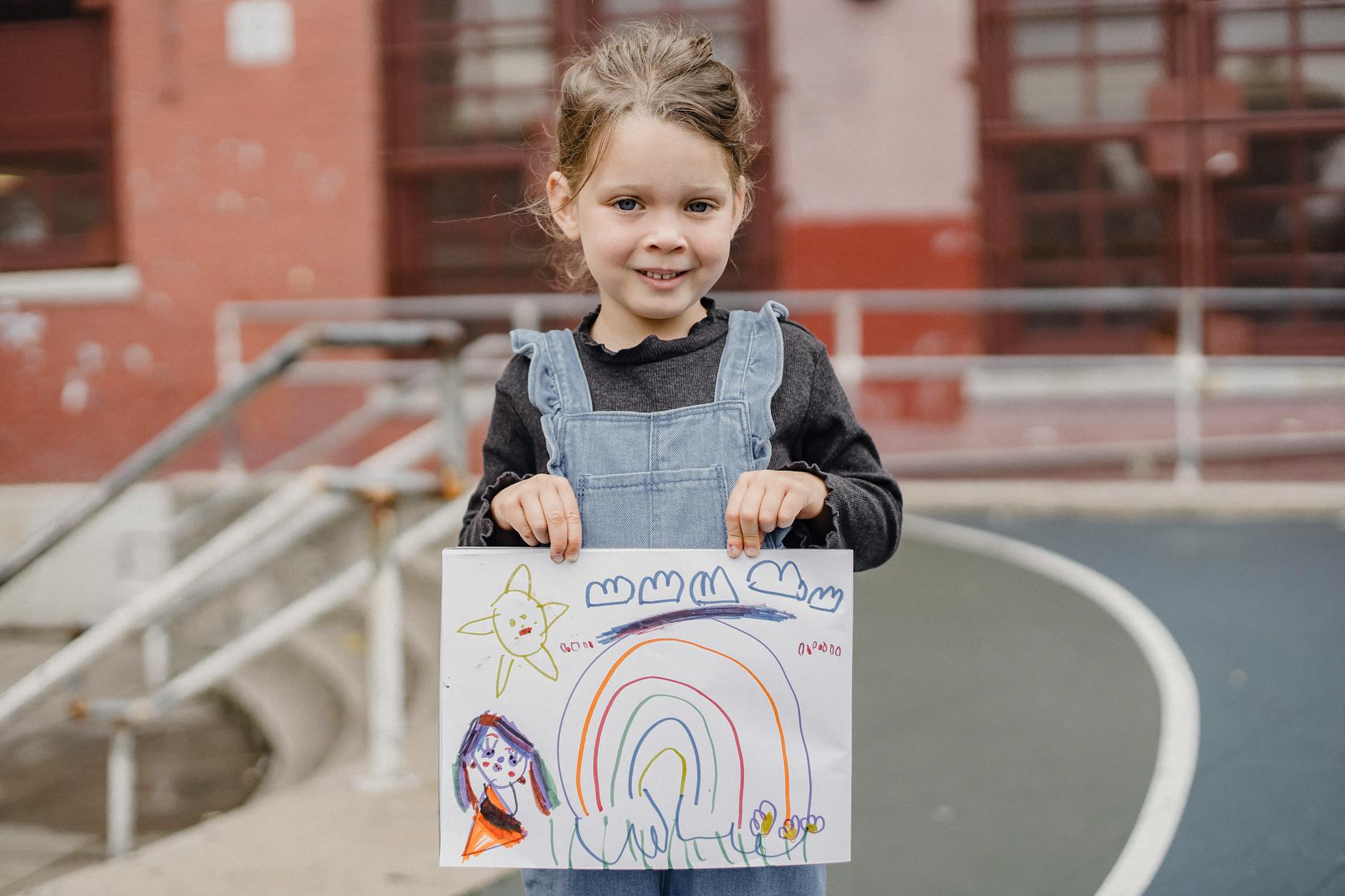
Happy little girl showing colorful drawing (Photo by Allan Mas)

Another significant impact of cognitive flexibility on job performance is its relationship with creative thinking. Creative thinking involves generating new and original ideas, which is a sought-after skill in many industries. Individuals with high cognitive flexibility are more likely to think creatively, as they can quickly switch between different concepts, perspectives, and mental frameworks.

This ability to think creatively enables employees to come up with fresh ideas, innovative solutions, and unique approaches to challenges. It allows them to contribute to problem-solving discussions, propose novel strategies, and contribute to the overall growth and success of their organization. By fostering creative thinking through cognitive flexibility, individuals can unlock their full potential and excel in their job performance.

In conclusion, cognitive flexibility is a valuable asset that significantly impacts job performance. Adaptability to change, problem-solving skills, and creative thinking are all key components of cognitive flexibility that enable individuals to thrive in the workplace. By honing and developing these skills, employees can enhance their job performance, set themselves apart from others, and achieve long-term career success.

The Relationship Between Cognitive Flexibility In The Workplace and Career Success

In today’s fast-paced and ever-changing work environment, cognitive flexibility has become a crucial skill for professional success. Cognitive flexibility refers to the ability to adapt and adjust one’s thinking in response to new situations, challenges, and information. This ability is highly valued by employers as it enables individuals to navigate complex tasks and solve problems effectively. In this section, we will explore the various ways in which cognitive flexibility is closely linked to career success.

Versatility and Multitasking Abilities

One of the key benefits of cognitive flexibility in the workplace is its impact on an individual’s versatility and multitasking abilities. Employees who possess cognitive flexibility can seamlessly switch between different tasks, projects, and roles, demonstrating their ability to handle diverse responsibilities. This versatility not only improves their productivity but also makes them valuable assets to their organizations.

Man and a Woman Discussing Work (Photo by Nataliya Vaitkevich)

Furthermore, cognitive flexibility allows individuals to adapt to changing priorities and deadlines, ensuring that they can successfully manage multiple projects simultaneously. This ability to juggle various responsibilities showcases their efficiency and resourcefulness, making them stand out in a competitive work environment.

Leadership Potential

Cognitive flexibility is also closely associated with leadership potential. Effective leaders are required to make important decisions, inspire their teams, and navigate through uncertain situations. With their ability to think critically and adapt to new circumstances, individuals with high cognitive flexibility are often natural leaders.

Down Angle Photography of Red Clouds and Blue Sky (Photo by eberhard grossgasteiger)

Leaders who possess cognitive flexibility can quickly assess complex situations, identify alternative solutions, and make informed decisions. They are capable of embracing change, fostering innovation, and leading their teams towards success. As a result, these individuals are often entrusted with greater responsibilities and have higher chances of advancing their careers.

Growth and Learning Mindset

A growth and learning mindset is another crucial aspect of career success, and cognitive flexibility plays a significant role in cultivating such a mindset. Individuals with high cognitive flexibility are open to new ideas, perspectives, and feedback, enabling them to continuously learn, grow, and adapt.

Green Grass (Photo by pixmike)

By embracing challenges and seeking opportunities for self-improvement, these individuals are able to expand their skill sets and knowledge base. This continuous learning not only enhances their job performance but also increases their chances of career advancement. Employers recognize and value individuals who are willing to step out of their comfort zones and embrace new experiences.

In conclusion, cognitive flexibility is a key determinant of career success in today’s dynamic workplace. The ability to adapt, multitask, and switch gears quickly enables individuals to excel in their roles, showcase leadership potential, and foster a growth mindset. By developing and honing this skill, professionals can enhance their job performance, increase their opportunities for career growth, and stand out in a competitive job market.

Strategies to Develop Cognitive Flexibility

Cognitive flexibility is a valuable skill that can significantly impact job performance and career success. Being able to adapt to new situations, think creatively, and quickly switch between different tasks is highly sought after by employers. In this section, we will explore three effective strategies to develop cognitive flexibility: embracing new challenges and learning opportunities, seeking diverse perspectives and feedback, and practising mindfulness and stress management.

Embracing New Challenges and Learning Opportunities

One way to enhance cognitive flexibility is by embracing new challenges and actively seeking out learning opportunities. Stepping outside of your comfort zone and taking on tasks that are unfamiliar or slightly outside your expertise can expand your cognitive abilities. It encourages you to think in new ways, adapt to different circumstances, and develop creative problem-solving skills.

By willingly engaging in challenging tasks, you expose yourself to novel situations that require flexible thinking. For example, taking on a project outside of your usual scope of work or volunteering for cross-functional teams can expose you to different perspectives and ways of approaching problems. This exposure helps broaden your cognitive repertoire and enables you to generate innovative solutions.

Seeking Diverse Perspectives and Feedback

Another strategy to develop cognitive flexibility is by actively seeking diverse perspectives and feedback. Engaging with individuals from different backgrounds and experiences can expand your thinking and challenge your existing mental models. By understanding alternative viewpoints, you can develop a more flexible mindset and consider multiple approaches to problem-solving.

Seeking feedback from others is also crucial in enhancing cognitive flexibility. Constructive criticism and different opinions can help you identify blind spots, refine your thinking, and consider alternative solutions. This feedback loop promotes cognitive adaptability and encourages you to continuously refine and improve your ideas and strategies.

Practising Mindfulness and Stress Management

Practising mindfulness and stress management techniques can also contribute to the development of cognitive flexibility. Mindfulness involves being fully present and aware of the current moment, without judgment or attachment. This practice enhances your ability to focus, regulate emotions, and think flexibly.

By cultivating mindfulness, you can train your brain to become more adaptable and resilient in the face of challenges. Mindfulness exercises, such as deep breathing or meditation, can help reduce stress and improve cognitive functioning. When you are less overwhelmed by stress, you are better able to think clearly and flexibly, even in high-pressure situations.

Additionally, stress management techniques, such as time management and self-care, can help create a conducive environment for cognitive flexibility. When you take care of your physical and mental well-being, you are more equipped to handle unexpected changes and adapt to new circumstances.

High angle of crop anonymous person standing in green lawn near wooden table with served plates and natural juices on sunny day (Photo by Rachel Claire)

Incorporating these strategies into your daily routine can help you develop cognitive flexibility, enabling you to thrive in the workplace and enhance your career prospects. By embracing new challenges, seeking diverse perspectives and feedback, and practicing mindfulness and stress management, you can cultivate a flexible mindset that empowers you to think creatively, adapt to change, and excel in your professional endeavors.

Promoting Cognitive Flexibility in the Workplace

In order to enhance cognitive flexibility in the workplace, organizations can implement various strategies that encourage employees to adapt to new challenges and think outside the box. By promoting cognitive flexibility, businesses can foster a dynamic and innovative environment that ultimately leads to greater job performance and career success.

Encouraging Cross-Training and Job Rotation

Side view of cheerful diverse teenage girls doing piggyback ride on sports ground during physical education class (Photo by Mary Taylor)

Cross-training and job rotation are effective approaches to promote cognitive flexibility among employees. When individuals are exposed to different roles and responsibilities within the organization, it expands their knowledge and skills, enabling them to adapt to diverse situations. By encouraging cross-training and job rotation, employees gain a broader perspective, which enhances their ability to think critically, solve problems, and approach tasks from different angles.

Fostering a Culture of Innovation and Experimentation

Planning a Business (Photo by Kindel Media)

Creating a culture of innovation and experimentation is essential for promoting cognitive flexibility. Encouraging employees to explore new ideas, take calculated risks, and challenge traditional methods fosters a mindset of continuous improvement. By providing a safe space for creativity and innovation, organizations empower their employees to think outside the box, embrace change, and adapt to new circumstances. As a result, individuals become more versatile in their thinking and are better equipped to handle complex and ambiguous situations.

Providing Continuous Learning and Development Opportunities

Abc Captcha (Photo by Magda Ehlers)

Offering continuous learning and development opportunities is crucial in promoting cognitive flexibility in the workplace. By providing access to training programs, workshops, and conferences, organizations enable employees to expand their knowledge base and acquire new skills. This exposure to diverse learning experiences enhances cognitive flexibility by broadening employees’ perspectives and enabling them to approach challenges from multiple angles. Moreover, continuous learning keeps employees engaged and motivated, leading to improved job performance and career growth.

In conclusion, promoting cognitive flexibility in the workplace is essential for achieving enhanced job performance and career success. Encouraging cross-training and job rotation, fostering a culture of innovation and experimentation, and providing continuous learning and development opportunities are effective strategies to cultivate cognitive flexibility among employees. By implementing these approaches, organizations can create an environment that embraces change, encourages adaptability, and drives innovation.

Conclusion

In conclusion, cognitive flexibility plays a crucial role in determining job performance and career success in the workplace. The ability to adapt quickly to changing circumstances, think creatively, and switch between different tasks and perspectives is highly valued by employers. Individuals with strong cognitive flexibility are better equipped to handle complex projects, solve problems efficiently, and navigate through the challenges of a rapidly evolving work environment. This adaptive skillset not only enhances productivity but also contributes to personal growth and professional advancement. Therefore, it is essential for individuals to cultivate and harness their cognitive flexibility to thrive in today’s competitive job market.

Developing flexibility as part of your executive function skills is essential for success in both your personal and professional life. As you have learned, flexibility involves the ability to adapt to changes, solve problems, and manage unexpected situations. By practising flexibility, you can improve your decision-making skills and become more resilient in the face of challenges. Remember to stay open to new ideas, be willing to compromise, and remain adaptable in your approach to tasks and situations. With consistent effort and practice, you can strengthen your flexibility and achieve greater success in all areas of your life.

P.S. I provide strategic training on cognitive flexibility in my Power Up course Executive Function Skills Playbook

Remember, EFS is not just about gathering information but also about successful implementation. In order to achieve this, it is important to have a stress management plan, positive self-regard, and a healthy level of self-concept and self-esteem. Without these elements, no amount of training will be effective. That’s why my programs include one-on-one sessions focused on reprogramming subconscious beliefs that may be hindering your progress. DM on Instagram@theruthellen with the word ‘PLAYBOOK’ if you want to ask me questions about whether this programme is a good fit for you.

Embrace the Joy of Missing Out: 10 Ways JOMO Can Revamp Your Weekend Plans [Checklist]

Have you ever felt overwhelmed by the constant need to be everywhere and do everything, just so you don’t miss out on anything? The Fear Of Missing Out (FOMO) has a way of creeping into our weekends, leaving us exhausted and unsatisfied.

But what if I told you there’s a different approach, a way to reclaim your time and enjoy your days off to the fullest? Enter JOMO – the Joy Of Missing Out. Embracing JOMO means choosing quality over quantity, peace over chaos, and contentment over comparison.

In this post, we’ll explore how practising JOMO can transform your weekend plans, leaving you refreshed, rejuvenated, and ready to tackle the week ahead. So, grab a cup of your favourite drink, get comfy, and let’s dive into the world of JOMO together.

What My JOMO Life Looks Like

Living a JOMO (Joy Of Missing Out) life has transformed the way I approach my weekends. Embracing JOMO has allowed me to appreciate the beauty of simplicity and the importance of self-care. Here is a glimpse into what my JOMO life looks like:

Embracing Slow Mornings

Rather than rushing to start my day, I begin with a slow morning routine that includes sipping on a warm cup of coffee, journaling my thoughts, and enjoying the calm before the day picks up its pace. This leisurely start sets a positive tone for the rest of the day.

Engaging in Mindful Activities

I dedicate time to engage in activities that nourish my soul and bring me joy. Whether it’s reading a good book, going for a peaceful walk in nature, or practising yoga, these mindful activities help me disconnect from the noise of the world and reconnect with myself.

Cultivating Meaningful Connections

Instead of filling my schedule with numerous social events, I focus on cultivating meaningful connections with loved ones. Spending quality time with friends and family in intimate settings allows for deeper conversations and genuine moments of connection.

Unplugging from Technology

One of the key aspects of my JOMO life is the deliberate decision to unplug from technology periodically. By disconnecting from screens and notifications, I create space for relaxation, creativity, and genuine human interactions.

Appreciating the Present Moment

JOMO has taught me the art of being present and fully immersing myself in the moment. I take time to appreciate the simple pleasures around me, whether it’s the beauty of a sunset, the taste of a home-cooked meal, or the laughter shared with loved ones.

Prioritising Self-Care

Self-care is a non-negotiable part of my JOMO lifestyle. I make time to nourish my body, mind, and soul through activities that replenish my energy and promote overall well-being. Whether it’s a soothing bath, a meditation session, or a creative outlet, self-care is paramount.

Reflecting and Gratitude

At the end of each day, I take a moment to reflect on the experiences and moments that brought me joy. Practising gratitude helps me cultivate a positive mindset and appreciate the little blessings in life that often go unnoticed.

Embracing a JOMO lifestyle has transformed my weekends into a time of peace, rejuvenation, and genuine connection. By prioritising moments of joy, self-care, and mindfulness, I have found a sense of contentment and fulfilment that enriches every aspect of my life.

Crop faceless woman working on netbook in office Photo by Karolina Grabowska

Here is your own JOMO checklist [no opt-in required]

1. Unplug and Reconnect with Yourself

In today’s fast-paced digital world, taking a break from constant connectivity is crucial to reconnecting with oneself and finding inner peace. By unplugging from devices and technology, you can rediscover personal interests, enhance mindfulness, and enjoy a more fulfilling weekend.

2. Digital Detox: Setting Boundaries

One effective way to unplug and reconnect with yourself is by setting boundaries for screen time during the weekends. Creating tech-free zones in your home can provide a peaceful oasis where you can unwind and focus on activities that bring you joy. Consider implementing designated times for checking emails and social media to prevent distractions and fully immerse yourself in moments of tranquillity.

3. Mindful Practices for Inner Peace

Practising mindfulness techniques like meditation and deep breathing exercises can significantly contribute to your well-being during weekends. Taking a few moments each day to sit quietly, focus on your breath, and let go of stressors can help you achieve inner calm and relaxation. Engaging in mindful activities allows you to cultivate a deeper connection with yourself and appreciate the present moment without the constant buzz of technology.

Three women standing together in a room Photo by Aleksandar Andreev

4. Savour the Simple Pleasures

Appreciating life’s simple pleasures can truly elevate your weekend experiences. Let’s explore two fantastic ways to embrace these moments:

Nature Escapes: Embracing the Outdoors

Spending time in nature offers a myriad of benefits for both our physical and mental well-being. The fresh air, soothing sounds, and vibrant surroundings can rejuvenate the spirit and provide a much-needed break from the hustle and bustle of daily life. Consider planning weekend getaways to natural settings such as parks, forests, or beaches. Engage in outdoor activities like hiking, picnicking, or simply basking in the beauty of your surroundings. Nature has a way of grounding us and helping us find peace in the present moment.

Man with Backpack Standing on Rock Photo by Czapp Árpád

Culinary Adventures: Cooking with Love

Exploring culinary delights can also be a delightful way to savour the weekend. Try experimenting with new recipes using fresh, seasonal ingredients. Visit local markets to gather unique produce and immerse yourself in the vibrant food scene. Consider hosting a relaxed dinner with friends or family, where you can share delicious meals and create lasting memories together. Cooking with love and sharing a meal is a wonderful way to bond and enjoy the simple pleasures of life.

Baked Pizza on Pizza Peel in Oven Photo by Eneida Nieves

5. Embrace ‘Me Time’ without Guilt

Taking time for yourself is crucial for your overall well-being. Embracing ‘me time’ without guilt allows you to recharge and be more present in all aspects of your life. Here are some ways to make the most of your alone time:

Wellness Rituals: Pamper Your Body and Mind

Indulge in self-care activities that nurture both your body and mind. Consider having at-home spa days where you can relax with a bubble bath, facial masks, and soothing music. Engaging in yoga sessions not only benefits your physical health but also promotes mental clarity and relaxation. Journaling is another therapeutic practice that can help you reflect, express your thoughts, and boost your self-awareness. Prioritising these wellness rituals can enhance your weekend and set a positive tone for the week ahead.

Woman Painting Her Nails Photo by Karolina Grabowska

7. Learning for Leisure: Feed Your Curiosity

Use your free time to engage in activities that ignite your curiosity and passion. Explore hobbies that you’ve always been interested in, such as painting, photography, or gardening. Learning new skills can be both fun and rewarding – consider enrolling in online courses, trying out DIY projects, or delving into creative pursuits like writing or crafting. By feeding your curiosity during the weekend, you not only relax but also stimulate your mind and foster personal growth.

By prioritising ‘me time’ and engaging in activities that promote self-care and personal growth, you can rejuvenate your spirit and approach the upcoming week with renewed energy and focus. So go ahead, indulge in activities that bring you joy and fulfilment – you deserve it!

8. Connect Meaningfully with Loved Ones

Building strong connections with loved ones is essential for fostering happy and fulfilling relationships. Spending quality time with family and friends not only creates cherished memories but also strengthens the bond you share. Here are some engaging ways to connect meaningfully with your loved ones:

Bonding Activities: Foster Stronger Connections

Organising interactive games, movie nights, or group activities can be a fantastic way to bond with your loved ones. Whether it’s a game of charades, a movie marathon, or a fun outdoor adventure, these activities create opportunities for laughter, teamwork, and shared experiences. Strengthening the bond through engaging activities helps cultivate deeper connections and create lasting memories together.

Boy acting out charade word while playing with friends and family around backyard bonfire at night
Photo by Askar Abayev

Gratitude Practices: Share Appreciation

Expressing gratitude towards your loved ones is a powerful way to strengthen your relationships. Whether it’s through heartfelt gestures, thoughtful notes, or simply spending quality time together, showing appreciation can have a profound impact on the bond you share. Acknowledging the importance of those around you and expressing your gratitude can deepen connections and foster a sense of closeness within your relationships.

9. Plan for Spontaneity and Flexibility

When it comes to transforming your weekend plans with the essence of JOMO, it’s crucial to embrace the unexpected and welcome spontaneity alongside your structured checklist. By leaving room for unforeseen adventures, you open yourself up to a world of exciting possibilities and enriching experiences that can add a whole new dimension to your downtime.

Openness to Unexpected Opportunities:

Being open to unexpected opportunities means being willing to step out of your comfort zone and explore new horizons. Whether it’s trying out a new cuisine at a local food festival or joining a spontaneous hike with friends, these moments often lead to exciting discoveries and personal growth. Embrace the unknown and watch how it can brighten up your weekend with unexpected joys.

10. Adapting Plans: Embracing Change with Positivity:

Flexibility is key to making the most of your weekends. Learning to adapt to changing circumstances with a positive mindset can turn a potentially stressful situation into a new and rewarding experience. Embrace the benefits of flexibility and resilience by viewing changes as opportunities for growth rather than obstacles. Remember, a change in plans can sometimes lead to the best memories.

Unplanned moments have the potential to become cherished memories and tales you’ll recount with a smile. So, as you draft your weekend plans, remember to leave room for spontaneity and unexpected adventures to enhance your JOMO experience. After all, the magic often lies in the unplanned detours of life’s journey.

Balloons Over Waikato Photo by Petra Riddell

Conclusion

So, there you have it – 10 ways JOMO can transform your weekend plans into a blissful retreat of joy and relaxation. By embracing the Joy Of Missing Out, you’re not just saying yes to yourself, but also prioritising what truly matters – your happiness and well-being.

Take a break from the hustle and bustle, and start saying no to unnecessary stress and anxiety. Instead, say yes to moments of peace, meaningful connections, and self-care. Shift your perspective from FOMO to JOMO, and watch how your weekends become the highlight of your week.

Remember, it’s not about what you’re missing out on, but what you’re gaining by choosing to be present and fully enjoy the moments that truly matter. So, this weekend, why not give JOMO a try? Your future self will thank you for it.

Here is your own JOMO checklist [no opt-in required]

100 ADHD Journal Prompts to Gamify Your Life

Gamifying your life can be a game-changer, especially when it comes to managing ADHD. By turning tasks into challenges and setting rewards for yourself, you can make everyday activities more engaging and enjoyable. This approach can boost motivation, focus, and productivity while also providing a sense of accomplishment and fun.

Getting Started with ADHD Journal Prompts

Embarking on a journey with ADHD journal prompts can be a game-changer in managing your daily life. Setting up a conducive journaling environment is crucial for individuals with ADHD to engage effectively. With the right strategies and motivation, journaling can become a powerful tool for self-reflection and growth.

Setting Up Your Journal for Success

Creating a dedicated space for journaling can significantly impact your experience. Find a quiet and comfortable spot where you can focus without distractions. Personalize your journal with colours, stickers, or drawings to make it visually appealing and stimulating for your ADHD brain. Keep your journal and writing supplies in one place to establish a routine and make journaling a habit.

Person Writing On A Notebook Beside Macbook Photo by Judit Peter

100 ADHD Journal Prompts

  1. Why Gamify? Reflect on how turning tasks into a game might make daily life more engaging for you.
  2. Personal Motivators: Identify which game mechanics (points, levels, rewards) motivate you the most and why.
  3. Design Your Game: Envision your life as a game. What genre is it, and what are the key objectives?
  4. Character Strengths: List your personal strengths as if they were character stats (e.g., creativity, stamina). How can you level these up?
  5. Identify Challenges: What daily tasks or goals feel like ‘boss battles’? How can you make them more manageable?
  6. Craft Your Avatar: Draw or describe your ideal avatar. How does it represent your goals and personality?

Setting Up the Game

  1. Choose Your Quests: Break down your goals into small, achievable quests. What’s your quest for today?
  2. Build Your Inventory: What tools or resources do you need to complete your quests? How can you acquire them?
  3. Map Your World: Sketch a map of your life’s game world. Include places where quests take place and where allies can be found.
  4. Identify Side Quests: What smaller, optional tasks can add fun and variety to your routine?
  5. Create a Reward System: Design rewards for completing tasks and achieving goals. What rewards would motivate you?
  6. Develop a Skill Tree: What skills do you want to learn or improve? Create a skill tree with branches for different areas of growth.

Daily Gameplay

  1. Log Daily Quests: What are your quests for today? How do they contribute to your larger game?
  2. Track Progress: Create a system to track your progress. How will you know when you level up?
  3. Find Allies: Who in your life can act as allies or mentors? How can they support your journey?
  4. Discover Power-Ups: Identify activities or habits that boost your energy or focus. How can you incorporate them daily?
  5. Crafting and Resources: What can you create or gather today that will help you in your quests?
  6. Dungeon Crawls: Tackle a challenging task. Break it down into smaller ‘rooms’ or stages.

Overcoming Challenges

  1. Boss Fight Strategies: Plan a strategy for a current ‘boss fight’ (a big challenge). What are its weaknesses?
  2. Potion Crafting: Invent ‘potions’ (quick fixes) for common problems, like lack of focus or motivation.
  3. Facing Setbacks: How can you ‘respawn’ after a setback? What did you learn from the experience?
  4. Stealth Missions: How can you navigate a difficult situation with minimal stress or confrontation?
  5. Gathering Intelligence: Research a task or goal. How can your new knowledge help you advance?

Exploration and Adventure

  1. New Territories: What new skills or hobbies would you like to explore? How can you start?
  2. Treasure Hunts: Set up a treasure hunt for yourself with rewards for completing tasks or goals.
  3. World Events: Participate in a new activity or event. How does it add to your game experience?
  4. Mini-Games: Create a mini-game for a mundane task. How does it make the task more enjoyable?

Social Interaction

  1. Forming Parties: Who would you like to team up with for a particular quest or goal?
  2. Trading Items: What skills or resources can you trade with others to help each other out?
  3. Guilds and Communities: Are there groups or communities you can join that share your goals or interests?

Levelling Up

  1. Achievement Unlocks: What achievements have you unlocked recently? How did you celebrate?
  2. Skill Mastery: Reflect on a skill you’ve improved. How did you achieve mastery?
  3. Level-Up Rewards: What rewards do you give yourself for leveling up in life or in your skills?

Reflection and Growth

  1. Game Review: Periodically review your life game. What’s working, and what needs adjustment?
  2. Character Evolution: How has your avatar grown or changed? Reflect on your personal growth.
  3. Epic Wins: Describe a recent ‘epic win’ in your life. What made it significant?

Advanced Gameplay

  1. Crafting Epic Gear: What habits or tools could be your ‘epic gear’ for enhancing your life?
  2. Legendary Quests: Define a long-term, ‘legendary quest’ you’re working towards. What are the milestones?
  3. Heroic Acts: How can you make a positive impact on others through your actions?

Fun and Creativity

  1. Design a Mini-Game: Create a mini-game for a specific task. How does it transform the experience?
  2. In-Game Photography: Capture moments of success or beauty in your daily life. How do they add to your story?
  3. Character Diaries: Keep a diary from your avatar’s perspective. What adventures did they have today?

Reflecting on the Journey

  1. Quest Logs: Keep detailed logs of your quests. What stories do they tell?
  2. Maps and Charts: Create maps or charts of your progress. How do they visualize your journey?
  3. Game Mechanics: Reflect on the game mechanics you’ve used. What enhances your motivation the most?

Gamification Theory

  1. Reward Schedules: Explore different types of reward schedules (fixed, variable). What works best for you?
  2. Feedback Loops: How can you create positive feedback loops in your life game?
  3. Increasing Difficulty: How can you gradually increase the difficulty of your tasks to match your growing skills?

Personalization

  1. Customizing Your Game: How can you further personalize your life game to match your interests and needs?
  2. Avatar Upgrades: Plan upgrades for your avatar based on your achievements and growth.

Advanced Strategies

  1. Strategic Play: Reflect on your strategic decisions. What were the outcomes?
  2. Optimization: How can you optimize your gameplay for efficiency and fun?
  3. Challenge Modes: Introduce ‘challenge modes’ for routine tasks. How do they change the experience?

Mastery and Beyond

  1. Mastering the Game: What does ‘mastering the game’ of your life look like? How can you achieve it?
  2. Epic Narratives: Craft a narrative around your life game. What epic story does it tell?
  3. Beyond the Game: How does gamifying your life impact your real-world achievements and happiness?

Innovating Your Game

  1. New Game+: If you could restart your game with all your current knowledge, what would you do differently?
  2. Game Expansion Packs: Plan ‘expansion packs’ for your life game. What new areas and quests will they include?
  3. Cross-Play: How can you incorporate elements from other ‘games’ (people’s strategies) into your own?

Reflecting on the Meta

  1. The Meta-Game: Reflect on the game of gamifying your life. How has it changed your approach to tasks and goals?
  2. Player vs. Environment: How do you navigate the ‘environment’ of your life? What strategies do you use?
  3. Player vs. Player: How do you handle competition or cooperation with others in your life game?

Celebrating the Game

  1. Victory Celebrations: Plan celebrations for small victories and major achievements. What makes them special?
  2. Sharing Your Story: How can you share the story of your game with others? What might they learn from it?
  3. Gratitude for the Game: Express gratitude for the game of life. What are you most thankful for?

Game Theory in Life

  1. Analyzing Game Theory: How can principles of game theory be applied to decision-making in your life?
  2. Risk vs. Reward: Analyze situations in your life in terms of risk and reward. How do you balance them?

Enhancing the Experience

  1. Enhanced Graphics: How can you make your environment more vibrant and engaging?
  2. Soundtrack for Life: Create a soundtrack for your life game. What songs inspire you?
  3. Immersive Gameplay: What changes can make your daily life feel more immersive and engaging?

Facing the Final Boss

  1. Final Boss Preparation: What is the ‘final boss’ you’re currently preparing to face? How are you getting ready?
  2. Epic Battles: Reflect on an epic battle (challenge) you’ve faced. How did you emerge victorious?

Legacy and Influence

  1. Leaving a Legacy: What legacy do you want to leave through your life game? How can you achieve it?
  2. Influencing Others: How can your gameplay inspire or influence others in their own games?

Continuous Improvement

  1. Patch Updates: Consider what ‘patch updates’ (life changes) you can make to improve your game.
  2. Beta Testing: How can you ‘beta test’ new strategies or habits before fully implementing them?

Game Design

  1. Creating Your Game: If you were to create a game based on your life, what features would it have?
  2. Learning from Games: What have you learned from playing video games that you can apply to your life game?

The Future of Your Game

  1. Future Expansions: Imagine future expansions of your life game. What adventures lie ahead?
  2. Next Level: What does the next level in your life look like? How can you reach it?

Celebrating the Community

  1. Community Events: Plan or participate in community events. How do they enrich your game?
  2. Supporting Fellow Players: How can you support others in their life games?

Reflecting on the Philosophy

  1. The Philosophy of Gaming: Reflect on how gaming philosophy can influence life perspectives and decisions.
  2. Life as an RPG: How does viewing life as an RPG change your approach to challenges and opportunities?

Embracing the Adventure

  1. Adventure Awaits: Identify new adventures you want to embark on. What quests will they lead to?
  2. The Spirit of Exploration: How does a spirit of exploration help you discover new passions and goals?

The Game of Life

  1. Life’s Game Mechanics: Identify which mechanics from games (e.g., turn-taking, resource management) apply to your life.
  2. Playing to Win: What does it mean to ‘play to win’ in the game of life?

Achievements and Milestones

  1. Celebrating Achievements: How can you celebrate achievements in a way that reflects your game’s theme?
  2. Setting Milestones: How can setting milestones help you track progress in your life game?

Strategy and Tactics

  1. Strategic Alliances: How can forming strategic alliances help you advance in your game?
  2. Tactical Retreats: When is it wise to retreat and regroup in your life game?

The Endgame

  1. Planning the Endgame: What does your endgame look like, and how are you planning for it?
  2. The Ultimate Achievement: What is the ultimate achievement in your life game?

Reflection and Legacy

  1. Reflecting on Journeys: Reflect on the journeys you’ve undertaken in your game. What have you learned?
  2. Building a Legacy: How can your game help you build a legacy?

Innovation and Change

  1. Innovating Your Strategies: How can you innovate your strategies to overcome new challenges?
  2. Embracing Change: How does embracing change keep your game interesting and dynamic?

The Final Reflection

  1. The Final Level: Imagine reaching the final level of your life game. What does it look like?
  2. Game Over: Reflect on the concept of ‘game over.’ How do you want to look back on your game?

These prompts are designed to help you explore the concept of gamifying life, offering a structured yet flexible framework for enhancing motivation, productivity, and satisfaction. By engaging with these prompts, you can discover new strategies for managing ADHD, achieving goals, and making daily life more enjoyable and fulfilling.

Maintaining Consistency and Long-Term Engagement

Consistency is key when it comes to successful journaling. Developing a routine that works for you is essential for maintaining a sustainable journaling practice that keeps you engaged in the long term.

Developing a Routine That Works for You

To establish a sustainable journaling routine tailored to your individual needs, start by finding a time of day that suits you best. Whether it’s first thing in the morning to set intentions for the day or in the evening to reflect on your experiences, choosing a consistent time will help make journaling a habit.

Consider the format that appeals to you the most, whether it’s a traditional pen and paper journal, a digital journaling app, or a combination of both. Experiment with different styles to find what resonates with you and keeps you motivated to write consistently.

Setting realistic goals for your journaling practice can also help maintain consistency. Start small and gradually increase the frequency or length of your entries as you become more comfortable with the process. Celebrate your progress along the way to stay motivated and engaged.

Overcoming Challenges and Staying Motivated

Overcoming challenges in journaling, such as writer’s block or lack of inspiration, is a common hurdle. To combat this, try prompts and exercises to spark creativity and keep your entries fresh. Consider using prompts related to your daily experiences, emotions, goals, or dreams to keep your journaling engaging.

Staying motivated can be easier with the support of a journaling community. Join online groups, forums, or workshops where you can share your progress, exchange ideas, and gain inspiration from others. Connecting with like-minded individuals can help boost your motivation and accountability in maintaining a consistent journaling practice.

Incorporating visual elements like doodles, photos, or stickers in your journal can make the process more enjoyable and visually appealing. Personalising your entries can make them more meaningful and encourage you to continue journaling over the long term.

Remember, journaling is a personal journey, and it’s okay to adapt your routine and approach as you go along. Stay flexible, be kind to yourself, and enjoy the process of self-discovery through writing in your journal.

Photo by Jess Bailey Designs
Closeup Photo of Journal Book and Pencils

Purchase My Rejection Sensitivity Journal for ADHD

Gamifying your life can be a powerful tool for managing ADHD. By turning tasks and challenges into a game, you can increase motivation, engagement, and productivity. One effective way to gamify your experience is through journaling. A rejection sensitivity journal specifically designed for individuals with ADHD can provide a structured format for processing emotions and enhancing self-awareness.

The Rejection Sensitivity Journal for ADHD

Understanding Rejection Sensitivity

Rejection sensitivity is a common trait among individuals with ADHD. It involves an intense fear of rejection, criticism, or failure, leading to heightened emotional responses in social situations. This can impact self-esteem, relationships, and overall well-being. A rejection sensitivity journal can help individuals with ADHD explore and manage these emotions in a constructive way.

Benefits of Journaling

Journaling is a therapeutic practice that encourages self-reflection and emotional regulation. By expressing thoughts and feelings on paper, individuals can gain clarity, identify patterns, and track progress over time. A rejection sensitivity journal provides prompts and exercises tailored to address specific challenges related to rejection sensitivity, helping individuals develop coping strategies and build resilience.

How My Journal Can Help

Purchase My Rejection Sensitivity Journal for ADHD offers a structured approach to navigating rejection sensitivity. With carefully crafted prompts and exercises, this journal guides users through self-exploration, emotional processing, and behaviour modification. By engaging with the journal regularly, individuals can cultivate a deeper understanding of their triggers, responses, and coping mechanisms, empowering them to navigate social interactions with greater confidence and resilience.

Gold Iphone 7 on Top of Book Beside Macbook Photo by Jessica Lewis ? thepaintedsquare

Conclusion

In conclusion, gamifying your life with ADHD journal prompts is a powerful tool to boost productivity, creativity, and self-awareness. By turning mundane tasks into engaging challenges, you can transform your daily routines into exciting adventures. Embracing the playful spirit of gamification not only makes tackling tasks more enjoyable but also helps in staying focused and motivated. With these 100 ADHD journal prompts, you have a treasure trove of opportunities to level up your life and unlock your full potential. So, grab your journal, let the games begin, and watch as your life transforms into a thrilling quest of self-discovery and growth.

The Ultimate Guide to 20 Self-Soothing Techniques: How to Calm Your Mind and Nurture Your Soul

Are you feeling overwhelmed by stress and anxiety? Seeking ways to calm your mind and soothe your soul? You’re not alone. In today’s fast-paced world, it’s vital to equip yourself with effective self-soothing techniques to navigate through life’s challenges.

Imagine having a toolkit of over 20 diverse self-soothing methods at your disposal, ready to help you find tranquillity whenever you need it. From simple breathing exercises to sensory experiences and mindfulness practices, these techniques can be the antidote to a hectic day.

Research shows that self-soothing techniques play a crucial role in regulating emotions and enhancing mental well-being. By incorporating these strategies into your daily routine, you can cultivate a sense of calm and resilience, empowering yourself to face whatever comes your way with a renewed sense of balance.

Whether you’re new to self-soothing or looking to expand your repertoire, this ultimate guide is your gateway to exploring the wide array of techniques available. Dive in, discover what works best for you, and embark on a journey towards greater inner peace and emotional harmony.

What are self-soothing techniques?

Self-soothing techniques are practices that individuals can use to manage their emotions, reduce stress, and comfort themselves during challenging situations. These techniques can help enhance emotional well-being and promote a sense of calm and relaxation. By incorporating self-soothing techniques into daily routines, individuals can improve their overall mental health and coping mechanisms.

Understanding the Importance of Self-Soothing Techniques

Self-soothing techniques play a vital role in regulating emotions and promoting self-care. They enable individuals to connect with their emotions, acknowledge their feelings, and respond to them in a healthy manner. These techniques empower individuals to take control of their emotional state and navigate through difficult situations with resilience.

Types of Self-Soothing Techniques

  1. Deep Breathing: Practising deep breathing exercises can help calm the mind and body, reducing stress and anxiety levels.
  2. Mindfulness Meditation: Engaging in mindfulness meditation can promote self-awareness and presence in the moment, fostering a sense of inner peace.
  3. Progressive Muscle Relaxation: This technique involves systematically tensing and relaxing different muscle groups to release physical tension and promote relaxation.
  4. Aromatherapy: Using essential oils and fragrances can have a soothing effect on the mind and body, enhancing relaxation and mood.
  5. Physical Exercise: Regular physical activity releases endorphins, the body’s natural mood lifters, promoting emotional well-being.

Incorporating Self-Soothing Techniques into Daily Routine

Integrating self-soothing techniques into daily life can have profound benefits for mental health and overall well-being. By making these practices a part of your routine, you can effectively manage stress, regulate emotions, and cultivate a greater sense of inner peace.

Photo by Anton Belitskiy
Two Men Practicing Aikido

What is the difference between self soothing and self care?

Self-care and self-soothing are both important practices that contribute to our overall well-being. While they may seem similar, there are distinct differences between the two approaches that can impact how we cope with stress and manage our emotions.

Self Care

Self-care involves taking intentional actions to nurture and care for your physical, emotional, and mental health. It encompasses a broad range of activities that help you recharge and maintain balance in your life. Engaging in self-care practices such as exercise, healthy eating, getting enough sleep, and setting boundaries can boost your overall wellness.

Self Soothing

On the other hand, self-soothing focuses on immediate emotional relief and comfort in moments of distress or discomfort. It consists of calming activities or techniques that help regulate emotions and reduce stress in the present moment. Examples of self-soothing practices include deep breathing exercises, listening to music, taking a warm bath, or engaging in creative activities like drawing or writing.

Understanding the distinction between self-care and self-soothing is essential for developing a holistic approach to managing your well-being. While self-care fosters long-term resilience and self-preservation, self-soothing offers immediate relief during stressful situations. By incorporating both practices into your routine, you can cultivate a more balanced and sustainable lifestyle that supports your mental and emotional health.

The Power of Self-Soothing Techniques

Self-soothing techniques play a crucial role in managing our daily stresses and emotions. These practices enable individuals to find a sense of calm and relaxation amidst life’s chaos.

Breathing Techniques

One effective method to promote relaxation and reduce tension is through deep breathing exercises. The 4-7-8 breathing technique involves inhaling for 4 seconds, holding the breath for 7 seconds, and exhaling for 8 seconds. This practice helps lower stress levels, allowing for a tranquil state of mind.

Free stock photo of active lifestyle Photo by Mikhail Nilov

Progressive Muscle Relaxation

Progressive muscle relaxation is a method where you tense and then relax each muscle group in your body systematically. This technique aids in releasing physical tension, calming the mind, and promoting an overall sense of well-being. By practising this, individuals can feel more at ease and revitalised.

Man Doing Hand Stand Photo by Pixabay

Visualisation and Guided Imagery

Visualisation and guided imagery involve creating vivid mental images to evoke feelings of peace and serenity. By visualising a tranquil place or engaging in guided imagery sessions, one can escape into a peaceful mental space, reducing stress and promoting relaxation. This technique offers a powerful tool for finding inner calm in the midst of life’s challenges.

Close-Up Shot of a Light Bulb Photo by Rostislav Uzunov

Self-soothing techniques provide individuals with practical tools to navigate stress, anxiety, and overwhelming emotions. Incorporating these methods into daily routines can lead to a more balanced and harmonious life.

Engaging the Senses for Soothing

When it comes to self-soothing, engaging our senses plays a crucial role in creating a calming and stress-relieving environment. Let’s explore how different sensory experiences can help us unwind and find peace in the midst of life’s chaos.

Soothing Sounds and Music

Calming music, gentle nature sounds, or even white noise can work wonders in creating a serene atmosphere and lowering stress levels. The rhythmic sounds can help drown out external disturbances and create a peaceful inner space for relaxation.

Image of women training in modern fitness studio Photo by Andrea Piacquadio

Aromatherapy and Scents

Scents like lavender, chamomile, or citrus have the power to trigger relaxation responses in our brains, easing stress and promoting a sense of calm. Aromatherapy can be a delightful way to uplift spirits and create a soothing environment.

Image of bottle with cork lid Photo by Mareefe

Tactile Methods

Engaging in tactile activities such as squeezing stress balls, feeling textured objects, or luxuriating in a warm bath can bring about physical relaxation and mental peace. These simple actions can help release tension and promote a sense of well-being.

Visual Delights

Visual stimuli like calming images, serene nature scenes, or beautiful artwork can evoke positive emotions and contribute to a feeling of tranquillity. Surrounding yourself with visually pleasing elements can positively impact your mood and overall well-being.

Immerse yourself in a sensory experience that speaks to your soul and allows you to connect with the present moment. Engaging your senses can be a powerful tool in your self-soothing toolkit, helping you find moments of peace and calm in the midst of life’s hustle and bustle.

Mindfulness and Meditation Practices

In a world filled with hustle and bustle, finding moments of peace and calm becomes essential for our well-being. Mindfulness and meditation are powerful practices known to soothe the mind and body, offering a sanctuary amidst life’s chaos. These techniques cultivate a sense of awareness, enabling us to be fully present in the here and now. Let’s delve into some mindfulness and meditation practices that can anchor you in serenity.

Mindful Breathing

Mindful breathing is a cornerstone of mindfulness meditation, emphasising the act of focusing on your breath to centre your attention on the present moment. By tuning in to the rhythmic inhalation and exhalation of your breath, you can alleviate racing thoughts and quieten the mind’s chatter. This practice acts as a gentle reminder to stay grounded and embrace the tranquillity of now.

Body Scan Meditation

Embark on a journey of relaxation with body scan meditation, where you systematically direct your attention to different parts of your body, from head to toe. By bringing awareness to each body region, you can release pent-up tension and foster a profound sense of calmness. This practice encourages you to listen to your body’s whispers and invites you to let go of stress residing within.

Woman Unrolling A Yoga Mat Photo by Mikhail Nilov

Walking Meditation

Step into the realm of walking meditation, a practice that marries movement with mindfulness. As you walk at a gentle pace, immerse yourself in the sensations of each step and the surrounding environment. By embracing the rhythm of your walk, you can ground yourself in the present moment and cultivate a deep sense of inner peace. Walking meditation offers a unique opportunity to connect with nature and your inner self, fostering a harmonious balance between mind and body.

Mindfulness and meditation serve as potent tools in your self-soothing arsenal, allowing you to cultivate a profound sense of tranquillity and presence. Embrace these practices with an open heart and a willing spirit, and witness the transformative power they hold in nurturing your well-being.

Creative and Expression-Based Techniques

Engaging in creative activities and expressive outlets can be powerful tools for self-soothing, offering individuals of all ages ways to process emotions and enhance well-being. Let’s explore some creative techniques that can nurture self-expression and emotional release:

Art Therapy

Art therapy harnesses the healing power of creativity to help individuals explore and express their emotions in a safe and supportive environment. Through various artistic mediums such as painting, drawing, or sculpting, individuals can externalize their feelings and thoughts, gaining insights into their inner world. Art therapy promotes self-awareness, stress relief, and emotional healing by allowing individuals to communicate non-verbally and tap into their subconscious minds.

Journaling and Writing

Journaling and writing serve as valuable tools for self-reflection, emotional processing, and enhancing self-awareness. By putting thoughts and feelings onto paper, individuals can gain clarity, identify patterns, and track their emotional journey over time. Writing can be a cathartic release, helping individuals release pent-up emotions and gain a deeper understanding of themselves. Whether through creative writing, poetry, or personal journaling, the act of writing can be a transformative and empowering practice.

Dance and Movement

Dance and movement provide unique outlets for emotional expression, stress release, and personal empowerment. Moving the body rhythmically can help individuals release tension, access buried emotions, and promote a sense of liberation. Dance therapy embraces the mind-body connection, allowing individuals to express themselves through movement, connect with their bodies, and cultivate a sense of well-being. Whether through spontaneous dancing or structured movement exercises, engaging in dance can be a transformative and joyful experience.

Capture the essence of your emotions through art, writing, or movement to embark on a journey of self-discovery and emotional growth. These creative practices offer pathways to self-soothing and self-expression, allowing you to explore the depths of your inner world in a meaningful and enriching way.

Photo by Thirdman
Enjoy Life Text On Green Tiles With Black Background

Incorporating Nature and Outdoor Activities

Spending time in nature can have a profound impact on our emotional well-being, offering a natural way to soothe the mind and alleviate stress. Let’s explore how incorporating nature and outdoor activities into your routine can contribute to a sense of calm and relaxation.

Nature Walks and Forest Bathing

Taking a leisurely stroll through a natural setting or engaging in the Japanese practice of forest bathing, known as “Shinrin-Yoku,” can be incredibly beneficial for both mental and physical health. The sights, sounds, and scents of the natural world can help quiet a racing mind, reduce anxiety levels, and promote a greater sense of peace.

Benefits of Nature Walks and Forest Bathing:

  • Immersing yourself in nature can lower cortisol levels, the stress hormone, leading to a sense of tranquillity.
  • Nature walks promote mindfulness, encouraging you to be present in the moment and appreciate the beauty around you.
  • The green surroundings and fresh air can boost mood and energy levels, offering a welcome break from daily stressors.

Outdoor Yoga or Tai Chi

Practising yoga or tai chi outdoors combines the benefits of movement, mindfulness, and nature, creating a holistic experience for your well-being. These gentle practices can help centre your mind, improve flexibility, and enhance relaxation in a serene outdoor environment.

Calming Effects of Outdoor Yoga and Tai Chi:

  • Yoga poses or tai chi movements done outdoors can deepen your connection with nature and promote a sense of grounding.
  • The rhythmic breathing and flowing movements can help release tension and bring about a feeling of inner peace.
  • Being outside allows you to absorb Vitamin D from sunlight, which can elevate mood and support overall emotional balance.

Let the tranquillity of nature be your guide as you explore the restorative power of outdoor activities. How will you incorporate the healing energy of the outdoors into your self-care routine today?

A man and a Woman Meditating Photo by Kampus Production

Social Support and Connection Techniques

The importance of social connections in self-soothing cannot be overstated. Seeking support from others and nurturing relationships are fundamental aspects of emotional well-being. Let’s explore some techniques that can help you find comfort in social support and connections.

Emotional Validation

Emotional validation plays a significant role in self-soothing. When you share your feelings with a trusted individual, it can bring a sense of relief and comfort. Being heard and understood by someone who cares about you can help validate your emotions and make you feel less alone in your struggles. Whether it’s a friend, family member, or therapist, having someone listen attentively without judgment can be incredibly soothing.

Learn more about self-validation

Virtual Social Activities

In today’s digital age, virtual social activities have become increasingly popular as ways to connect with others. Online support groups, virtual hangouts, and social networking platforms offer avenues for seeking connection and support from the comfort of your own home. Engaging in virtual social activities allows you to interact with like-minded individuals, share experiences, and build relationships, even when physical distance may be a barrier. Joining online communities that resonate with your interests can provide a sense of belonging and companionship.

Photo Of Woman Carrying A Cardboard Photo by Life Matters

Conclusion

Now that you’ve explored a comprehensive list of 44 self-soothing techniques, it’s evident that incorporating these practices into your daily routine can significantly impact your emotional well-being. Self-soothing is not just a luxury but a necessity in today’s fast-paced world. Remember, taking care of your mental and emotional health is as crucial as your physical well-being.

As you conclude this ultimate guide on self-soothing techniques, it’s essential to understand that what works for one person may not work for another. Experimentation and exploration are key in finding the techniques that resonate best with you.

Self-soothing techniques pave the way for better stress management, improved mood regulation, and enhanced overall quality of life. By integrating these practices into your daily life, you’re investing in your mental wellness and creating a stronger foundation for emotional resilience.

In the journey towards holistic well-being, self-soothing acts as a compass, guiding you towards inner peace and tranquillity. Embrace the power of these techniques, tailor them to suit your preferences, and embark on a path towards greater self-awareness and emotional balance.

As you navigate through life’s ups and downs, remember to be kind to yourself, prioritise self-care, and nurture your emotional landscape with the gentle art of self-soothing. Your mental health matters, and incorporating these practices can make a world of difference. Start your self-soothing journey today and discover the transformative impact it can have on your life.

Remember, self-care isn’t selfish; it’s a necessary act of self-love and compassion. So, go ahead, dive into the world of self-soothing, and let its soothing embrace envelop you in moments of calm and serenity.


Wrap up by reiterating the importance of self-soothing techniques in maintaining emotional well-being. Encourage readers to explore and experiment with different methods to find what works best for them.

Mastering Distress Tolerance Skills, Exercises, and Strategies to Conquer Rejection

Are you tired of feeling overwhelmed when facing challenging situations? Have you ever wished you could navigate through distressing moments with more ease and resilience? If so, you’re in the right place.

Today, we’re diving into the realm of distress tolerance skills, exercises, and strategies – powerful tools designed to help you weather the storm when emotions run high. Whether you’re dealing with rejection sensitivity, communication hurdles, or simply feeling emotionally drained, mastering these techniques can be a game-changer.

Imagine having a toolkit at your disposal that empowers you to not just survive but thrive in the face of adversity. From Activities to Comparisons, Emotions to Sensations, these methods will guide you towards a calmer, more balanced state of mind.

So, if you’re ready to take control of your emotional well-being and build a stronger resilience muscle, join me on this journey as we explore the transformative world of distress tolerance skills together. Let’s equip ourselves with the tools we need to navigate life’s ups and downs with grace and fortitude.

Join me as we unravel the intricacies of distress tolerance and discover the transformative power of these invaluable skills in my free End Emotional Chaos course.

Understanding Distress Tolerance Skills

Diving into the realm of distress tolerance skills is essential for managing overwhelming emotions effectively. One powerful approach that aids in honing these skills is Dialectical Behavior Therapy (DBT). DBT provides a structured framework for enhancing distress tolerance by combining acceptance and change strategies. Through DBT, individuals learn to navigate distressing situations with resilience and composure.

Embracing DBT Distress Tolerance Skills

In the realm of DBT, various practical tools and skills are offered to build distress tolerance. The TIP skill, focusing on Temperature, Intense exercise, and Paced breathing, equips individuals to regulate emotions in challenging moments. Another crucial skill is the STOP skill, prompting one to Stop, Take a step back, Observe, and Proceed mindfully. Additionally, radical acceptance encourages acknowledging and embracing reality as it is, fostering inner peace amidst turmoil.

Practical Distress Tolerance Exercises

Engaging in practical exercises can significantly enhance distress tolerance. Activities such as hobbies or sports can divert attention from distressing thoughts. Contribution to others or a cause can imbue a sense of purpose and positivity. Comparing one’s current situation to past successes can instil hope and resilience. Exploring and expressing emotions in a healthy manner can alleviate inner turmoil. Techniques like pushing away distressing thoughts, focusing on immediate sensations, and redirecting negative thoughts can be powerful tools in the toolbox of distress tolerance.

Young man in sleepwear suffering from headache in morning Photo by Andrea Piacquadio

Strategies for Building Distress Tolerance

Navigating distressing situations can be challenging, but having effective strategies in place can make a significant difference. Let’s delve into how to cultivate distress tolerance in communication and manage rejection sensitivity with practical techniques.

Implementing Distress Tolerance in Communication

When faced with difficult conversations, implementing distress tolerance skills can be invaluable. Personally, I’ve found that using Dialectical Behaviour Therapy (DBT) emotional regulation skills has transformed how I engage in communication. By practising mindfulness and staying present in the conversation, I can better regulate my emotions and respond thoughtfully rather than react impulsively. This skill has allowed me to navigate challenging interactions with more clarity and empathy.

Here are some practical tips for applying distress tolerance in communication:

  • Practice Active Listening: Focus on understanding the other person’s perspective without immediately formulating a response.
  • Take Deep Breaths: When emotions run high, pause and take deep breaths to ground yourself.
  • Set Boundaries: Don’t be afraid to set boundaries to protect your emotional well-being during tough conversations.
  • Use “I” Statements: Express your feelings using “I” statements to convey your emotions without appearing accusatory.

By incorporating these strategies into communication, you can enhance your ability to handle stressful dialogues with grace and composure.

Managing Rejection Sensitivity with Distress Tolerance

Dealing with rejection sensitivity can be overwhelming, but integrating distress tolerance skills can offer solace. By reframing rejection as redirection and viewing it as an opportunity for growth, individuals can build resilience and cope more effectively.

Consider scenarios where rejection sensitivity arises and explore practical solutions:

  • Seek Social Support: Reach out to trusted friends or a support network to share your feelings and gain perspective.
  • Practice Self-Compassion: Treat yourself with kindness and understanding, especially during moments of perceived rejection.
  • Engage in Relaxation Techniques: Incorporate relaxation methods such as deep breathing or meditation to calm your mind and body.
  • Focus on Achievements: Remind yourself of your accomplishments and strengths to boost self-esteem and resilience.

By acknowledging and managing rejection sensitivity with distress tolerance, individuals can develop healthier coping mechanisms and navigate challenges with greater emotional stability.

Photo by Andrea Piacquadio
Woman in White Shirt Showing Frustration

Incorporating Distress Tolerance Skills into Daily Life

Everyday life can be filled with ups and downs, and it’s essential to have strategies in place to navigate through difficult moments. Incorporating distress tolerance skills into your daily routine can help you cope with stressors and challenges more effectively. By integrating these techniques, you can build resilience and improve your overall well-being.

  • Mindfulness: Focusing on the present moment without judgment can help individuals stay grounded during distressing times. Learn more about mindfulness techniques.
  • TIPP Skills: These skills involve Temperature, Intense exercise, Paced breathing, and Paired muscle relaxation to help regulate emotions swiftly in distressing situations. Explore TIPP skills
  • Self-Soothing: Encouraging individuals to engage in activities that provide comfort and relief, such as taking a warm bath, listening to calming music, or practising relaxation techniques. 20 self-soothing techniques.

Practical Exercises for Building Tolerance

In addition to DBT skills, engaging in practical exercises can further enhance distress tolerance. These exercises aim to cultivate emotional resilience and promote a sense of control over one’s reactions. Here are some effective exercises for building tolerance:

  1. Deep Breathing: Practice deep breathing exercises to calm the mind and body during moments of distress. Inhale deeply through your nose, hold for a few seconds, and exhale slowly through your mouth.
  2. Grounding Techniques: Use grounding techniques like focusing on your surroundings, identifying objects of specific colours, or feeling the texture of an object to anchor yourself in the present moment.
  3. Journaling: Write down your thoughts and feelings in a journal to gain clarity and perspective on challenging situations. Reflecting on your emotions can help you process distress effectively.

Building distress tolerance is an ongoing journey that requires practice and patience. By honing DBT skills and incorporating practical exercises into your routine, you can strengthen your ability to navigate distressing moments with resilience and confidence.

Kids making noise and disturbing mom working at home Photo by Ketut Subiyanto

Setting Boundaries

Setting boundaries is crucial for maintaining emotional well-being. Learn to say no when you feel overwhelmed and establish limits in your personal and professional relationships. By setting boundaries, you can prevent yourself from being overburdened and reduce feelings of distress.

Incorporating distress tolerance skills into your daily life requires practice and dedication. By implementing these strategies, you can enhance your ability to cope with stress and build a more resilient mindset. Remember, it’s essential to be patient with yourself as you navigate through challenging situations.

Grab My Rejection Sensitivity Journal For ADHD

The Rejection Sensitivity Journal for ADHD

Understanding and managing rejection sensitivity can be a challenging aspect for individuals, especially those with ADHD. In my personal journey, I have found that utilising a Rejection Sensitivity Journal specifically tailored for ADHD has been instrumental in developing coping mechanisms and enhancing emotional well-being.

Exploring Rejection Sensitivity

Rejection sensitivity can significantly impact how individuals perceive and respond to social interactions. It can lead to heightened emotional reactions and distress in situations where rejection or criticism is perceived. This hypersensitivity can often be overwhelming and affect self-esteem and relationships.

Benefits of Journaling

Keeping a Rejection Sensitivity Journal provides a structured way to track triggers, emotional responses, and coping strategies. By jotting down experiences and feelings associated with rejection sensitivity, individuals can gain insights into patterns, develop self-awareness, and identify effective ways to manage their reactions.

Senior man sitting before PC separated with red line Photo by Ron Lach

How a Journal Can Help

Through regular journaling, individuals can gradually desensitise themselves to perceived rejection, build resilience, and cultivate a more balanced perspective. Reflecting on past entries can offer valuable insights into emotional triggers, allowing individuals to develop proactive strategies to navigate challenging situations effectively.

Utilising a Rejection Sensitivity Journal for ADHD not only serves as a therapeutic tool but also empowers individuals to take control of their emotional responses and foster personal growth.

In the midst of emotional turmoil, having a toolkit of distress tolerance skills, exercises, and strategies can be a game-changer. Whether it’s through engaging in activities, contributing to others, or simply allowing ourselves to feel sensations without judgment, these tools can help us navigate through challenging moments with grace and resilience.

Remember, it’s not about eliminating distress but learning to tolerate and manage it effectively. By exploring and practising these skills, you’re equipping yourself with invaluable resources to face rejection and criticism with strength and composure.

So why wait? Start incorporating these distress tolerance techniques into your daily routine and witness the positive impact they can have on your mental well-being. Embrace the discomfort, lean into the challenges, and watch yourself grow stronger with each hurdle overcome. You’ve got this!

Mastering Distress: The Ultimate Guide to Mindfulness Techniques

Are you looking to enhance your emotional well-being and effectively manage stress in your daily life? Dive into the world of mindfulness techniques for distress tolerance with our comprehensive guide.

Incorporating mindfulness practices can be a game-changer when it comes to navigating life’s challenges with a greater sense of calm and resilience. By merging the power of mindfulness with distress tolerance strategies, you can cultivate a more grounded and composed approach to handling difficult situations.

Picture this: a toolkit of mindfulness techniques at your disposal, ready to help you pause, breathe, and respond with clarity even in the midst of chaos. From mindful breathing exercises to body scan meditations, you’ll explore practical methods to anchor yourself in the present moment and soothe your mind amidst turmoil.

Embark on a journey towards mastering distress tolerance skills, where the STOP technique becomes your trusted ally in moments of overwhelm. Discover how the fusion of mindfulness and distress tolerance empowers you to navigate emotional turbulence with poise and grace, fostering a deeper connection to your inner resilience.

Mindfulness Meditation

Mindfulness meditation is a powerful technique that can significantly enhance distress tolerance by cultivating present-moment awareness and fostering self-acceptance. By engaging in mindfulness practices, individuals can learn to observe their thoughts and feelings without judgment, enabling them to navigate challenging situations with greater ease and resilience.

The Science Behind Mindfulness Meditation

Numerous scientific studies have demonstrated the effectiveness of mindfulness meditation in reducing stress, anxiety, and emotional reactivity. Research shows that regular meditation practice can lead to structural changes in the brain associated with improved emotional regulation and decreased levels of cortisol, the stress hormone. By focusing on the breath and cultivating a non-judgmental awareness of the present moment, individuals can develop mental clarity and emotional stability.

Understanding Mindfulness and DBT TIPP Skills

Tips for Practicing Mindfulness Meditation

For beginners looking to start a mindfulness meditation practice, it’s essential to create a quiet and comfortable space free from distractions. Begin with short sessions of just a few minutes each day and gradually increase the duration as you build consistency. Focus on your breath as an anchor to the present moment, gently bringing your attention back whenever your mind wanders. Experiment with different techniques such as body scans, loving-kindness meditation, or guided mindfulness practices to find what resonates best with you.

Mindfulness Meditation Photo by Marcus Aurelius

Grounding Techniques

Grounding techniques are invaluable tools for managing overwhelming emotions and regaining a sense of control during moments of distress. These practices help individuals anchor themselves in the present moment and prevent feelings of anxiety or emotional escalation.

Using the 5-4-3-2-1 Technique

The 5-4-3-2-1 grounding technique is a simple yet effective method to bring focus back to the immediate environment. Start by identifying and acknowledging:

  • 5 things you can see
  • 4 things you can touch
  • 3 things you can hear
  • 2 things you can smell
  • 1 thing you can taste

By engaging with the senses in this structured way, individuals can create a calming effect, redirecting attention from distressing thoughts to tangible sensory experiences. This technique promotes mindfulness, encouraging a shift in focus towards the present moment, fostering a sense of calmness and control.

Engaging the Senses for Grounding

Experimenting with sensory-based grounding exercises can offer a variety of strategies to help individuals stay grounded. Here are some sensory suggestions to explore:

  • Sight: Observe the colours and shapes around you.
  • Touch: Feel different textures or objects within reach.
  • Smell: Inhale calming scents like lavender or citrus.
  • Taste: Savour a favourite flavour or sip on a refreshing drink.
  • Sound: Listen to soothing music or pay attention to ambient sounds in your environment.

By incorporating these sensory experiences into daily routines, individuals can cultivate a deeper connection with the present moment, fostering emotional stability and reducing distress levels.

Remember, grounding techniques are personal, so feel free to discover what works best for you. Stay mindful and practice these techniques regularly to build resilience in managing challenging emotions.

Photo by PNW Production Pretty Woman Sitting on a Tree Trunk

Progressive Muscle Relaxation

Progressive Muscle Relaxation (PMR) is a technique that involves tensing and then relaxing individual muscle groups to reduce physical and mental tension. By systematically engaging and releasing muscle groups, PMR helps in enhancing self-awareness and relaxation.

Benefits of Progressive Muscle Relaxation

The benefits of practising Progressive Muscle Relaxation are manifold. This technique aids in reducing muscle tension, alleviating anxiety, and lowering stress levels. Many individuals have reported significant improvements in their overall well-being after incorporating PMR into their daily routines.

One success story comes from Sarah, who suffered from chronic back pain due to stress. Through regular PMR sessions, she noticed a remarkable decrease in her back discomfort and a heightened sense of calmness in her everyday life.

Incorporating Progressive Muscle Relaxation into Daily Routine

To integrate Progressive Muscle Relaxation into your daily routine for long-term stress management, consider practising it before bedtime or during breaks throughout the day. Set aside 10-15 minutes for a PMR session where you can focus on each muscle group intentionally.

Enhance your distress tolerance by creating a peaceful environment, playing soft music, and dimming the lights during your PMR practice. By making PMR a consistent part of your day, you can effectively manage stress levels and promote relaxation.

Utilising Progressive Muscle Relaxation as a proactive stress management tool can significantly improve your overall well-being and mental health. Take the first step towards a more relaxed and balanced lifestyle by incorporating PMR into your daily routine.

Photo by Tnarg Man in White Tank Top Riding on Bicycle

Acceptance and Commitment Therapy (ACT)

Acceptance and Commitment Therapy (ACT) is a therapeutic approach that focuses on fostering psychological flexibility and resilience in individuals facing distressing situations. By combining acceptance and mindfulness strategies with commitment and behaviour change techniques, ACT empowers individuals to cope effectively with challenging emotions and circumstances.

Values Clarification in ACT

Values clarification exercises play a crucial role in ACT by helping individuals identify their core values and priorities in life. By clarifying what truly matters to them, individuals can align their actions with these values, leading to a sense of purpose and direction even in the face of adversity. For example, a person who values compassion may engage in acts of kindness towards others as a way to cope with stress and connect with their values.

Examples of Value-Driven Actions:

  • Volunteering at a local charity.
  • Spending quality time with loved ones.
  • Engaging in creative pursuits that bring joy and fulfilment.

Mindfulness-Based Coping Strategies in ACT

Mindfulness-based coping strategies are integrated into ACT to enhance emotional regulation and distress tolerance. By cultivating present-moment awareness and non-judgmental acceptance of thoughts and feelings, individuals can develop a greater capacity to manage stress and anxiety. Incorporating mindfulness practices such as deep breathing exercises, body scans, and mindful walking can help individuals ground themselves in the present moment and navigate distressing situations with clarity and composure.

Photo by Arthur Brognoli Mind Your Head Signage

Incorporating mindfulness techniques for distress tolerance into your daily routine can be a game-changer for managing stress and enhancing emotional well-being. From the STOP technique to radical acceptance and relaxation methods, the Ultimate List we’ve explored offers a diverse toolkit for navigating challenging moments with grace and resilience.

It’s time to ask yourself: why not give these practices a try? After all, who doesn’t want a little extra calm and peace in their lives? So, take a deep breath, embrace the power of mindfulness, and embark on a journey towards a more mindful and stress-resilient you. Remember, a few minutes of mindfulness a day can keep the stress away. Take the leap and watch your distress tolerance soar!

How Self-Validation Can Help You Crush Rejection & Own Your Worth!

In a world where rejection can sting and discourage even the most resilient souls, have you ever considered the remarkable power of self-validation in overcoming such setbacks? Picture this: a journey where self-acceptance becomes your shield and a positive self-image your armour in the face of rejection.

Self-validation is not merely a buzzword but a tangible force that can transform how we perceive and navigate rejection in our lives. Imagine embracing rejection with resilience and confidence, not as a personal failure, but as an opportunity for growth and self-discovery.

Join me as we delve into the profound impact of self-validation, exploring how cultivating a sense of self-worth can empower individuals to rise above rejection and emerge stronger than ever before. Are you ready to unlock the transformative potential of self-acceptance in your journey towards overcoming rejection?

Understanding Rejection and Its Emotional Toll

Rejection, in its various forms, can have a profound impact on our emotional well-being. From social snubs to professional setbacks, the feeling of being rejected can trigger a range of intense emotional responses. Let’s delve deeper into the complexities of rejection and how it can affect us.

Deconstructing Rejection

Rejection comes in many shapes and sizes, whether it’s a romantic breakup, being turned down for a job, or feeling excluded from a social group. Each type of rejection can evoke different emotions, such as sadness, anger, or even shame. It’s vital to recognise and address these feelings to navigate through the aftermath of rejection effectively.

Focus Photo of Yellow Paper Near Trash Can Photo by Steve Johnson

The Psychology of Rejection

The impact of rejection goes beyond just a fleeting emotional response. Repeated experiences of rejection can significantly dent our self-worth and mental well-being. Understanding the psychological implications of rejection is crucial in learning how to process and move past these feelings constructively. By acknowledging and working through the emotions rejection brings, we can build resilience and foster self-compassion.

Let’s now explore how rejection sensitivity may manifest and learn ways to cope with it effectively.

The Power of Self-Validation

Self-validation is an essential practice that involves recognising and accepting your thoughts, feelings, and experiences without seeking external approval. It is a form of self-compassion that helps in developing inner strength and resilience, especially when faced with rejection. By acknowledging and validating our own emotions and worth, we cultivate a sense of self-empowerment that can shield us from the impact of external criticism or disapproval.

Defining Self-Validation

Self-validation is about understanding that your feelings and experiences are valid, regardless of others’ opinions. When we validate ourselves, we affirm our worth and acknowledge our emotions without needing validation from others. This practice reinforces self-esteem and confidence, creating a foundation of inner strength that can withstand external challenges such as rejection. By building this internal resilience, we rely less on external validation for our sense of self-worth.

Benefits of Self-Validation

Practising self-validation yields numerous benefits, including increased self-esteem, emotional stability, and overall well-being. By validating our own feelings and experiences, we nurture a positive self-image and reduce the impact of external criticisms. This leads to greater emotional resilience, allowing us to navigate rejection and setbacks with greater ease. Self-validated individuals are more likely to maintain a healthy self-concept and experience a sense of genuine self-acceptance, contributing to improved mental health and overall quality of life.

Person Writing on Notebook Photo by Julia M Cameron

Overcoming Rejection Through Self-Acceptance

Rejection can be challenging, but cultivating self-acceptance is a powerful way to overcome its sting. By embracing self-worth and understanding that rejection does not define your value, you can navigate through difficult times with resilience and confidence.

Cultivating Self-Acceptance

Embracing self-acceptance involves acknowledging your worth regardless of external validation. Here are some actionable tips to foster self-acceptance:

  • Practice self-compassion: Treat yourself with kindness and understanding, especially in moments of rejection.
  • Embrace imperfections: Recognise that nobody is perfect, and your flaws are what make you unique.
  • Celebrate strengths: Focus on your strengths and accomplishments to build a positive self-image. Woman working retouching photo on laptop at convenient workplace Photo by George Milton

Practical Strategies for Self-Validation

Self-validation plays a crucial role in overcoming rejection. Here are some practical techniques to validate yourself:

  • Positive affirmations: Repeat positive statements about yourself to boost self-esteem and confidence.
  • Self-care practices: Engage in activities that nurture your well-being and promote self-love.
  • Mindfulness exercises: Stay present and mindful to reduce self-criticism and enhance self-acceptance.

For further reading on self-acceptance and practical exercises, you may find this article on The path to self-acceptance, paved through daily practice insightful. Remember, self-acceptance is a journey, and each step you take towards embracing yourself strengthens your resilience in the face of rejection.

Grab Your Rejection Sensitivity Journal for ADHD

Living with ADHD can mean dealing with rejection sensitivity on a more intense level. Understanding how rejection sensitivity manifests in ADHD individuals is crucial. This heightened emotional reaction to perceived rejection can lead to stress and anxiety. Self-validation plays a significant role in managing this aspect, helping individuals build resilience and confidence.

Understanding Rejection Sensitivity in ADHD

Individuals with ADHD often experience rejection sensitivity in various aspects of their lives. This hypersensitivity can make them more susceptible to feelings of criticism or failure, even in situations where rejection is not intended. Recognising these emotions and understanding their triggers is the first step in addressing rejection sensitivity effectively. By acknowledging these feelings, individuals can start the journey towards self-acceptance and self-compassion.

Utilising the Journal for Self-Reflection

The Rejection Sensitivity Journal for ADHD

Introducing a rejection sensitivity journal can be a beneficial tool for individuals with ADHD. This journal serves as a space for self-reflection and introspection, allowing individuals to track their emotions and triggers related to rejection sensitivity. By writing down their thoughts and experiences, readers can gain insights into their emotional responses and patterns. This process can lead to personal growth and a deeper understanding of oneself. Start by grabbing your rejection sensitivity journal and begin your journey towards self-awareness and empowerment.

Thoughtful black man in wireless earphones with notepad on balcony Photo by Ketut Subiyanto

Embracing Your Journey to Self-Validation

Embarking on a journey of self-validation can be a transformative experience, empowering you to embrace your true self and unlock your full potential. By recognising your worth and acknowledging your strengths, you pave the way for a path filled with self-love, confidence, and resilience.

Empowering Yourself Through Self-Validation

Self-validation is not about seeking external approval but about cultivating an inner sense of worth and value. It is about acknowledging your emotions, thoughts, and experiences without judgment, and embracing them as integral parts of who you are. By validating yourself, you empower yourself to navigate through life’s challenges with grace and authenticity.

Embrace the uniqueness that defines you and celebrate the journey of self-discovery. Remember, true strength comes from within, and by validating your emotions and choices, you equip yourself with the courage to face rejection and setbacks with resilience and grace.

Woman working retouching photo on laptop at convenient workplace Photo by George Milton

A Call to Action: Start Validating Your Worth Today

Are you ready to take the first step towards self-validation? It all begins with practising self-compassion, prioritising self-care, and fostering a positive inner dialogue. Treat yourself with kindness, nurture your mind and body, and challenge self-doubt with affirmations of self-worth.

Remember, your journey to self-validation is a continuous process of growth and self-discovery. Start today by embracing who you are, celebrating your achievements, and nurturing a mindset of self-acceptance. Your worth is inherent – it’s time to embrace it fully.

Ready to embark on this empowering journey of self-validation? Start today and witness the transformation it brings to your life.

For more information on self-validation and boosting self-esteem, check out this insightful resource.

Conclusion

In a world where rejection can feel like a gut punch, the transformative power of self-validation shines bright as a beacon of hope. Embracing our worth and accepting ourselves unconditionally can be the ultimate game-changer in overcoming the sting of rejection.

By prioritising self-acceptance and self-validation on our personal growth journey, we equip ourselves with an armour of resilience and self-love that can withstand any rejection that comes our way. Remember, you hold the key to your own validation – no external approval needed!

So, why not start today? Take that leap of faith into self-acceptance, and watch as the magic of self-validation transforms your outlook on rejection. You deserve to walk tall, secure in the knowledge that your worth is inherent and unshakeable. Embrace yourself, flaws and all, and let self-validation be your superpower in the face of rejection.

Unlock Peace: Mastering Mindfulness with the DBT TIPP Skills Toolkit

Are you ready to take your mindfulness practice to the next level? Imagine having a toolkit of skills at your fingertips to help you navigate life’s challenges with grace and resilience. That’s where the DBT TIPP Skills Toolkit comes in.

DBT, or Dialectical Behaviour Therapy, offers a treasure trove of techniques that can enhance your mindfulness journey. From regulating emotions to improving distress tolerance, these skills are the secret sauce to mastering mindfulness in everyday life.

In this blog post, we will delve into what the DBT TIPP Skills Toolkit entails, why it is crucial for achieving mindfulness mastery, and how you can start incorporating these powerful techniques into your daily routine. Get ready to unlock a new level of self-awareness and emotional well-being as we explore the transformative world of DBT TIPP skills together.

Understanding Mindfulness and DBT TIPP Skills Toolkit

Mindfulness is a powerful practice that involves being fully present in the moment, focusing on your thoughts and feelings without any judgment. It encompasses awareness of one’s surroundings and being in tune with the sensations of the present. This practice has shown to bring about a sense of calm and clarity amidst the chaos of daily life. By incorporating mindfulness, individuals can enhance their overall mental well-being and cultivate a greater sense of peace and contentment in their lives.

Mindfulness Demystified

Mindfulness offers many benefits, including reducing stress, improving focus and concentration, enhancing emotional regulation, and fostering a positive outlook on life. It enables individuals to better manage their emotions, respond thoughtfully to challenging situations, and cultivate a deeper understanding of themselves and others. By practising mindfulness regularly, individuals can experience reduced anxiety, increased self-awareness, and improved overall mental health.

Mind Your Head Signage Photo by Arthur Brognoli

Decoding DBT TIPP Skills

The DBT TIPP Skills Toolkit comprises four key components: Temperature, Intense Exercise, Paced Breathing, and Paired Muscle Relaxation. These skills are designed to help individuals regulate their emotions and achieve a state of mindfulness effectively.

  • Temperature: Involves using temperature to influence one’s emotions, such as splashing cold water on the face or taking a warm bath to soothe oneself.
  • Intense Exercise: Engaging in vigorous physical activity, like running or dancing, to release pent-up emotions and boost endorphins.
  • Paced Breathing: Utilising slow, deep breathing techniques to calm the mind and body, reducing stress and promoting relaxation.
  • Paired Muscle Relaxation: Involves tensing and releasing muscle groups to alleviate tension and induce a state of physical and mental relaxation.

Understanding and practising these DBT TIPP skills can significantly contribute to emotional regulation, mindfulness, and overall well-being.

Woman Doing Yoga Photo by Elina Fairytale

Practical Application of DBT TIPP Skills

Integrating the DBT TIPP Skills Toolkit into your daily routine can be transformative for enhancing mindfulness. Let’s explore some practical applications of these skills that can help you navigate through emotions and promote overall well-being.

Temperature: The Power of Cold Water

Embracing the power of cold water can have remarkable effects on regulating emotions and improving focus. The practice of cold water exposure is a cornerstone of the DBT TIPP Skills Toolkit. By immersing yourself in cold water or using cold packs, you can activate your body’s natural response to stress, promoting a sense of calmness and mental clarity. Incorporating cold water techniques into your routine can be as simple as splashing cold water on your face or taking a cold shower in moments of heightened emotions.

Clear Water Photo by NEOSiAM 2024+

Intense Exercise: Sweating Out Stress

Physical activity plays a vital role in maintaining emotional balance and mindfulness. Engaging in intense exercise not only benefits your physical health but also serves as a powerful tool for stress relief. Activities like running, high-intensity interval training, or kickboxing can help you release pent-up emotions and boost your mood. By incorporating intense exercise into your routine, you can sweat out stress and cultivate a sense of mindfulness through movement.

Paced Breathing: Inhale, Exhale, Relax

Paced breathing exercises are a simple yet effective way to manage anxiety and promote mindfulness. By following a pattern of controlled breathing, you can regulate your heart rate, calm your mind, and enhance your focus. A popular technique involves inhaling deeply for a count of four, holding your breath for a count of four, and exhaling slowly for a count of six. Practising paced breathing regularly can help you anchor yourself in the present moment and reduce feelings of overwhelm.

Paired Muscle Relaxation: Unwind and Unclench

Paired muscle relaxation is a valuable technique for releasing tension and promoting mindfulness. By systematically tensing and relaxing different muscle groups in your body, you can alleviate physical and emotional stress. Start by tensing a muscle group, such as your fists, for a few seconds and then gently releasing the tension while focusing on the sensation of relaxation. This practice can help you unwind, release built-up tension, and enhance your overall sense of well-being.

Incorporating these practical applications of the DBT TIPP Skills Toolkit into your daily life can empower you to navigate challenging emotions, cultivate mindfulness, and foster a greater sense of self-awareness. Experiment with these techniques to discover what resonates with you and build a personalised toolkit for emotional regulation and well-being.

Mastering Mindfulness with DBT TIPP Skills

Incorporating the DBT TIPP Skills Toolkit into your mindfulness journey can significantly enhance your practice. By creating a personalised mindfulness routine tailored to your preferences and needs, you can cultivate a deeper sense of awareness and inner peace.

Creating a Personal Mindfulness Routine

Think of your mindfulness routine as a unique blend of practices that resonate with you. Start by exploring the components of the DBT TIPP Skills Toolkit and selecting those that align best with your goals. Whether it’s deep breathing exercises, sensory grounding techniques, or emotional regulation strategies, customise your routine to create a profound impact on your well-being.

To kick-start your personalised routine, consider setting aside dedicated time each day for mindfulness practice. Whether it’s a few minutes in the morning or a brief session before bed, consistency is key to reaping the benefits of mindfulness. Experiment with different techniques from the DBT TIPP Skills Toolkit to discover what brings you the most peace and clarity.

Tracking Progress and Celebrating Successes

As you immerse yourself in mindfulness, tracking your progress can provide valuable insights into your emotional and mental well-being. Consider keeping a mindfulness journal to record your daily practices, reflections, and observations. This journal can serve as a visual representation of your journey and highlight areas for growth and improvement.

Setting small, achievable goals along the way can help you stay motivated and focused on your mindfulness goals. Celebrate even the smallest victories, whether it’s maintaining a consistent practice for a week or successfully applying a DBT TIPP Skill in a challenging situation. Acknowledging these milestones reinforces your commitment to mindfulness and bolsters your confidence in your abilities.

Photo by Pixabay
Stacked of Stones Outdoors

Conclusion

In conclusion, mastering mindfulness through the DBT TIPP Skills Toolkit can truly transform your approach to handling distressing moments and enrich your everyday experiences. By embracing the skills of Dialectical Behavior Therapy (DBT) and incorporating the TIPP techniques into your mindfulness practice, you equip yourself with powerful tools to navigate challenging emotions and situations with resilience and awareness.

Embrace Mindfulness Daily

Make a conscious effort to incorporate mindfulness into your daily routine by setting aside a few minutes for guided meditation, deep breathing exercises, or simply immersing yourself fully in the present moment. Practice self-compassion and cultivate a non-judgemental attitude towards yourself and others to deepen your mindfulness practice.

Strengthen Emotional Regulation

Through DBT TIPP skills, focus on regulating your emotions by engaging in temperature change, intense physical exercise, paced breathing, or progressive muscle relaxation. These techniques can help you regain control over overwhelming feelings and promote a sense of calmness and balance in challenging situations.

Foster Interpersonal Relationships

Utilise mindfulness and DBT skills to enhance your interpersonal relationships by practising effective communication, active listening, and empathy. By staying present and attentive during interactions, you can cultivate deeper connections with others and build a supportive network that nurtures your emotional well-being.

Cultivate Self-Awareness

Develop a profound sense of self-awareness by reflecting on your thoughts, emotions, and behaviours without judgment. Use mindfulness practices to observe your inner experiences with curiosity and openness, allowing you to gain valuable insights into your patterns and triggers, leading to personal growth and self-discovery.

Let the wisdom of DBT TIPP skills guide you on a journey towards greater mindfulness, emotional resilience, and authentic living. Embrace these transformative tools with an open heart and a willingness to explore new ways of experiencing the world around you. Mastering mindfulness is a continuous practice, but the rewards of enhanced well-being and inner peace are truly invaluable.