Have you ever wondered why Adderall seems to make you feel emotionally detached? Or why your sex drive may take a hit? These weird facts about Adderall’s effects on emotional regulation are not widely discussed. In this blog post, we’ll explore some of the lesser-known aspects of Adderall use and how it can impact your emotions. From the science behind how Adderall affects the brain to real-life experiences shared on forums like Quora and Reddit, we’ll cover it all. So, if you’re someone who takes Adderall or is considering it, keep reading to learn more about this often-overlooked aspect of ADHD medication.
Why Emotional Detachment Happens When Taking Adderall
When taking Adderall, many people experience emotional detachment. This means that they don’t feel as connected to their emotions as they normally would. They may feel numb, indifferent, or detached from their feelings altogether. This can be a frustrating and confusing experience, but it’s a common side effect of the medication.
So why does emotional detachment happen when taking Adderall? The drug works by increasing the levels of dopamine and norepinephrine in the brain, which can improve focus and concentration. However, these neurotransmitters also play a role in regulating emotions. When dopamine and norepinephrine levels are elevated, it can interfere with emotional regulation, leading to feelings of detachment.
If you’re experiencing emotional detachment while taking Adderall, you can do a few things to cope. First and foremost, it’s important to talk to your doctor about any concerns you have. They may be able to adjust your dosage or prescribe a different medication that doesn’t have the same side effects.
In addition, practising mindfulness and meditation can help you stay grounded and connected to your emotions. It’s also important to prioritize self-care, such as getting enough sleep, eating a healthy diet, and exercising regularly. These activities can help improve overall well-being and reduce stress, which may also help alleviate emotional detachment.
It’s important to remember that emotional detachment is a common side effect of Adderall, and it doesn’t necessarily mean that something is wrong with you. By talking to your doctor and taking steps to support your emotional well-being, you can manage this side effect and continue to benefit from the medication’s therapeutic effects.
For more information on this topic, you can visit Verywell Mind.
Does Adderall Make You Emotionless?
Adderall is a popular medication used to treat ADHD and narcolepsy. However, there have been some concerns about its effect on emotional regulation. Many people wonder if Adderall can make you emotionless, and if so, why. Let’s explore this topic in more detail.
Firstly, it’s important to note that everyone reacts differently to medication. Some people may experience emotional blunting or numbness while taking Adderall, while others may not. Therefore, it’s difficult to say whether Adderall will make you emotionless or not.
However, there are a few possible reasons why some people may experience emotional changes while taking Adderall. One reason is that Adderall increases the levels of dopamine and norepinephrine in the brain, which can affect the way a person feels. These chemicals are associated with attention, motivation, and pleasure but can also impact mood and emotions.
Another possible reason is that Adderall can cause side effects such as anxiety, irritability, and agitation, making it difficult to regulate emotions. Additionally, some people may experience a “crash” after the effects of Adderall wear off, which can lead to feelings of depression or sadness.
It’s important to talk to your doctor if you’re experiencing any emotional changes while taking Adderall. They may be able to adjust your dosage or suggest alternative treatments.
In conclusion, while it’s unclear whether Adderall will make you emotionless or not, it’s possible that it can affect your mood and emotions. It’s important to be aware of these potential side effects and to talk to your doctor if you’re experiencing any emotional changes while taking Adderall.
The Truth about Adderall and Loss of Empathy
For those who take Adderall, many different side effects can occur. One of the most talked about side effects is the loss of empathy. While it may seem strange, this is a real issue many people experience.
According to a thread on Reddit, many people have reported experiencing a reduced ability to feel empathy for others while taking Adderall. This can be a problematic issue, especially for those who value empathy and compassion.
So why does this happen? It is believed that Adderall can interfere with the brain’s ability to process emotions. This can lead to a decrease in empathy and an increase in apathy.
While it may be tempting to ignore this issue, it is important to address it. Empathy is a crucial part of our ability to connect with others and build meaningful relationships.
If you are experiencing a reduction in empathy while taking Adderall, it is important to talk to your doctor about your concerns. They may be able to adjust your dosage or suggest alternative treatments that can help reduce this side effect.
It is also important to seek support from loved ones and professionals who can help you work through any emotional challenges you may be facing. With the right care and support, it is possible to manage the side effects of Adderall and maintain your ability to feel empathy for others.
The Effects of Adderall on the Brain
Adderall is a commonly prescribed medication for individuals with Attention Deficit Hyperactivity Disorder (ADHD). It contains a combination of amphetamine and dextroamphetamine, which work together to increase the levels of dopamine and norepinephrine in the brain. This, in turn, helps improve concentration, focus, and attention span. However, the use of Adderall can also have some negative effects on the brain. One of the primary concerns with Adderall is its potential to cause addiction. It can be habit-forming, and individuals who take it may experience withdrawal symptoms if they stop taking it abruptly. Furthermore, Adderall can cause changes in the brain’s reward system, which can lead to an increase in risky behavior and a decrease in impulse control. Another concern with Adderall is its impact on brain function. While it can improve focus and attention span in individuals with ADHD, it can have the opposite effect in individuals without the disorder. In fact, studies have shown that Adderall can impair cognitive function in healthy individuals, leading to decreased creativity, memory, and problem-solving skills. Additionally, Adderall can have physical effects on the brain. It can increase blood pressure and heart rate, which can lead to cardiovascular problems over time. It can also cause headaches, dizziness, and nausea, which can be uncomfortable and interfere with daily activities. In conclusion, while Adderall can be an effective treatment for ADHD, it is important to consider its potential negative effects on the brain. It is crucial to use the medication only as prescribed by a doctor and to be aware of any changes in mood, behavior, or physical health while taking it. For more information on the effects of Adderall on the brain, visit healthline
The Relationship between ADHD Medication and Emotional Regulation
Attention deficit hyperactivity disorder (ADHD) is a neurodevelopmental disorder affecting millions worldwide. One of the most common symptoms of ADHD is difficulty regulating emotions. This can lead to impulsive behaviour, mood swings, and difficulty managing stress. However, recent research suggests that medication for ADHD may also help with emotional regulation.
Studies have found that ADHD medication, such as Adderall, can improve emotional regulation in individuals with ADHD. These medications work by increasing the levels of dopamine and norepinephrine in the brain, which can help to improve focus and attention while also regulating emotions.
While the exact mechanisms behind how ADHD medication improves emotional regulation are not yet fully understood, it is believed that the medication may help to increase activity in the prefrontal cortex. This area of the brain regulates emotions, attention, and decision-making.
While medication may not be the only solution for improving emotional regulation in individuals with ADHD, it can be a helpful tool in managing symptoms. Along with medication, therapy and other forms of support can also improve emotional regulation and overall well-being.
By addressing the root causes of emotional dysregulation and using a combination of medication and therapy, individuals with ADHD can work towards improving their emotional well-being and overall quality of life.
If you’d like to learn more about ADHD medication and emotional regulation, check out this informative article on Psych Central.
Conclusion: Don’t Ignore the Side Effects of Adderall on Emotional Regulation
In conclusion, while Adderall can be an effective treatment for ADHD, it’s important to know its potential side effects on emotional regulation. The medication can cause emotional detachment, loss of empathy, and reduced sexual desire, significantly impacting your personal and social life. However, ways to cope with these side effects include therapy, mindfulness practices, and adjusting your medication dosage. It’s essential to discuss any changes in your emotional well-being with your healthcare provider and be open to exploring alternative treatment options. Don’t ignore the emotional side effects of Adderall – they are real, and they matter.
Are you aware of how you think about your own thinking? Sounds like a bit of a brain twister, doesn’t it? This concept, known as metacognition, is basically your ability to understand and manage your cognitive processes. It’s like having a tiny coach inside your head, guiding you through learning and problem-solving, ensuring you don’t get lost in the maze of your thoughts.
But, how do you get better at this? Enter obstacle mapping. Picture this: you’re on a mission to achieve a goal, but there are hurdles in your path – lack of time, motivation, or even resources. Obstacle mapping is like your trusty map and compass, helping you identify these roadblocks and brainstorm creative detours around them. Curious about how this works? Well, hold onto your hats because that’s exactly what we’re diving into today!
We’ll explore how obstacle mapping can turbocharge your metacognitive skills, making you more self-aware, decisive, and an all-around better problem solver. By the end of this post, you’ll have a solid grasp of how to use this powerful technique to clear the fog in your mind and sharpen your mental toolkit. Ready? Let’s get started!
Understanding Metacognition
Let’s dive into metacognition—essentially, it’s like having a tiny coach in your head helping you navigate through life. You’ll often hear the term thrown around in education and psychology circles, but what does it really mean, and why should you care?
Metacognition is your ability to reflect on your own thinking process. Imagine you’re a detective, solving the mystery of your mind. How do you learn best? What are your strengths and weaknesses? Knowing the answers to these questions can supercharge your learning and problem-solving abilities.
Definition and Importance
First off, let’s get the definition down. Metacognition involves two main types of knowledge: metacognitive knowledge and metacognitive regulation. The former is all about knowing your strengths and weaknesses (you can check out more on MIT’s Teaching + Learning Lab if you’re curious). The latter deals with how you control and adjust your learning strategies.
Here’s why it’s important:
Improved Learning: Metacognition helps you understand your best learning strategies. Say you’re a visual learner; knowing this, you might use diagrams and mind maps more often.
Problem-Solving: When you are aware of your thought process, it’s easier to spot where you might go wrong and how to fix it.
Transferable Skills: From acing an exam to solving real-life problems, the skills you develop here are universally beneficial.
Personal Anecdote
Picture a time when you studied super hard for an exam but still bombed it. Sound familiar? That was me in my junior year of high school. I thought endless hours of reading my notes would do the trick. Turns out, I didn’t stop to think about whether this was the most effective method for me. I had no clue what worked best for my brain. In other words, my inner coach was taking a nap.
Once I started evaluating how I was studying—trying different methods and reflecting on their effectiveness—I noticed a huge improvement. Flashcards, summarising in my own words, even teaching the material to a friend—these became my go-to strategies. The next exam? A breeze.
Everyday Examples
You use metacognition more often than you think. Have you ever:
Debated the best way to solve a tricky maths problem?
Wondered why you can’t remember certain information?
Strategised how to tackle a massive to-do list?
All of these involve metacognitive processes. When you assess your approach and make changes, you’re engaging in metacognitive regulation.
How to Foster Metacognition
You might ask, “How can I get better at this?” Great question! Here are a few tips:
Ask Yourself Questions: Before starting a task, ask, “What is my goal?” and “What strategy should I use?” Post-task, reflect—”What worked and what didn’t?”
Think Aloud: Verbalise your thoughts. This is incredibly useful in problem-solving contexts.
Keep a Journal: Write down your thought processes. Over time, you’ll see patterns and areas for improvement.
Seek Feedback: Sometimes, an external perspective can highlight blind spots you weren’t aware of.
By now, you’re probably realising that metacognition is a big deal. It’s the secret sauce to understanding and improving how you think, learn, and solve problems.
For an in-depth look into metacognition, check out this guide from The Teaching + Learning Lab at MIT or explore strategies for the classroom on High Speed Training. These resources are loaded with useful information.
Understanding metacognition is essential not only for students but for anyone keen on self-improvement. Just think about having the ultimate blueprint for navigating your own mind—how cool is that?
Ready to map some obstacles? Let’s move on to how obstacle mapping fits into all of this. Stay tuned!
Discover more from Ruth-Ellen Danquah
Subscribe to get the latest posts to your email.
What is Obstacle Mapping?
Navigating life’s challenges can sometimes feel like dodging potholes on a busy road. You’re cruising along, minding your own business, when wham! You hit a snag. Obstacle mapping is like having a GPS for these mental and physical roadblocks, helping you identify and navigate around them effectively.
The Basics of Obstacle Mapping
Identify The Goals and Obstacles
Obstacle mapping starts with clear goal-setting. You need to know where you’re headed before you can spot the detours. This might involve long-term ambitions like earning a degree or short-term targets such as completing a project.
Set Clear Goals: Be specific about what you want to achieve.
Identify Obstacles: Think of everything that could derail your progress. This might be internal, like procrastination, or external, like limited resources.
Brainstorm Solutions
Once you’ve listed the potential pitfalls, it’s time to brainstorm how to leap over them. Here’s where creativity comes into play. Imagine your obstacles as walls and your solutions as different ways to scale them. Could you use a ladder, rope, or maybe even a trampoline?
Seek Help: Sometimes, just asking for advice or help from others can be the simplest solution.
Divide and Conquer: Break down your goal into smaller, more manageable steps.
Find Alternatives: Is there another way to achieve your goal if the main path is blocked?
Imagine you’re hungry and determined to make an elaborate dish, but you find you’re missing a key ingredient. Option one: you could dash to the store. Option two: you could substitute it with something you already have. This adaptive thinking is a core part of obstacle mapping.
By setting clear goals and identifying obstacles early on, obstacle mapping helps you avoid getting stuck in a rut. It’s like playing a mental game of chess, always thinking three moves ahead.
For more on setting achievable goals and overcoming psychological barriers, check out this article on Smart Goal Setting from Mind Tools.
Ready to tackle obstacle mapping in more detail? Stay tuned for the next section where we’ll explore specific strategies and real-life applications.
The Benefits of Obstacle Mapping
Recognising the hurdles in your path and figuring out how to leap over them can significantly boost your cognitive skills. Let’s explore how obstacle mapping can enhance problem-solving abilities, improve decision-making, and increase self-awareness.
Enhanced Problem-Solving Skills
Obstacle mapping is a powerful tool for enhancing problem-solving skills. By identifying potential problems ahead of time, you can develop multiple solutions and choose the best one for your situation. Imagine you’re planning a big project at work, but you know you often get stuck on poor time management. By mapping out this obstacle, you can create specific time-blocking strategies or use project management tools to stay on track.
Consider the case study of a university student struggling with multiple deadlines. By using [concept mapping], the student could visualise all tasks, identify potential bottlenecks, and come up with solutions to address them, significantly improving their problem-solving skills.
Obstacle mapping plays a crucial role in improved decision-making by allowing you to anticipate and plan for potential barriers. Making better-informed decisions requires understanding what might go wrong and preparing for it. For example, if you’re launching a new product, obstacle mapping can help you foresee market challenges, supply chain issues, and customer feedback hurdles. This foresight enables your team to create mitigation strategies, making the launch smoother and successful.
A method known as decision mapping employs visual diagrams to detail the structure of decision-making processes, enhancing clarity and insight.
Reflecting on your thought processes and decision-making abilities through obstacle mapping can significantly enhance self-awareness. By regularly evaluating how you approach challenges and what obstacles you commonly face, you gain a clearer understanding of your strengths and weaknesses. This heightened self-awareness can lead to more effective personal and professional growth.
For instance, a manager might use obstacle mapping to understand why team projects often fall behind schedule. By reflecting on these patterns, they can implement better time management and delegation strategies. Detailed guides like What Self-Awareness Really Is (and How to Cultivate It) provide concrete steps to improve this vital skill.
Remember, obstacle mapping isn’t just about dodging hurdles—it’s about understanding them and using that knowledge to enhance every part of your cognitive toolkit. So the next time you’re faced with a challenge, take a moment to map it out. You might be surprised at how much easier navigating those obstacles becomes.
Step-by-Step Guide to Obstacle Mapping
Obstacle mapping helps you navigate life’s hurdles by identifying potential barriers and brainstorming ways to overcome them. Below is a detailed, step-by-step guide on how to create your obstacle map.
Step 1: Identify the Goal
Before you can tackle the obstacles in your path, you need to clearly define your goal. Think of your goal as the final destination on a road trip. If you don’t know where you’re headed, how will you map out the route?
For example, let’s say your goal is to run a marathon. The process of running 26.2 miles requires a lot of preparation, so it’s crucial to keep your eye on the prize. By having a concrete goal, you can better focus on what needs to be done.
Want to know more about setting effective goals? Check out this helpful guide on how to set clear goals.
With your goal in sight, the next step is to identify potential obstacles. These can be both internal, like self-doubt or procrastination, and external, such as lack of resources or time constraints.
Here are some tips to help you be thorough:
Brainstorm: Take a few minutes to jot down all the possible obstacles you might face.
Categorise: Divide these obstacles into internal and external categories. This helps in understanding what is within your control and what isn’t.
Be Honest: Don’t shy away from acknowledging your weaknesses or external limitations.
For a deeper dive into identifying internal and external obstacles, explore this guide on analysing barriers.
Step 3: Brainstorm Solutions
Now that you’ve got a list of obstacles, it’s time for some creative thinking. The goal here is to come up with multiple ways to tackle each obstacle. Think of this as your brainstorming session where no idea is too crazy.
Here’s how you can make this step effective:
Involve Others: Sometimes two heads are better than one. Discuss your obstacles and possible solutions with friends, family, or colleagues.
Be Open-Minded: Don’t discard ideas just because they seem unconventional.
Use Resources: Leverage tools, apps, or techniques that can help you overcome hurdles.
Evaluation and monitoring are critical to ensuring your obstacle-mapping efforts are successful. This step is about regularly checking your progress, making adjustments, and staying on track. Think of it like tuning a musical instrument; you need to make sure it’s in the best shape to perform well.
Set Milestones: Break your goal into smaller milestones and assess your progress at each stage.
Adjust as Needed: If you hit a roadblock, revisit your obstacle map and brainstorm new solutions.
Reflect: Take time to reflect on what’s working and what isn’t. This will help in making informed adjustments.
For more on the importance of monitoring and evaluation, read this comprehensive guide.
By following these steps, you can effectively use obstacle mapping to enhance your metacognitive skills and better achieve your goals. Obstacle mapping isn’t just about avoiding hurdles—it’s about understanding them and continually improving your approach.
Common Challenges and How to Overcome Them
Navigating the obstacle course of life isn’t always straightforward. Even with the best mapping, you will encounter some common challenges that can throw you off course. In this section, we’ll explore three of the most typical hurdles—procrastination, lack of resources, and overwhelming obstacles—and provide practical solutions to overcome them.
Procrastination is like the friend who always convinces you to “do it later.” It’s a common challenge for many people and can significantly impede progress. Why do we procrastinate? Often, it’s because the task seems too difficult or unpleasant, or we’re simply not in the mood. Sound familiar?
So, how can you stay motivated and focused? Try these tips:
Break It Down: Large tasks can seem daunting, so break them into smaller, manageable pieces. Imagine you’re building a Lego set; one brick at a time makes it easier and more fun.
Set Deadlines: Self-imposed deadlines can create a sense of urgency. Treat them like real deadlines to trick your brain into taking them seriously.
Reward Yourself: Give yourself something to look forward to after completing a task. It could be something small like a snack or something bigger like a night out.
Change Your Environment: Sometimes a change of scenery can boost productivity. Try working in a different room or a local café.
These strategies can help kick procrastination to the curb, making it easier to stay on track.
Lack of resources can be a major roadblock in achieving your goals. Whether it’s time, money, or materials, insufficient resources can feel like a dead end. But all is not lost. There are creative ways to find and utilise resources effectively.
Tips for dealing with lack of resources:
Leverage What You Have: Sometimes the solution lies within existing resources. Can you repurpose what you already have? For example, if you need a graphic designer but can’t afford one, try using free design tools like Canva.
Reach Out: Don’t be afraid to ask for help. Friends, family, and colleagues might have resources or knowledge that can assist you. Platforms like LinkedIn can be great for networking and finding resources.
Look for Alternatives: If Plan A isn’t feasible, what about Plan B? Be flexible and look for alternative solutions that achieve the same goal.
Budget Wisely: For financial constraints, create a budget that prioritises essential expenditures. There are various budgeting tools available online to help you get started.
By thinking outside the box and making the most of what you have, you can overcome the challenge of limited resources.
We’ve all faced challenges that seem too big to handle. Overwhelming obstacles can make you feel stuck and unsure of where to start. The key is to break them down into smaller, manageable tasks.
Here��s how to do it:
Identify Sub-Tasks: Break down the big task into smaller sub-tasks. It’s like cutting a giant pizza into slices—it’s easier to take it one piece at a time.
Prioritise: Determine which sub-tasks are most important and tackle those first. Use tools like a priority matrix to help you decide.
Create a Timeline: Assign deadlines to each sub-task. A clear timeline helps you stay organised and focused.
Celebrate Small Wins: Take time to celebrate when you complete a sub-task. This keeps motivation high and reinforces that you’re making progress.
Breaking down overwhelming obstacles makes them less intimidating and more manageable, allowing you to progress steadily towards your goal.
Want to learn more about overcoming obstacles? This detailed guide on challenge mapping offers deep insights and practical advice for tackling life’s toughest challenges.
By acknowledging these common challenges and employing these strategies, you can navigate your obstacle map more effectively, ensuring you stay on course and achieve your goals. Stay tuned for the next sections, where we’ll continue to explore how obstacle mapping can supercharge your metacognitive skills.
Tips for Effective Obstacle Mapping
When you start the adventure of obstacle mapping, it’s a bit like being a detective in a mystery novel. You’re uncovering clues, figuring out the best routes, and avoiding pitfalls. Here are some practical tips to help you make the most out of your obstacle mapping process, ensuring it’s not just effective but also insightful and beneficial.
Stay Organised and Focused
Use a Structured Template
A great way to keep your thoughts organised is by using a structured template. Think of it as a roadmap where each section guides you clearly from identifying goals to brainstorming solutions. Templates can be found easily online or you can create one that suits your specific needs.
Set Clear, Achievable Goals
Goals are the foundation of your obstacle map. Ensure they’re SMART: Specific, Measurable, Achievable, Relevant, and Time-bound. This clarity helps in identifying and addressing obstacles more effectively.
Example: Instead of setting a vague goal like “I want to be healthier,” be specific: “I want to run a 5K marathon in six months.”
Visual tools like mind maps or flowcharts can be incredibly helpful. They make complex processes easier to understand and manage. Picture your goal in the center, with branches spreading out to identify obstacles and potential solutions. This visual representation aids in clarity and retention.
Use Colour-Coding
Colour-coding various elements can provide quick visual cues. For instance, use one colour for goals, another for obstacles, and yet another for solutions. It makes the map not only more appealing but also easier to navigate.
Involve Others in the Process
Seek Input from Others
Sometimes an outside perspective can illuminate obstacles you might not have considered. Share your map with family, friends, or colleagues to get their insights. They might spot a hidden obstacle or suggest a solution you haven’t thought of.
Collaborate for Better Solutions
Working together can foster creative problem-solving. Brainstorming sessions with others might lead to innovative solutions that you wouldn’t have come up with on your own. Plus, it can be a fun, engaging way to tackle challenges.
It’s important to frequently check your map and assess your progress. Are the solutions working? Are new obstacles appearing? Regular checks ensure you stay on the right track and can adapt to any changes.
Make Adjustments as Needed
Don’t be afraid to tweak your obstacle map. Circumstances change, and your map should be flexible enough to accommodate these changes. Think of it as a living document that evolves with your journey.
Use Technology to Your Advantage
Leverage Apps and Software
Many applications and software tools are designed to help with goal setting and obstacle mapping. From simple task managers to more complex project management tools, find one that fits your needs and helps streamline the process.
Explore Online Resources
There are countless articles, templates, and guides available online to help you with obstacle mapping. Websites like MindTools offer valuable resources to enhance your skills.
By incorporating these strategies into your obstacle mapping process, you’ll not only make it more efficient but also more engaging and insightful. Remember, obstacle mapping is not just about overcoming challenges—it’s about understanding your path and making informed decisions to achieve your goals.
Conclusion
Reflecting on the usage of obstacle mapping for metacognition highlights its considerable benefits. By visualising potential roadblocks and crafting strategies to overcome them, you can shape a path to your goals more effectively. Obstacle mapping not only aids in boosting your problem-solving skills but also enhances your decision-making and self-awareness.
Summary of Key Points
Identifying Goals and Obstacles: Clear goals help in recognising potential barriers that may impede your progress.
Brainstorming Solutions: Creativity in finding solutions is essential and can involve seeking help from others or dividing goals into smaller steps.
Evaluation and Monitoring: Regularly assessing your progress ensures that solutions are effective and allows for necessary adjustments.
The Importance of Obstacle Mapping
Obstacle mapping plays a critical role in improving metacognitive skills by helping individuals become more aware of their cognitive processes. This technique makes it easier to manage thoughts, plan effectively, and make better decisions. For more detailed insights, check out this guide on using mind maps for metacognition.
Imagine tackling life’s challenges with a detailed map in hand, guiding you each step of the way. That’s the essence of obstacle mapping—a strategic approach to navigating the complexities of your goals and thoughts.
Final Words of Encouragement
So, why not give obstacle mapping a try? It might just be the key to unlocking a more organised and effective approach to your goals. If you’ve used obstacle mapping before, share your experiences in the comments. Let’s learn from each other and improve our metacognitive skills together! You can explore this comprehensive study for more information on how concept mapping can enhance metacognitive skills.
Engaging in obstacle mapping helps transform stumbling blocks into stepping stones. Ready to take on the next challenge? Grab a pen, create your map, and start navigating!
Welcome, folks! Are you struggling with setting boundaries and experiencing ADHD Rejection sensitive dysphoria? Well, fear no more because we’ve got you covered! In this blog post, I’ll share with you 3 powerful ways to use NLP for ADHD to help you set boundaries like a boss.
NLP, or Neuro-Linguistic Programming, is a set of techniques and strategies that focus on the relationship between our thoughts, language, and patterns of behaviour. It explores how our minds process information and how we can use this understanding to create positive changes in our lives.
You’ll discover how to use NLP for ADHD so you reframe your language with real-life examples, use visualisation techniques to reinforce your boundaries, and anchor yourself in moments of need. So sit back, grab a cuppa and let’s dive in!
How NLP Can Help Manage Rejection Sensitivity Dysphoria in ADHD
Rejection sensitivity dysphoria (RSD) is a common symptom of ADHD that can make individuals feel overly sensitive to criticism and rejection, leading to intense feelings of sadness, anger, and shame. Thankfully, NLP (Neuro-Linguistic Programming) can help alleviate the symptoms of RSD in individuals with ADHD. One way is by setting boundaries through assertiveness training, a technique that teaches individuals how to communicate their needs and feelings while respecting the needs of others.
By learning how to communicate assertively, individuals with ADHD can avoid misunderstandings that may trigger RSD. For example, if you’re late for a meeting, you may worry that your lateness will be seen as a sign of disrespect. This feeling may mean you are uneasy in the meeting, not as focused on what is being shared, and, as a result, end up not showing up fully present.
However, by communicating assertively and explaining the reason for your lateness, they can defuse any potential misunderstandings and reduce the likelihood of RSD flare ups.
Here’s an example of how you could communicate this…
“Hi, I apologise for being late. I want to let you know that I value your time, and I understand that being punctual is important. Unfortunately, I had a family emergency that came up unexpectedly, and it caused me to run late. I take full responsibility for not being able to give you advance notice, and I’m sorry for any inconvenience this has caused. Is there anything I can do to make up for lost time or help you with anything you need now?”
In this example, the speaker communicates assertively by taking responsibility for being late and acknowledging the importance of the other person’s time. They also provide a reason for their lateness without making excuses or being defensive. By expressing empathy for any inconvenience caused and offering to make up for lost time or help in any way they can, the speaker demonstrates that they are committed to maintaining a positive relationship and showing respect for the other person’s needs.
It’s important to remember that assertiveness is about finding a balance between being respectful of others and standing up for your own needs. By using clear, direct language, taking responsibility for your actions, and showing empathy for others, you can communicate assertively while still maintaining positive relationships.
Another way NLP can help manage RSD in ADHD is by building self-confidence through reframing negative self-talk. Negative self-talk is a common problem for individuals with ADHD, and it can exacerbate feelings of rejection and criticism. However, by using NLP techniques such as reframing, individuals can learn to reframe negative self-talk into positive affirmations that build self-confidence and reduce the impact of RSD.
I know it sounds easier said than done.
Negative thoughts can be like a dark cloud hovering over us, making us feel down and helpless. It’s easy to get lost in negative self-talk and feel like we are our thoughts. But the truth is, we are not our thoughts. Our thoughts are simply passing through our minds like clouds in the sky.
This is why separating yourself from negative thoughts can be a powerful tool to improve your mental well-being. It’s like stepping back from the cloud and seeing it for what it is, just a cloud passing by. Here are some tips to help you separate yourself from negative self-talk:
Observe the thought: Instead of engaging with the thought or feeling it, observe it. Imagine it as a cloud passing by. This helps you create some distance between you and the thought.
Label the thought: Give the thought a name, like “negative self-talk” or “self-doubt”. This helps you recognise when the thought comes up and how often.
Replace the thought: Once you’ve observed and labelled the thought, replace it with a positive affirmation. For example, if the negative thought is “I’m not good enough”, replace it with “I am worthy and capable”.
Remember, you are not your thoughts. You are the observer of your thoughts. Separating yourself from negative self-talk can help you break free from the cycle of negative thinking and improve your mental well-being.
Finally, NLP can help individuals with ADHD manage RSD by developing resilience through visualisation techniques. Visualisation can help individuals imagine themselves in situations that trigger RSD and practice responding assertively and confidently. By practising these scenarios, individuals can build resilience and reduce the impact of RSD on their lives.
In conclusion, NLP can be a powerful tool for managing RSD in individuals with ADHD. By learning how to communicate assertively, reframe negative self-talk and build resilience through visualisation, individuals with ADHD can reduce the impact of RSD on their lives and live a happier, more fulfilling life.
Reframe Your Language Examples
Have you ever noticed how the language you use can affect the way you think and feel? Just think about the difference between saying, “I have to do this” versus “I get to do this.” The first one sounds like a chore, while the second sounds like an opportunity. This is where Neuro-Linguistic Programming (NLP) comes in. By changing the way you use language, you can change your inner dialogue and positively impact your life.
One way to reframe your language is to shift from negative to positive. Instead of saying, “I can’t do this,” say, “I haven’t figured it out yet.” Instead of saying, “I’m not good enough,” say, “I’m growing and learning every day.” By changing the way you phrase things, you can transform the way you see yourself and your abilities.
Another way to reframe your language is to use empowering words. Instead of saying, “I’ll try,” say, “I’ll do my best.” Instead of saying, “I’m sorry,” say, “Thank you for your patience.” By using language that empowers you and others, you can build confidence and strengthen relationships.
Finally, you can reframe your language by using metaphors and analogies. These can help you explain complex ideas in a simple and relatable way. For example, instead of saying, “I don’t understand how this works,” you could say, “It’s like trying to read a book in a language I don’t know.” By using metaphors and analogies, you can make your communication more engaging and memorable.
By reframing your language with these techniques, you can transform your mindset and improve your relationships with others. Give it a try and see how it can impact your life!
Visualising Your Boundaries: A Powerful Tool for Building Self-Empowerment
Are you struggling to set and maintain boundaries in your personal and professional relationships? Do you find yourself saying “yes” even when you want to say “no”? Visualisation techniques can be a powerful tool to help you build self-empowerment and assertiveness. Here are some examples of how to use visualisation techniques to strengthen your boundaries:
1. The Protective Bubble
Imagine yourself inside a protective bubble. This bubble is made of a strong, impenetrable material that shields you from any negative energy or unwanted advances. You are safe and protected inside your bubble, and nothing can harm you. Use this visualisation technique when you need to protect yourself from someone who is violating your boundaries.
2. The Brick Wall
Visualise yourself standing behind a brick wall. This wall is made of solid bricks, and it is impenetrable. You are confident and strong behind this wall, and you feel safe and secure. Use this visualisation technique when you need to set a firm boundary and assert yourself in a situation that feels challenging or uncomfortable.
3. The Guard Dog
Imagine yourself standing beside a fierce guard dog. This dog is loyal and protective, and it will not let anyone cross your boundaries. When you need to assert yourself and protect your boundaries, visualise yourself standing beside this dog. Use this visualisation technique to feel more confident and assertive in your interactions with others.
By using visualisation techniques, you can strengthen your boundaries and build self-empowerment. Practice these techniques regularly, and you will find that you are more confident and assertive in your personal and professional relationships.
Unleash the Power of Anchoring Techniques with These Simple Examples
Have you ever heard of anchoring techniques? They’re a powerful tool that can help you set boundaries and achieve your goals. Anchoring is a concept from neuro-linguistic programming (NLP) that involves associating a certain emotion or state with a particular cue or trigger. By doing this, you can use the cue to trigger the desired state in the future. Here are three simple examples of how you can use anchoring techniques to set boundaries:
1. The Power Pose
The power pose is a classic anchoring technique that involves adopting a confident and assertive posture to trigger a feeling of power and control. To use this technique, stand up straight with your shoulders back, your head held high, and your feet planted firmly on the ground. Take deep breaths and visualize yourself as a strong and confident person. Whenever you need to assert yourself or set a boundary, strike the pose and let the feeling of power wash over you.
2. The Magic Word
The magic word technique involves associating a particular word with a feeling of empowerment and control. Choose a word that resonates with you, such as “stop” or “enough”. Whenever you need to set a boundary or say no to something, repeat the word to yourself and let the feeling of empowerment wash over you. Over time, the word will become associated with the feeling, and you’ll be able to trigger it whenever you need it.
3. The Happy Place
The happy place technique involves associating a particular place or environment with a feeling of calm and relaxation. Choose a place that makes you feel happy and relaxed, such as a beach or a park. Whenever you need to set a boundary or deal with a difficult situation, close your eyes and visualize yourself in that place. Let the feeling of calm wash over you, and use it to centre yourself and find your inner strength.
Anchoring techniques are a powerful tool that can help you set boundaries and achieve your goals. By using simple cues and triggers, you can tap into your inner strength and find the confidence to assert yourself and take control of your life. So why not give it a try? With a little practice, anchoring could become your secret weapon for success.
Conclusion: Setting Boundaries with NLP for ADHD is Easier Than You Think!
Well, there you have it folks! Now you know the three powerful ways to use NLP to set boundaries. It’s not rocket science, but it does take a little bit of practice to get it just right.
Remember, these techniques can be especially helpful for those of us who struggle with ADHD, rejection sensitivity dysphoria, and other co-occuring challenges.
Reframing your language is a great way to set boundaries without being aggressive. Just be mindful of the words you use and how you say them. And if you need a little help, try using some of the examples we provided.
Visualisation techniques can be a fun and creative way to help you set clear boundaries. Take a few minutes each day to picture yourself standing up for yourself and saying no. It may feel silly at first, but trust us, it works!
And finally, anchoring techniques can help you feel more confident and empowered when it comes to setting boundaries. Try associating a physical sensation with a positive emotion, like feeling a surge of energy when you say no. So, what are you waiting for?
Start practising these techniques today and see how they can improve your relationships and overall well-being. You got this!
Perfectionism and rejection sensitive dysphoria are a one-two punch that can keep you stuck in self-doubt and emotional overwhelm.
It’s time to break free.
While perfectionism can push you toward high standards, it often spirals into procrastination, overthinking, and self-sabotage. Add Rejection Sensitivity Dysphoria (RSD) into the mix, where even minor criticism feels crushing, and the weight of these challenges can feel unbearable.
But here’s the good news: you can reclaim your confidence and peace of mind.
In this post we’ll break down:
What perfectionism and RSD are doing to you.
How to overcome them.
Why freeing yourself from their grip will transform your life.
What Perfectionism and Rejection Sensitivity Are Doing to You
1. Perfectionism Creates Self-Sabotage
At first glance, perfectionism might seem like a motivator—it drives you to aim high and achieve big. But here’s the catch: it’s rooted in fear, not growth.
Perfectionism keeps you stuck because:
You procrastinate: Waiting for the “perfect” moment or idea delays action.
You avoid risks: Fear of failure stops you from seizing opportunities.
You overwork: Trying to control every detail leads to burnout and frustration.
And when you fall short of impossible standards, the inner critic takes over:
“Why can’t I do this right?”
“I’m not cut out for this.”
“If I fail, everyone will judge me.”
Instead of progressing, perfectionism traps you in a cycle of overthinking and self-doubt.
2. Rejection Sensitivity Amplifies the Pain
For people with Rejection Sensitivity Dysphoria, even small criticisms or rejections feel deeply personal.
Here’s what that looks like:
Overanalyzing social interactions: You replay conversations, searching for what you “did wrong.”
Avoiding feedback: The fear of hearing something negative keeps you from growing.
Internalizing rejection: A single comment can make you question your entire worth.
RSD doesn’t just make rejection painful—it magnifies it, making it harder to bounce back and move forward.
3. Together, They Keep You Stuck
Perfectionism and RSD fuel each other in a vicious loop:
You aim for perfection to avoid rejection.
Falling short feels like a failure, triggering rejection sensitivity.
The fear of future rejection leads to procrastination and avoidance.
The result? Missed opportunities, stalled progress, and a constant feeling of “not enough.”
But here’s the truth: you don’t have to live like this.
How to Overcome Perfectionism and RSD
Breaking free starts with rewiring your mindset, building emotional resilience, and taking actionable steps toward change.
1. Reframe Rejection as Redirection
Rejection isn’t the end—it’s a stepping stone.
Here’s how to reframe it:
Look for the lesson: Every rejection offers an opportunity to learn and grow.
Shift your focus: Instead of seeing rejection as failure, view it as a natural part of progress.
Detach your worth: Rejection is about the situation, not your value as a person.
The Rejection Sensitivity Toolkit is perfect for this. It helps you shift how you process rejection so it becomes a momentary setback, not a permanent roadblock.
2. Embrace Progress Over Perfection
Perfectionism loses its grip when you focus on progress instead of impossible standards.
Here’s how to shift your mindset:
Set realistic goals: Break big tasks into smaller, achievable steps.
Celebrate progress: Acknowledge small wins along the way.
Embrace mistakes: They’re proof you’re trying, learning, and growing.
Example: Instead of saying, “I need this project to be perfect,” say, “I’ll complete the first draft today and refine it tomorrow.”
3. Heal the Root with Hypnotherapy
Perfectionism and RSD often stem from deep-rooted beliefs about worth and fear of failure. Tools like hypnotherapy can help you release these blocks at the subconscious level.
In the Release Rejection Sensitivity Hypnotherapy Session, you’ll:
Replace self-doubt with self-confidence.
Reframe how you experience criticism and rejection.
Shift limiting beliefs that have held you back—all in one transformative session.
4. Regulate Emotions in the Moment
When rejection hits, it’s easy to spiral.
Emotional regulation tools can help you stay calm, grounded, and in control, they are more effective when integrated as a practice, its a skill so avoid these emotional regulation mistakes
Here’s a quick emotional regulation technique:
Pause and breathe: Take a few deep breaths to calm your body.
Name the feeling: Acknowledge what you’re experiencing (e.g., “I feel hurt because of X.”).
Reframe: Ask yourself, “Is this about me, or could there be another perspective?”
The Rejection Sensitivity Toolkit offers practical strategies to stop emotional spirals in their tracks and build resilience over time.
5. Process with Journaling
Journaling helps you uncover patterns, release emotions, and reframe your mindset.
The Rejection Sensitivity Journal for ADHD includes:
12 guided prompts to explore your emotions and responses to rejection.
A 5-Day Self-Validation Challenge to build self-trust and confidence.
Frameworks to process feedback without feeling overwhelmed.
By committing just a few minutes a day, you can transform how you process rejection and embrace your worth.
6. Seek Support and Accountability
You don’t have to do this alone. Whether it’s reaching out to a friend, therapist, or coach, support can make all the difference.
Consider tools like:
Joining a community of others working through similar challenges.
The Rejection Sensitivity Toolkit for on-demand strategies and exercises.
A follow-up hypnotherapy session for continued progress.
Perfectionism is one of the traits of RSD.
Stop The Impact Of Rejection
Why Breaking Free Will Transform Your Life
1. You’ll Unlock Your Potential
When you stop chasing perfection, you can take risks, embrace opportunities, and move forward without fear of failure or rejection.
2. You’ll Build Authentic Relationships
By letting go of rejection sensitivity, you’ll stop overanalyzing interactions and start showing up as your true self.
3. You’ll Rediscover Joy
Life isn’t about being perfect—it’s about growing, learning, and living fully. Overcoming these challenges allows you to enjoy the process, not just the outcome.
Your Next Steps to Take Control
Ready to break free from perfectionism and rejection sensitivity? Here’s how:
You don’t have to let perfectionism and rejection sensitivity hold you back. With the right tools and strategies, you can break free, build resilience, and live life on your terms.
You deserve to feel confident, calm, and in control.
It is important to recognise the negative impact that perfectionism and rejection sensitive dysphoria can have on mental health and relationships.
Remember, perfectionism is not a trait to be proud of. It can hinder personal growth and prevent individuals from reaching their full potential. By overcoming perfectionism, one can live a more fulfilling and rewarding life. So, embrace imperfection and start living a life free from the constraints of perfectionism.
Knowing your personal strengths is essential to understanding your abilities and achieving success in life. It’s important to identify your strengths, so you can make informed decisions about your future.
In this article, we will explore five tips to help you discover your personal strengths and find your true calling.
I’ve compiled the ultimate list of 100 strengths to help you identify your unique talents and skills.
Lastly we will also explore how your strengths relate to your self-esteem, and share five common characteristics of individuals with low self-esteem. Our findings are supported by various studies conducted over the years, which we’ll reference throughout the post. So, without further ado, let’s dive in and learn more about defining your personal strengths
Tips to find your personal strengths
1. Ask for Feedback
One of the easiest ways to discover your personal strengths is to ask for feedback from those around you. Ask your friends, family, and colleagues what they think you’re good at. You might be surprised at the answers you receive!
Make a list of people you can ask and prepare some questions to get the conversation started. Some ideas include:
What do you think are my strongest qualities?
What kind of work do you think I would be good at?
What do you think are my weaknesses?
By asking these questions, you’ll be able to identify patterns in the feedback you receive and start to understand your personal strengths.
2. Discover Your Personality
Your personality plays a significant role in determining your strengths. Take some time to explore your personality and get a better understanding of what makes you tick.
You can use personality tests like the Myers-Briggs Type Indicator (MBTI) or the Big Five Personality Traits to help you understand your personality. These tests can help you identify your strengths, weaknesses, and how you interact with others.
3. Reflect on Your Interests
Think about the things you enjoy doing in your free time. Do you like writing, drawing, or playing sports? Identifying your interests can help you identify your personal strengths.
Make a list of the activities you enjoy, and consider why you enjoy them. For example, if you enjoy writing, it might be because you’re good at expressing your thoughts and ideas. Identifying these skills can help you find a career that utilizes your strengths.
4. Look for Patterns
Once you’ve gathered feedback, reflected on your personality and interests, look for patterns in the information you’ve collected. Are there any skills or qualities that come up frequently?
Try asking yourself the same questions you asked others and compare the answers. This process can help you identify your most vital skills and build a better understanding of your strengths.
5. Keep an Open Mind
Finally, keep an open mind when identifying your strengths. You might discover qualities or skills that you hadn’t considered before. Don’t dismiss these unexpected strengths, as they could lead you to a path you never considered.
Remember to look at job adverts and compare the required skills with the ones you have. You will always be growing your skills, so don’t worry if you don’t get complete matches.
By following these five tips, you’ll be well on your way to discovering your personal strengths and increasing your self esteem.
The Ultimate List of 100 Strengths
Everyone has strengths, but sometimes it can be difficult to identify and articulate them. Knowing your strengths can help you in both your personal and professional life. Here is a list of 100 strengths to help you get started:
Personal Strengths
Adaptable
Ambitious
Assertive
Calm under pressure
Caring
Charismatic
Compassionate
Confident
Consistent
Cooperative
Courageous
Creative
Critical thinker
Curious
Determined
Disciplined
Empathetic
Energetic
Enthusiastic
Fair-minded
Focused
Friendly
Generous
Genuine
Good listener
Grateful
Hardworking
Honest
Humorous
Imaginative
Independent
Innovative
Insightful
Intelligent
Intuitive
Kind
Leadership
Loyal
Meticulous
Motivated
Open-minded
Organized
Passionate
Patient
Perceptive
Persevering
Persistent
Positive
Practical
Proactive
Productive
Punctual
Quick learner
Reliable
Resilient
Resourceful
Respectful
Responsive
Self-aware
Self-disciplined
Self-motivated
Self-reliant
Self-sufficient
Sensible
Sensitive
Service-oriented
Sincere
Social
Sociable
Strategic
Strong-willed
Supportive
Systematic
Team player
Thorough
Tolerant
Tough-minded
Trustworthy
Understanding
Versatile
Visionary
Well-organized
Willing
Wise
Zealous
Professional Strengths
Accountability
Adaptability
Analytical
Attention to detail
Creativity
Critical thinking
Decision-making
Diplomacy
Effective communication
Efficiency
Flexibility
Innovative
Leadership
Listening
Management
Marketing
Motivating
Negotiation
Networking
Organizational
Persuasion
Problem-solving
Project management
Public speaking
Sales
Strategic planning
Team building
Teamwork
Time management
Stop The Impact Of Crippling Rejection In Less Than 5 Days
As humans, we all possess unique strengths that define us. Your strengths are a combination of your talents, skills, and abilities. When you recognize and acknowledge your strengths, you boost your self-esteem, which in turn, positively affects your overall well-being. Think about the last time you achieved something you were proud of. Perhaps you completed a challenging project at work or finished a marathon. Remember how that made you feel? You probably felt a sense of pride and accomplishment, and you might have even felt more confident in your abilities. That’s because your strengths are connected to your self-esteem. On the other hand, if you constantly focus on your weaknesses, your self-esteem may suffer. You might feel inadequate and unsure of yourself. It’s essential to recognize your weaknesses and work on improving them, but it’s equally important to acknowledge and celebrate your strengths.
One way to increase your self-esteem is to use your strengths to achieve your goals. For example, if one of your strengths is perseverance, you might set a goal to run a 10k race. As you train and prepare for the race, you’ll be using your strength of perseverance, which will help you feel more confident and capable. Another way to boost your self-esteem is to surround yourself with people who appreciate and encourage your strengths. When you spend time with people who support and uplift you, you’ll feel more confident in your abilities.
In conclusion, your strengths and self-esteem are interconnected. When you recognize and utilize your strengths, you’ll feel more confident, capable, and proud of yourself. By focusing on your strengths, you can improve your overall well-being and lead a more fulfilling life.
5 Characteristics of People with Low Self-Esteem
Low self-esteem is a common issue that affects many people worldwide. It can have a significant impact on a person’s quality of life, preventing them from reaching their full potential and enjoying their achievements. In this section, we will discuss five common characteristics of people with low self-esteem.
1. Negative Self-Talk
People with low self-esteem often engage in negative self-talk. They use derogatory terms to describe themselves, their abilities, and their achievements. This negative self-talk can be so pervasive that it becomes a self-fulfilling prophecy, leading to a lack of confidence and poor performance in various areas of life.
2. Fear of Failure
People with low self-esteem often have a fear of failure. They avoid taking risks and trying new things because they believe they will fail. This fear can be so intense that it prevents them from pursuing their goals and dreams, leading to a sense of worthlessness and despair.
3. Difficulty Accepting Compliments
People with low self-esteem often find it challenging to accept compliments. They may feel unworthy or undeserving of praise, or they may believe that the compliment is insincere. This difficulty in accepting positive feedback can lead to a lack of self-confidence and a negative self-image.
4. Social Withdrawal
People with low self-esteem often withdraw from social situations. They may feel uncomfortable around others or believe that they are not good enough to be part of a group. This social withdrawal can lead to feelings of isolation, loneliness, and depression.
5. Perfectionism
People with low self-esteem may have a tendency towards perfectionism. They set overly high standards for themselves and become overly focused on their mistakes and shortcomings. This perfectionism can lead to feelings of inadequacy and failure, even when their achievements are significant.
Overall, low self-esteem can have a profound impact on a person’s life, affecting their mental health, relationships, and career prospects. Recognizing the signs of low self-esteem is the first step towards overcoming it and developing a more positive self-image.
Conclusion
In conclusion, personal strengths are unique to each individual and can greatly impact their self-esteem. Identifying and acknowledging our strengths can boost our self-confidence and improve our overall well-being. The ultimate list of 100 strengths provides a comprehensive guide to help individuals identify their personal strengths. It is important to note that low self-esteem can negatively affect our lives, and it is crucial to work on improving it. By recognising the 5 characteristics of someone with low self-esteem, we can identify areas that need improvement and take steps towards building healthy self-esteem. These findings are backed by studies conducted in recent years, which highlight the importance of self-awareness and self-esteem in our daily lives. Overall, understanding our strengths and how they relate to our self-esteem can help us lead a more fulfilling life.
Its one of the 12 executive function skills that help you essentially achieve your goal.
Executive dysfunction can make it challenging to maintain productivity, focus and motivation. The inability to initiate or complete tasks can be frustrating and demotivating. However, there are ways to overcome these hurdles and motivate yourself. In this article, we will explore effective techniques that can help you get things done despite executive dysfunction.
As Psychology Today notes, executive dysfunction can make it feel like you’re constantly swimming upstream.
Firstly, it is essential to understand that executive dysfunction is a common symptom of ADHD, depression, and other mental health disorders. It can be treated using medication, therapy, and behavioural interventions.[Smith, 2019] However, in the meantime, there are several steps you can take to motivate yourself.
Crop person making notes in notepad (Photo by Ketut Subiyanto)
Remember when I talked about executive function, well the key skill that is often weaker for those that have struggle in this area is goal-orientated persistence.
Keep reading, we’ll be exploring the science behind goal-oriented persistence.
Note: ADHD medication like Adderall (which is an amphetamine),raises the dopamine and norepinephrine levels in your brain ?
Have you ever had a goal you wanted to achieve but found yourself giving up after a few attempts? It’s easy to get discouraged when things don’t go as planned, but one thing that separates successful people from those who give up is goal-orientated persistence. Goal-orientated persistence is one of the executive functions skills that allows you to keep working towards a goal despite setbacks, obstacles, or distractions.
It’s about having the determination and resilience to keep going, even in the face of difficulties. When you have goal-orientated persistence, you don’t give up easily. Instead, you keep pushing forward until you achieve what you set out to do.
Photo of an Athlete Raising His Hands (Photo by RUN 4 FFWPU)
So, how do you develop goal-orientated persistence? One way is to break your goal down into smaller, manageable steps.
Focusing on one step at a time will make you feel a sense of progress and accomplishment as you work towards your goal. Another way is to remind yourself of your “why.” Why did you set this goal in the first place?
Constantly asking the question…What will achieving the goal mean to you? Keeping your motivation in mind can help you stay focused and overcome obstacles along the way.
It’s also important to be flexible and adaptable. Sometimes, unexpected challenges or opportunities require you to adjust your plan. Goal-orientated persistence doesn’t mean sticking rigidly to a plan that isn’t working. It’s about being able to pivot when necessary and keep moving forward towards your goal.
Photo Of People Reaching Each Other’s Hands (Photo by Anna Shvets)
In conclusion, goal-orientated persistence is a powerful tool for achieving your goals. By breaking your goals down into smaller steps, staying motivated, being flexible, and never giving up, you can overcome any obstacle and achieve the success you desire. So, what are you waiting for? Get started on that goal today!
The Truth About Dopamine: Busting the Myth
Shallow Focus Photo of Man Reading Newspaper (Photo by Andrea Piacquadio)
Are you one of those people who think dopamine is the “feel-good” chemical in the brain? It’s time to bust that myth. While it’s true that dopamine is involved in pleasure and rewards, it’s not the whole story. Dopamine is a neurotransmitter that plays a role in motivation, attention, learning, and movement.
Woman in Red Tank Top Jumping on Obstacle (Photo by Andrea Piacquadio)
Think of dopamine as your personal cheerleader. It’s the chemical that helps you stay focused and motivated to achieve your goals. For people with ADHD, dopamine levels can be lower than average, which can make it difficult to concentrate and stay on task. That’s why medications like Adderall and Ritalin, which increase dopamine levels, can be helpful in treating ADHD.
Photo of Person Holding a Book (Photo by Enzo Muñoz)
Dopamine also plays a role in learning. When you experience something new or exciting, your brain releases dopamine, which helps you remember the experience and learn from it. That’s why learning can be such a rewarding experience.
Finally, dopamine helps you achieve your goals. When you set a goal and work towards it, your brain releases dopamine, which gives you a sense of accomplishment and satisfaction. This is why setting achievable goals and celebrating small victories can be so motivating.
When I am coaching clients we check in with the wins because, as fellow ADHD’r Rachel Pederson says, what gets celebrated gets replicated.
So, what can you do to keep your dopamine levels up? Before I share this…just remember, dopamine is not the “feel-good” chemical in the brain, it’s the “motivation” chemical. Keep that in mind next time you’re working towards a goal or trying to learn something new.
Dopamine is a neurotransmitter that helps us stay motivated and focused. If you have weaker executive function skills, you might have trouble with dopamine regulation, making it challenging to reach your goals. Luckily, there are ways to increase dopamine naturally without relying on medication.
Here are some tips:
Exercise
Person Running Near Street Between Tall Trees (Photo by Philip Ackermann)
Exercise is a great way to boost dopamine levels. When you exercise, your brain releases endorphins, increasing dopamine production. You don’t have to run a marathon to reap the benefits. Even a brisk walk or a few minutes of yoga can make a difference.
Regular exercise, healthy eating, and getting enough sleep can help you feel more energised and motivated.[Smith, 2019] Additionally, practising mindfulness and relaxation techniques can help you reduce stress and improve your mood.[Brown, 2016]
Eat dopamine-boosting foods
Man Holding Teacup Infront of Laptop on Top of Table Inside the Room (Photo by Andrea Piacquadio)
Certain foods can help increase dopamine levels.
Consuming a balanced diet with a variety of fruits, vegetables, and proteins can help support the production of dopamine in the brain. It’s important to note that while these foods may boost dopamine levels, they should be consumed in moderation as part of a healthy diet.
What are some dopamine-boosting foods?
Bananas: Rich in tyrosine, an amino acid that helps the brain produce dopamine.
Dark chocolate: Contains phenylethylamine, a compound that triggers dopamine release.
Coffee: Caffeine in coffee stimulates the production of dopamine in the brain.
Almonds: Contain tyrosine and other nutrients that support dopamine production.
Avocado: Contains healthy fats that help the brain produce dopamine.
Green tea: Contains an amino acid called theanine that increases dopamine levels in the brain.
Beets: High in betaine, a nutrient that supports dopamine production.
Brazil nuts: High in selenium, a mineral that supports dopamine production.
Strawberries: Rich in vitamin C, which helps the brain produce dopamine.
These foods contain nutrients that support dopamine production, so try incorporating them into your diet.
Get enough sleep
Photo Of Woman Laying On Ground (Photo by Natalie Bond)
Sleep plays a crucial role in dopamine regulation. When you don’t get enough sleep, your brain has a harder time producing dopamine. Aim for 7-8 hours of sleep per night to keep your dopamine levels in check.
Set achievable goals
Strong sportsmen ready for running on stadium (Photo by Andrea Piacquadio)
When you set goals, your brain releases dopamine as a reward for accomplishing them. However, if your goals are too lofty, you might not be able to achieve them, which can lead to a decrease in dopamine levels.
Remember ambiguity leads to procrastination
Make sure your goals are realistic and achievable to avoid this problem.
Use visual aids such as whiteboards, calendars, and task lists. These tools can help you remember important tasks and stay organised.[Davis, 2017] Additionally, try using sensory cues such as timers, alarms, and reminders to keep you on track.[Green, 2019]
When you focus on the positive things in your life, your brain releases dopamine. Take time each day to reflect on what you’re grateful for, whether it’s your family, your health, or your job. This simple practice can help increase dopamine levels and improve your overall mood.
Sidenote: After 10 weeks, those who wrote about gratitude were more optimistic and felt better about their lives. Surprisingly, they also exercised more and had fewer visits to physicians than those who focused on sources of aggravation.(Dr. Robert A. Emmons of the University of California, Davis, and Dr. Michael E. McCullough of the University of Miami)
Want to heal from rejection sensitivity?
Tap into evidence-based practises and finally heal from RSD
By incorporating these tips into your daily routine, you can increase your dopamine levels naturally and improve your ability to reach your goals. Remember, it’s the small things that make a big difference, so start small and build from there. With a little effort, you can boost your dopamine levels and achieve success.
The Verdict: Intrinsic Rewards for the Win
So, we’ve learned about goal-orientated persistence, the dopamine myth, and how to generate dopamine to keep l levels up naturally. But what’s the verdict on ADHD goals: intrinsic vs extrinsic rewards? Well, it turns out that intrinsic rewards are the way to go.
While extrinsic rewards may provide a quick dopamine boost, they don’t foster long-term motivation. Intrinsic rewards, on the other hand, create a sustainable drive towards achieving our goals.
But, how can we make sure our goals are intrinsically rewarding? It all starts with finding a purpose that resonates with us on a personal level. When we’re working towards something that aligns with our values, purpose and passions, the journey becomes the reward itself. So, go ahead and set those goals, but make sure they’re driven by intrinsic rewards. And don’t forget to celebrate your small victories along the way – your brain will thank you for it!
The power of intrinsic rewards is the secret sauce to help you stay on track and get those tasks done, but what are the steps to getting it done? Buckle up and let’s get started!
We all have goals we want to achieve, but sometimes it can feel overwhelming to figure out where to start or how to stay motivated. The good news is that understanding how goal achievement works can make it much easier to succeed. Here’s how it works:
The first step is to define your goals clearly. This means breaking them down into specific, measurable, achievable, relevant, and time-bound (SMART) objectives. When you have a clear idea of what you want to achieve, it’s easier to stay motivated and focused on the steps you need to take to get there.
2. Identify Your Intrinsic Motivations
Woman in Black Sports Bra and Black Pants Sitting on Rock (Photo by Savanna Goldring)
Intrinsic motivations are the things that drive us from within, such as a desire for personal growth, a sense of purpose, or a need for autonomy. Identifying your intrinsic motivations can help you stay motivated and focused on your goals, even when things get tough. By aligning your goals with your intrinsic motivations, you can create a powerful source of energy that will carry you through to success.
3. Create a Plan of Action
Crop person making notes in notepad (Photo by Ketut Subiyanto)
Once you have defined your goals and identified your intrinsic motivations, it’s time to create a plan of action. This means breaking your goals down into smaller, more manageable steps, and figuring out what you need to do to achieve each one. By taking things one step at a time, you can avoid feeling overwhelmed and stay focused on the task at hand.
4. Celebrate Your Successes
Woman Jumping on Seashore and Holding Hat (Photo by Vaibhav Kashyap)
Finally, it’s important to celebrate your successes along the way. This means taking time to acknowledge your achievements, no matter how small they may seem. By celebrating your successes, you can stay motivated and build momentum towards your larger goals.
By following these steps, you can achieve your goals and create a sense of accomplishment that will help you stay motivated and focused in all areas of your life.
Conclusion: Executive function & motivation
By understanding the power of intrinsic rewards, you can tap into your natural motivation and achieve great things. Whether setting small achievable goals, celebrating your progress or finding joy in the process, there are many ways to keep yourself on track. It’s important to remember that every person with EFD is unique, and what works for one person may not work for another. However, by embracing your strengths and focusing on what you enjoy, you can harness the power of intrinsic rewards and use them to your advantage. So, go ahead and set those goals, celebrate your successes, and most importantly, have fun along the way!













![How To Use Obstacle Mapping To Supercharge Your Metacognition [Updated 2024 Guide]](https://ruth-ellen.com/wp-content/uploads/2023/03/photo-1562240020-ce31ccb0fa7d-768x1152.jpeg "How To Use Obstacle Mapping To Supercharge Your Metacognition [Updated 2024 Guide]")
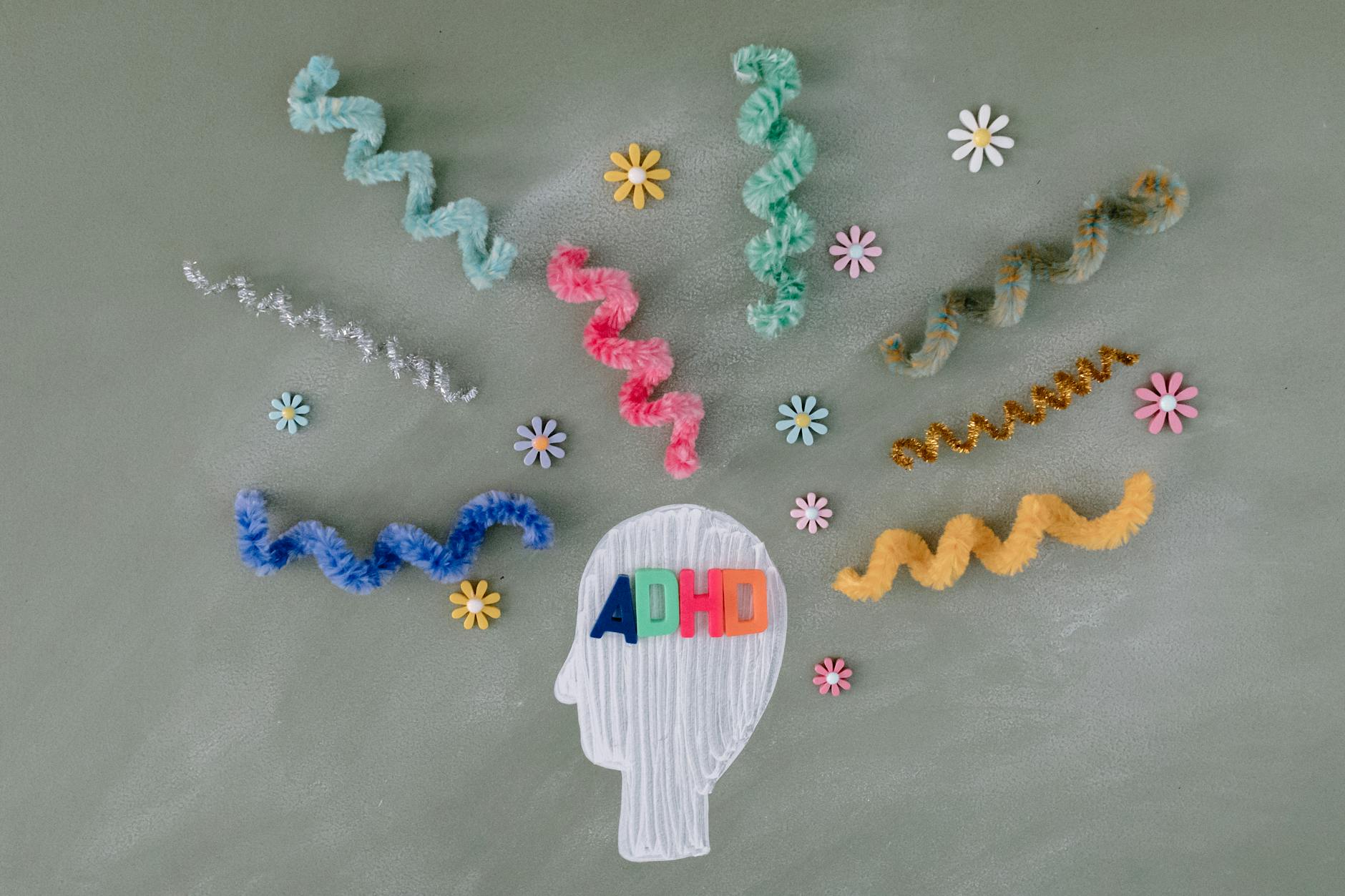
 Photo by
  Photo by
  Photo by
  Photo by
  Photo by
  Photo by
  Photo by
  Photo by
  Photo by
  Photo by
 ![These 6 NLP for ADHD Tools Are Working Right Now To Help Set Boundaries & Manage Rejection Sensitive Dysphoria [With Examples]](https://ruth-ellen.com/wp-content/uploads/2023/03/3635300-768x513.jpg "These 6 NLP for ADHD Tools Are Working Right Now To Help Set Boundaries & Manage Rejection Sensitive Dysphoria [With Examples]")