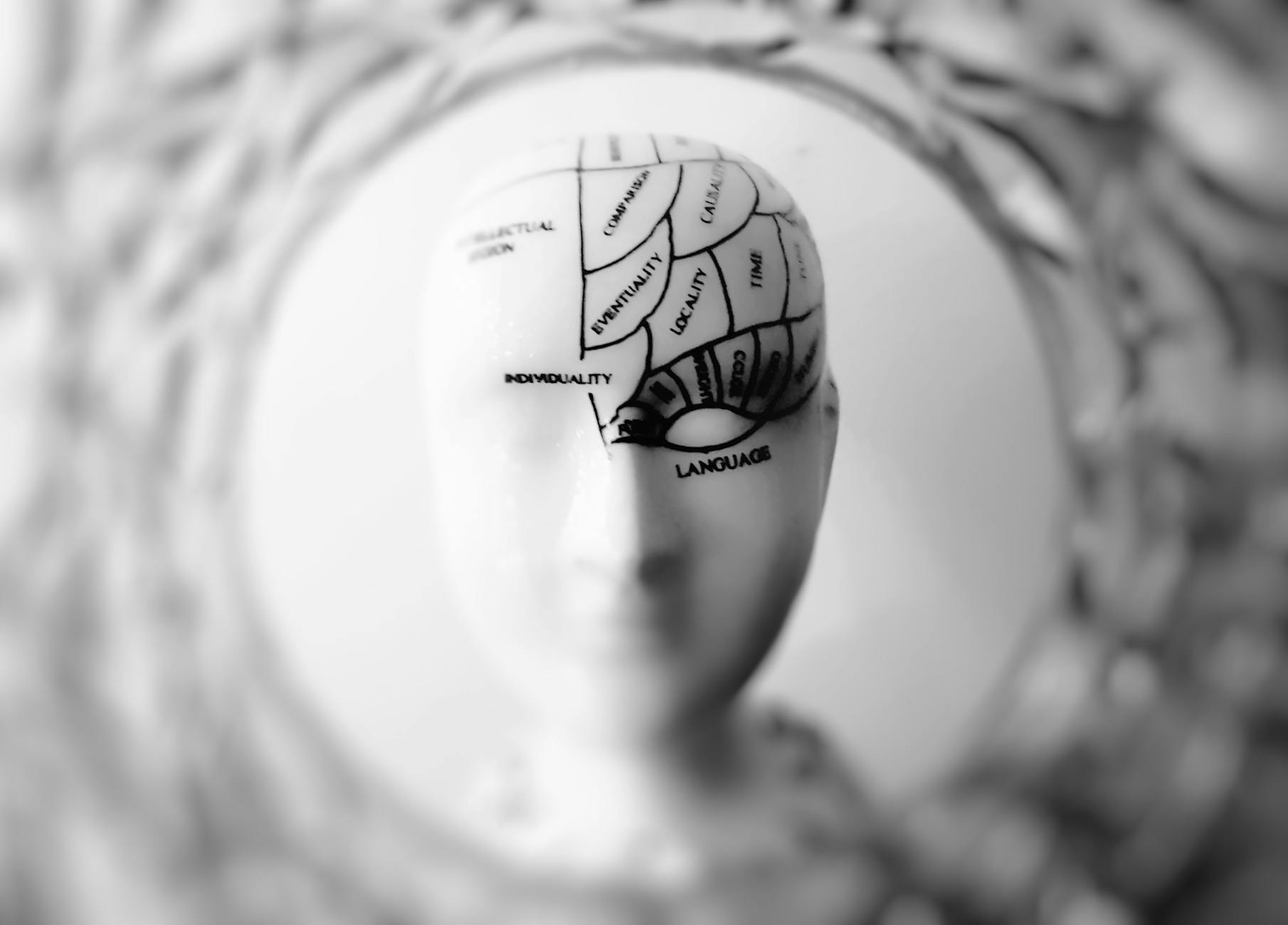
27 Ways To Increase Attention Span Without Burning Out

Understanding Attention Span

Attention span is a crucial aspect of our cognitive function that influences how long we can focus on a particular task or stimulus. In this article section, we will explore what attention span is, its connection to executive function and sustained attention, as well as the importance of having a good attention span.

What is Attention Span?

Attention span refers to the amount of time an individual can concentrate on a specific activity or piece of information without being easily distracted. It is the ability to maintain focus and resist external or internal interruptions that may divert our attention.

Having a good attention span allows us to stay engaged and complete tasks efficiently. On the other hand, a poor attention span can hinder our productivity and make it challenging to perform tasks that require sustained mental effort.

Executive Function and Sustained Attention

Executive function is a set of cognitive processes that enable us to manage our thoughts, actions, and emotions. It involves skills such as problem-solving, decision-making, and self-control. Sustained attention, a vital component of executive function, relates specifically to the ability to maintain focus over an extended period.

Think of executive function as the conductor of an orchestra, coordinating and prioritizing different cognitive processes. Sustained attention is like a musician playing a long, complex piece without losing concentration. Both executive function and sustained attention work together to help us stay on task and filter out distractions.

Many of the clients I support previous to working with me confess to being in sleep deficit, sometimes managing 2-3 hours of sleep because they want to fit in all the things.

They suffer from time blindness and aren’t always able to manage long periods of sustained attention due to distractibility.

In this post, you will discover the power of sustained attention, one of 12 executive function skills , the essential mental ability that allows you to focus on tasks for extended periods without getting distracted. In this comprehensive guide, you’ll find 27 effective strategies to strengthen sustained attention without burning out.

Say goodbye to distractions and hello to a more productive, focused best version of yourself. Dive into these 27 ways to sharpen your sustained attention and experience the benefits of enhanced executive function skills in your everyday life.

Factors that Affect Sustained Attention

Several factors can affect our ability to sustain attention, including:

  • Fatigue: When we’re tired, it’s harder to maintain focus and concentration over an extended period of time.
  • Stress: Chronic stress can affect our ability to sustain attention, as it can overactivate the brain’s stress response system, making it harder to concentrate.
  • Environment: Our environment can also impact our ability to sustain attention. For example, a noisy or cluttered workspace can be distracting, making it harder to focus on a task.
  • Health: Certain health conditions, such as ADHD or sleep disorders, can affect our ability to sustain attention.
  • Technology: The constant notifications and distractions from technology can make it challenging to sustain attention on a task.

By understanding how sustained attention works and the factors that can affect it, we can take steps to improve our ability to stay focused and productive. In the next section, we’ll explore practical strategies for strengthening sustained attention without burning out.

Having strong sustained attention is essential in today’s fast-paced world, where distractions are everywhere. Sustained attention is the ability to concentrate on one task or activity for an extended period, without getting distracted or losing focus. Weak sustained attention can negatively affect your productivity, making it challenging to complete tasks on time. In this section, we will discuss the common indications of weak sustained attention and how to know if you have weak sustained attention.

Common Indications of Weak Sustained Attention

1. Difficulty Completing Tasks: One of the most common signs of weak sustained attention is difficulty completing tasks. You may start a task with enthusiasm, but as time goes on, your interest wanes, and you become easily distracted. You may find yourself procrastinating, taking frequent breaks, or multitasking, which can decrease your productivity.

2. Easily Distracted: Another indication of weak sustained attention is being easily distracted. You may find yourself getting sidetracked by irrelevant thoughts, noises, or events around you, losing track of time, or forgetting what you were doing.

3. Poor Memory: Weak sustained attention can also affect your memory. You may have trouble remembering important details, dates, or deadlines, which can lead to missed opportunities or mistakes.

4. Lack of Focus: If you have weak sustained attention, you may have a hard time staying focused on one thing for an extended period. You may feel restless, unable to sit still, or easily bored with routine tasks.

5. Impulsive Behaviour: Weak sustained attention can also lead to impulsive behaviour. You may act on impulse without thinking things through, or make hasty decisions that can have negative consequences.

How to Know If You Have Weak Sustained Attention

1. Take a Self-Assessment Assessment: One way to know if you have weak sustained attention is to take my executive function assessment

2. Observe Your Behaviour: Another way to know if you have weak sustained attention is to observe your behaviour. Pay attention to how long you can concentrate on a task before getting distracted, how often you lose track of time, or how frequently you switch between tasks.

3. Reflect on past results: If you suspect that you have weak sustained attention, it is advisable to connect the dots by looking backwards.

Here are some key indicators to consider:

  • Difficulty staying focused: Reflect on situations where you found it challenging to maintain attention on a task or activity for an extended period. Did you frequently find your mind wandering or getting easily distracted?
  • Incomplete or abandoned tasks: Think about instances where you started projects or tasks with enthusiasm but struggled to follow through and complete them. Did you often leave tasks unfinished or move on to new projects without completing the previous ones?
  • Procrastination tendencies: Consider if you tend to delay starting tasks or frequently postpone important responsibilities. Do you find yourself putting off tasks until the last minute, causing unnecessary stress and pressure?
  • Daydreaming or zoning out: Reflect on moments where you frequently caught yourself daydreaming, losing track of time, or spacing out during meetings, conversations, or other activities that required sustained attention.
  • Poor time management: Assess if you have experienced difficulties managing your time effectively. Do you frequently underestimate or overestimate the time needed for tasks? Do you struggle to prioritize and allocate sufficient time for important activities?
  • Missed deadlines or appointments: Evaluate if you have a history of missing deadlines, appointments, or important events due to a lack of sustained attention. Did you find it challenging to stay organized and keep track of important dates and commitments?
  • Disorganized workspaces: Take note of the state of your work environment. Is it often cluttered, messy, or disorganized? Are you frequently misplacing items or struggling to find important documents or materials?
  • Forgetfulness: Reflect on instances where you frequently forget important details, instructions, or commitments. Do you often need reminders or struggle with remembering names, dates, or key information?
  • Difficulty multitasking: Consider whether you find it challenging to juggle multiple tasks or switch between different activities seamlessly. Do you often feel overwhelmed or struggle to maintain focus when faced with multiple demands?
  • Feedback from others: Pay attention to feedback from colleagues, friends, or family members regarding your attention span and ability to sustain focus. Have others expressed concerns or provided feedback related to your sustained attention skills?

Reflecting on these indicators and examining past results can help you gain a better understanding of your sustained attention capabilities. It is important to note that these reflections provide initial insights and should be further explored with support for this weaker area, things I provide in my program.

Having weak sustained attention can be frustrating and affect your quality of life. By identifying the common indications of weak sustained attention and knowing how to recognize them, you can take steps to improve your concentration and focus, making you more productive and efficient.

27 Ways to Strengthen Your Sustained Attention Skill Without Burning Out

Do you struggle with staying focused on tasks for extended periods of time? Do you find yourself easily distracted or losing interest? If so, you may need to strengthen your sustained attention skill. This is the ability to concentrate on a task for a prolonged period without getting distracted and losing focus. Here are 33 ways to improve your sustained attention without burning out.

1. Break Tasks into Smaller Chunks

Large tasks can be overwhelming and lead to burnout. Break them down into smaller, more manageable pieces to maintain focus and motivation.

Breaking down large tasks into smaller, more manageable pieces is an effective strategy for improving sustained attention. Evidence-based studies support the use of this strategy as a means of reducing stress and increasing productivity, especially in individuals with ADHD (Attention Deficit Hyperactivity Disorder).

A study published in the Journal of Applied Psychology found that breaking tasks into smaller parts helped participants feel more accomplished and motivated to continue working (Blanchard & Henle, 2008).

2. Use a Timer

Set a timer for a specific amount of time and work on a task without interruption. This technique, known as the Pomodoro Technique, can help you stay focused and work more efficiently.

The Pomodoro Technique, which involves working for a specific amount of time without interruption, has been found to be a useful tool for improving focus and productivity. Studies show that the use of timers can increase motivation and efficiency, particularly when working on tasks that are perceived as difficult.

A study published in the Journal of Applied Psychology found that using a timer helped participants stay focused and work more efficiently (Kirschner & Karpinski, 2010).

3. Practice Mindfulness Meditation

Mindfulness meditation improves focus and attention by training your mind to stay in the present moment. Practice regularly to improve your sustained attention skill.

Studies have shown that mindfulness meditation can improve sustained attention. One study published in Frontiers in Human Neuroscience in 2012 found that participants who underwent mindfulness training showed improvements in their ability to sustain attention, as well as other cognitive functions. Another study published in the Journal of Cognitive Enhancement in 2018 showed that mindfulness meditation can improve sustained attention and working memory capacity. Furthermore, a review of 23 studies published in the journal Mindfulness in 2015 found that mindfulness-based interventions have a positive effect on sustained attention. These studies suggest that mindfulness meditation can be an effective tool for improving sustained attention.

Further resources: FREE mindfulness meditation on Insight Timer

4. Exercise Regularly

Physical exercise boosts energy and alertness, making it easier to stay focused for longer periods.

Regular exercise has been shown to boost energy and alertness, leading to better focus and concentration. A study published in the journal Perceptual and Motor Skills found that aerobic exercise improved cognitive performance in participants (Hogan et al., 2013).

5. Keep Yourself Hydrated

Dehydration can cause fatigue and lack of focus. Drink plenty of water throughout the day to stay alert.

Staying hydrated has been shown to improve cognitive function and mood. A study published in the Journal of Nutrition found that mild dehydration had negative effects on cognitive performance and mood (Ganio et al., 2011).

bottles, water, steel
Photo by NatureFriend on Pixabay

6. Take Breaks

Taking short breaks throughout the day can help you stay focused and avoid burnout. Try taking a 5-10 minute break every hour.

Taking breaks throughout the day has been shown to improve productivity and reduce stress. A study published in the Journal of Occupational Health Psychology found that taking short breaks throughout the day helped employees stay focused and productive (Kim et al., 2014).

7. Set Specific Goals

Having clear and specific goals helps you stay focused on what you need to accomplish, making it easier to avoid distractions. Whenever I coach a client and they don’t have a goal clear in their mind it quickly becomes a rolling goal month after month.

8. Use Positive Affirmations

Positive self-talk can help improve your confidence and motivation, leading to better-sustained attention. Remember, affirmations need to align with your core beliefs and values. If the affirmation contradicts deeply ingrained beliefs or conflicts with one’s self-perception, it can create a cognitive dissonance that hinders the effectiveness of the affirmation. This is why reprogramming is such a powerful tool because it stops self sabotage right in its tracks

9. Create a Distraction-Free Environment

Minimise distractions in your workspace by turning off notifications and reducing noise levels, allowing you to stay focused on your tasks. Ensure you have energy hygiene

10. Get Enough Sleep

Lack of sleep can lead to fatigue and lack of focus. Aim for 7-8 hours of sleep each night to improve sustained attention. Ensure you practice good sleep hygiene habits

11. Avoid Multitasking

Trying to do too many things at once can lead to decreased productivity and increased stress. Focus on one task at a time is easier said that done.

12. Prioritise Tasks by Importance

Focus on the most important tasks first to ensure that you are making progress on the things that matter most.

Read how to prioritise tasks for some strategies.

13. Use Visualisation Techniques

Visualize yourself successfully completing a task to improve your motivation and focus, use obstacle mapping to overcome perceived challenges, you have the answer, just sit with the problem

14. Listen to Music

Music can help improve focus and block out distractions. Choose instrumental music or music without lyrics for the best results. In addition, if you prefer white/brown noise tools like noise-cancelling headphones and website blockers can help minimise distractions and amplify your efforts.

15. Stay Organised

A cluttered workspace can lead to distraction and decreased productivity. Keep your workspace organised and tidy. Get rid of your doom piles in addition learning to listen to your trust your gut so you stop changing your mind based on other peoples opinions due to not trusting yourself.

16. Avoid Procrastination

Putting off tasks until the last minute can lead to stress and decreased focus. Try to complete tasks as soon as possible to keep your mind clear. Ambiguity is the father of procrastination, get super clear on the next step by breaking down the step then taking the step!

17. Practice Concentration Exercises

Activities like Sudoku and crossword puzzles can help improve your concentration and attention to detail. Candle gazing or wall gazing are good techniques to build concentration levels

18. Eat a Balanced Diet

What and when you eat can affect your mood and energy levels. Eat a balanced diet with plenty of fruits, vegetables, and lean protein to stay focused, this is key to energy management

19. Use Aromatherapy

Scents like peppermint and lavender can help improve focus and reduce stress. Use essential oils or candles to create a calming environment.

essential oils, bottle, glass
Photo by monicore on Pixabay

As a Reiki healer balance is key read heal your solar plexus chakra

20. Get Enough Sunlight

Sunlight is important for regulating your circadian rhythm and improving mood. Spend time outdoors each day if possible or get your vitamin D from other sources if you live in a not-so-hot climate like myself.

21. Take Naps

A short nap can help improve alertness and focus. Keep naps under 30 minutes to avoid interfering with your sleep schedule.

22. Learn to Say No

Saying yes to too many commitments can lead to burnout and decreased focus. Learn to say no to tasks that are not essential. If you’re a people pleaser then read this and if you suffer from rejection sensitivity or criticism and want to overcome it then create your own rejection sensitivity dysphoria blueprint here

23. Use Techniques to Boost Focus

Body doubling is a technique of working in the presence of somebody else, this helps amplify accountability and action. This technique has worked wonders for my coaching clients because we combine intention with action, it’s one of the practices I incorporate in my programmes so people go from inspiration to participation. One platform that is great at facilitating body doubling is flown, where you can body double literally 24 hours a day.

Try FLOWN for 30 days for FREE here

24. Avoid Caffeine

While caffeine can improve focus in the short term, it can also lead to anxiety and decreased concentration in the long term. Limit your intake if possible.

25. Get Regular Eye Checkups

Eye strain can lead to decreased focus and headaches. Get regular eye checkups and take breaks from screens to avoid eye strain. Use tools like F.lux

26. Avoid Alcohol

Alcohol can impair cognitive function and lead to decreased focus. Avoid drinking alcohol when you need to stay focused on a task. Take it from someone who is a lightweight and rarely drinks socially.

27. Practice Breathing Techniques

Deep breathing exercises can help reduce stress and improve focus. Practice taking deep breaths throughout the day.

In summary, implementing these 27 strategies will significantly enhance your sustained attention and executive function skills, without the risk of burnout. By incorporating a variety of methods, such as mindfulness, brain-training exercises, and proper nutrition, you will not only improve your focus but also promote overall cognitive health.

Remember to start by assessing your current attention levels (my EF Test helps with this) and identifying areas for improvement. Gradually integrate these techniques into your daily routine, prioritising those that best suit your unique needs and preferences. Consistency is key, so make it a point to practise and refine your executive function skills like sustained attention regularly.


Do you struggle with sustaining your attention, staying focused and find yourself constantly starting but rarely finishing a task?

Are you looking to enhance your ability to plan, organise, and boost your overall cognitive functioning?

Are you ready to take your performance to the next level and achieve your goals more consistently?

That’s why I’ve created Power-Up! – The Ultimate Executive Function Playbook! My comprehensive programme is designed to help you improve your executive functioning skills to reach your full potential and succeed in all areas of life.

With my weekly engaging and interactive challenges, you’ll gradually build up your metacognition, working memory, attention, flexibility, and other executive functioning skills. You’ll receive personalised support and guidance from me; I will help you develop strategies for overcoming low executive function skills.

Don’t let executive functioning challenges hold you back any longer. Take the first step towards improving your skills and achieving success by signing up for Power-Up! – The Ultimate Eexecutive Function Playbook today.

DM me if you’re interested, and we will chat over Facebook Messenger to see if you’d be a good participant in the programme. Alternatively, grab your spot on the Executive Function Playbook!


There is no transformation from information without implementation,so implement and you will notice a remarkable improvement in your ability to sustain your attention without burning out.

These may feel like common sense strategies but they are not common practice, so remember to do these regularly. This, in turn, will boost your productivity and success in both personal and professional life. So, embrace these strategies today and unlock your full potential for sustained attention and enhanced executive function.


Master Your Mind: Improve Response Inhibition with Mindful Meditation Techniques

Meditation and mindfulness have long been praised for their countless benefits to mental and physical health. But did you know that they can also play a vital role in developing your response inhibition? In today’s fast-paced world, the ability to pause and make informed decisions is more important than ever. That’s where the power of meditation and hesitation come in. By incorporating mindfulness practices into your daily routine, you can strengthen your response inhibition skills, helping you navigate life’s challenges with grace and ease. So, let’s dive into the wonderful world of meditation and hesitation, and discover how you can unlock your full potential.

What is Response Inhibition?

Response inhibition is the ability to suppress an instinctive or automatic response in favour of more appropriate behaviour. It is what allows us to stop ourselves from blurting out something inappropriate or acting impulsively in situations that require restraint. Developing response inhibition is crucial to our cognitive and emotional development, and it is essential to our ability to function effectively in the world.

Why is Response Inhibition Important?

Response inhibition plays a critical role in many aspects of our lives. It enables us to control our behaviour, regulate our emotions, and make good decisions. Without response inhibition, we would be unable to resist temptation, delay gratification, or think before we act. Response inhibition is also essential for social interaction, as it allows us to understand and comply with social norms and rules.

How is Response Inhibition Measured?

Response inhibition can be measured using various cognitive tasks, such as the Stop Signal Task or the Go/No-Go Task. These tasks require individuals to inhibit a prepotent response when presented with a specific stimulus or cue. The time it takes to inhibit the response is used as a measure of response inhibition ability. Brain imaging studies have also shown that response inhibition involves the activation of specific brain regions, such as the prefrontal cortex and the basal ganglia.

How Can You Improve Your Response Inhibition?

Improving response inhibition requires practice and mindfulness. Mindfulness meditation is a valuable tool for developing response inhibition, as it helps to increase awareness of our thoughts, emotions, and behaviours. Regular meditation practice can improve our ability to inhibit impulsive or automatic responses and allow us to respond more thoughtfully and intentionally in stressful or challenging situations.

Other ways to improve response inhibition include getting enough sleep, managing stress levels, and engaging in regular physical exercise. These activities help to improve overall cognitive functioning and enhance our ability to control our behavior.

By developing our response inhibition, we can become more resilient, adaptable, and effective in our everyday lives. With practice and mindfulness, anyone can strengthen their response inhibition skills and enjoy the benefits of a more deliberate and intentional approach to life.

Mindful Meditation: What is it?

Mindful meditation, also known as mindfulness meditation, is a form of meditation that involves being present in the moment and paying attention to your thoughts and feelings without any judgment. It helps you to become aware of your thoughts and emotions and to observe them without reacting to them.

Defining Mindful Meditation

Mindful meditation involves training your mind to focus on your breath or a specific object, bringing your attention back to the object of focus whenever your mind wanders. It helps you to become more aware of your thoughts and emotions and to develop a better understanding of how they affect your behavior and actions.

It is a form of mental training that can help you to be more aware of your thoughts and feelings and to develop a better understanding of your own mind. Mindful meditation can also help you to reduce stress, anxiety, and depression and to improve your overall well-being.

The Benefits of Mindful Meditation

Mindful meditation has many benefits, including:

  • Reducing stress, anxiety, and depression
  • Improving focus and concentration
  • Enhancing self-awareness
  • Developing a better understanding of your own mind
  • Improving your overall well-being

By practicing mindful meditation regularly, you can develop a greater sense of clarity and calmness in your life. It can help you to become more centered and focused, allowing you to respond to situations in a more thoughtful and deliberate way.

Getting Started with Mindful Meditation

If you want to get started with mindful meditation, there are a few things you can do:

  1. Find a quiet and comfortable place where you can sit or lie down without any distractions.
  2. Set a timer for 5-10 minutes to start with, and gradually increase the time as you become more comfortable with the practice.
  3. Close your eyes and focus on your breath, taking slow and deep breaths in and out.
  4. Whenever your mind wanders, gently bring it back to your breath or object of focus.
  5. Repeat this process for the duration of your meditation session.

Remember, the goal of mindful meditation is not to stop thinking or to empty your mind, but rather to observe your thoughts and feelings without reacting to them. With practice, you can develop a greater sense of calmness and clarity in your life, and improve your overall well-being.

The Science Behind Mindful Meditation and Response Inhibition

In today’s fast-paced, overstimulating world, it can be challenging to filter out distractions and stay focused. Response inhibition, the ability to stop an impulsive response and redirect attention to a task, is a crucial cognitive skill that can be improved through mindful meditation.

Exploring Research Studies on Response Inhibition and Mindful Meditation

A recent study published in Proceedings of the National Academy of Sciences found that just four days of mindful meditation training improved participants’ response inhibition. The study used a “Go/No-Go” task to measure response inhibition, and participants who underwent the mindfulness training showed significantly better performance than those in the control group.

Another study published in Cognitive, Affective, & Behavioral Neuroscience found that experienced meditators had better response inhibition than non-meditators. The study used an “antisaccade” task to measure response inhibition, and the results showed that meditators had faster and more accurate inhibition of prepotent responses.

The Role of Mindful Meditation in Strengthening Response Inhibition

So, how does mindful meditation improve response inhibition? One theory is that it increases activity in the prefrontal cortex, the area of the brain responsible for cognitive control and decision-making. Mindfulness training may also enhance communication between the prefrontal cortex and other regions of the brain involved in attention and emotion regulation.

Furthermore, mindful meditation can help improve self-awareness and self-regulation. By learning to observe their thoughts and emotions without judgment, individuals can develop greater control over their impulses and easily recognize when they are becoming distracted. This heightened level of awareness can lead to improved response inhibition and better overall cognitive functioning.

Overall, the research suggests that mindful meditation can be a valuable tool for improving response inhibition and cognitive control. By incorporating mindfulness practices into your daily routine, you may be able to enhance your ability to focus, filter out distractions, and stay on task.

Response inhibition is the ability to stop oneself from performing an action that could be harmful or detrimental. This cognitive control is an essential skill that can be improved with mindfulness and meditation. By strengthening your response inhibition, you can experience various benefits that can positively impact your life. Here are some advantages of improving your response inhibition:

Improved Decision-making

When you have a strong response inhibition, you can make better decisions and avoid impulsive actions. You can take a moment to pause and think before acting, which can lead to a more thoughtful and rational approach to decision-making. This can help you avoid making mistakes that you may regret later on.

Reduced Anxiety

In many cases, anxiety is caused by worrying about future events or dwelling on past mistakes. With stronger response inhibition, you can focus on the present moment and avoid getting caught up in negative thoughts and emotions. This can help reduce anxiety and improve your overall mental health.

Better Relationships

Having a strong response inhibition can also improve your relationships with others. By being more mindful of your actions and words, you can avoid saying or doing things that could hurt others. You can also be more empathetic and understanding, which can lead to stronger connections with friends, family, and colleagues.

Increased Self-control

When you have better response inhibition, you can exercise more self-control in various areas of your life. For example, you may be able to resist unhealthy food cravings or avoid procrastination when you have work to do. This can lead to a greater sense of self-discipline and accomplishment.

Boosted Productivity

By avoiding distractions and staying focused on the task at hand, you can be more productive in your personal and professional life. A stronger response inhibition can help you resist the urge to check your phone or social media while working, resulting in increased workflow and efficiency.

Improving your response inhibition is a valuable skill that can positively impact many areas of your life. By incorporating mindfulness and meditation practices into your daily routine, you can strengthen this cognitive control and experience these benefits firsthand.

How to Meditate Mindfully to Strengthen Your Response Inhibition

Practising mindfulness meditation can help you strengthen your response inhibition, which is the ability to control your impulses and delay gratification. When you meditate mindfully, you learn to observe your thoughts and emotions without judgment, which can help you develop greater self-awareness and self-control. Here’s a step-by-step guide to practising mindful meditation for response inhibition.

Step 1: Find a Quiet Place

Find a quiet place where you can sit comfortably without distractions. You can sit on a chair or cushion with your back straight and your hands resting on your lap.

Step 2: Focus on Your Breath

Close your eyes or keep them open and softly gaze at a point in front of you. Begin to breathe deeply and slowly, focusing your attention on the sensation of your breath as it flows in and out of your body. If your mind starts to wander, gently bring your attention back to your breath.

Step 3: Observe Your Thoughts

As you continue to breathe mindfully, observe your thoughts as they come and go. Don’t judge or analyze your thoughts, simply observe them and let them pass without getting caught up in them.

Step 4: Label Your Emotions

If you notice any emotions arising, label them without judgment. For example, if you feel anxious, simply say to yourself “anxiety” and then let the feeling pass.

Step 5: Focus on the Present Moment

Bring your attention back to your breath and the present moment whenever you notice your mind wandering. Remember that mindfulness is about being fully present and aware in the moment.

By practising mindful meditation regularly, you can strengthen your response inhibition and develop greater self-control. You can also reduce stress and improve your overall well-being.

Tips to Incorporate Mindful Meditation into Your Daily Routine

1. Start Small

When incorporating mindfulness into your daily routine, it’s important to start small. You don’t need to dedicate an hour every day to meditation. Instead, start with just a few minutes and gradually work your way up as you become more comfortable.

2. Find a Dedicated Space

Having a dedicated space to practice mindfulness can help you stay focused and relaxed. Find a quiet space in your home where you can meditate without distractions. Add some candles or plants to create a calming atmosphere.

3. Use Guided Meditations

Guided meditations can be a helpful tool for beginners. There are plenty of free resources available online that can guide you through a meditation practice. You can try different types of meditation until you find one that works best for you.

4. Make It a Habit

Try to incorporate mindfulness into your daily routine by practicing at the same time every day. This will help you make it a habit and ensure that you don’t forget to take time for yourself.

5. Focus on Your Breath

When meditating, it’s easy to get distracted by your thoughts. Instead, try to focus on your breath. Pay attention to the sensation of your breath as it enters and leaves your body. This can help you stay present and in the moment.

6. Use Mindfulness in Everyday Activities

Mindfulness doesn’t have to be limited to meditation. You can practice mindfulness in everyday activities like cooking, cleaning, or walking. Focus on the sensations of the activity and try to stay present in the moment.

  • Remember, mindfulness is a practice, not a perfect. Don’t get discouraged if you find your mind wandering during meditation. It’s completely normal and takes time to master.
  • Try to make mindfulness a part of your daily routine. The more you practice, the easier it will become.

As a meditation teacher who is neurodivergent I can attest to the power of meditation that not only I have encountered but many others have.

Response inhibition is just one of the executive functions we strengthen in The Overcoming Rejection Sensitivity Blueprint my 90 day program that give you a framework to explore, be equipped with the right tools, and excel so you can maintain consistency with the management of RSD

Need Support To Implement Your Blueprint?

it’s never been about information, transformation comes from information, so if you want support to implement the steps, you can book your call below. The investment is £2500, payment plans are available.

Last words…

Meditate & Hesitate: Strengthening Your Response Inhibition with Mindfulness has shed light on the power of mindfulness in honing one’s ability to pause before reacting. Practicing mindfulness meditation on a regular basis can improve decision-making, reduce impulsivity, and increase self-control.

To reap the benefits, start by setting aside a few minutes each day for mindfulness practice. Focus on your breath, observe your thoughts, and embrace the power of the present moment. Be patient, and remember that progress takes time.

So, hesitate no more – dive into the world of mindfulness and unlock your potential for improved response inhibition. Happy meditating!

Create Your Own Rejection Sensitive Dysphoria Blueprint: The 9 Steps

Are you tired of feeling like your emotions are out of control? Have you struggled with rejection sensitivity dysphoria (RSD) and want to overcome it? Look no further than this post to create your own Rejection Sensitive Dysphoria Blueprint™.

It’s the steps I take my clients through in my programme, laid out for you in one post

Say goodbye to RSD’s emotional rollercoaster and hello to a more confident, balanced you. It’s easier than you think, so let’s get started!

So first, I am going to give you the big picture, then break down each phase into steps

Phase 1: Explore

Exploring your RSD is the first step in creating your own rejection sensitive dysphoria blueprint, because explore is where you raise awareness. This phase involves identifying your triggers and understanding how your body reacts to rejection. With the help of a therapist or trusted friend, you can begin to explore the underlying causes of your RSD and gain clarity on what explicitly triggers your emotional reactions.

Your rejection sensitive dysphoria blueprint

Phase 2: Equip

Equipping yourself with the right tools is essential in managing your RSD. This phase of creating your own rejection sensitive blueprint involves learning coping mechanisms and developing a self-care routine that works for you. Techniques such as deep breathing, mindfulness, and positive self-talk can all be helpful in equipping yourself to overcome your RSD.

Your Own Rejection Sensitive Dysphoria Blueprint

Phase 3: Excel

Once you have explored and equipped yourself, it’s time to excel in managing your RSD. This phase involves taking action and implementing what you have learned. It’s important to recognize that managing RSD is an ongoing process and there will be setbacks along the way. But with consistency and perseverance, you can excel in managing your RSD and live a fulfilling life.

By following your own Rejection Sensitive Dysphoria Blueprint™, you can gain control of your emotions and overcome your RSD. Remember to be patient with yourself and seek support when needed. You’ve got this!

Explore (Phase)

Rejection Sensitive Dysphoria (RSD) can be a challenging experience. However, with the right tools and mindset, you can overcome it. In this section, we will discuss the Explore phase of creating your RSD blueprint. The Explore phase is all about gaining a deeper understanding of your RSD, accepting it, and aligning your thoughts and behaviours to help you overcome it.

Step 1: Awareness

Before you can start working on your own rejection sensitive dysphoria blueprint, you need to develop a deep awareness of your RSD. This involves understanding the triggers that set off your RSD, the physical and emotional sensations you experience when it happens, and the negative self-talk that follows.

To gain awareness, try practising mindfulness meditation. This will help you tune into your thoughts and emotions and become more aware of your RSD triggers. You can also keep a journal to record your thoughts and feelings when you experience RSD. This will help you identify patterns and gain a deeper understanding of your RSD.

Step 2: Acceptance

Once you have a deeper understanding of your RSD, the next step is to accept it. Acceptance doesn’t mean giving up or resigning yourself to the fact that you have RSD. It means acknowledging that it is part of who you are and that it’s okay to feel the way you do.

To practice acceptance, try using positive affirmations. Repeat statements like “I am worthy of love and respect” or “I accept myself just as I am” to yourself regularly. This will help you develop a more positive self-image and reduce the negative self-talk that often accompanies RSD.

Step 3: Alignment

The final step in the Explore phase is to align your ideal thoughts and behaviours through creative visualisation and journalling —how it looks, feels, and the experiences you encounter. Some clients also opt for Reiki healing during this step.

By going through the Explore phase of creating your RSD blueprint, you’ll gain a deeper understanding of your RSD, learn to accept it, and understand what aligned thoughts and behaviours look likes. The next phase, Equip, involves discovering the tools to help you manage and overcome RSD.

Equip (Phase)

Now that you have identified the triggers and symptoms of your Rejection Sensitivity Dysphoria, it is time to equip yourself with the necessary tools to overcome it. This phase involves reprogramming your thoughts, rerouting your reactions, and reframing your perspective.

Step 4: Reprogramme

Reprogramming your thoughts is critical to overcoming RSD. Your negative self-talk and limiting beliefs are often the root cause of your intense emotional responses. To reprogramme your thoughts:

  • Reprogramme beliefs that do not align with your goals with hypnotherapy
  • Identify and challenge cognitive distortions through cognitive restructuring using emotional freedom technique

Remember, your thoughts are not facts, and you can change them.

Step 5: Reroute

Rerouting your reactions involves learning new coping mechanisms to deal with triggers. Instead of reacting impulsively, you can learn to pause, reflect, and respond in a way that aligns with your values. To reroute your reactions:

  • Practice dialectal behaviour therapy skills, mindfulness and meditation
  • Develop healthy coping mechanisms, such as exercise or journaling
  • Use assertiveness skills to communicate effectively

By rerouting your reactions, you can break the cycle of negative emotions and take control of your responses.

Step 6: Reframe

Reframing your perspective involves changing the way you view rejection. Instead of seeing it as a personal attack, you can reframe rejection as an opportunity for growth and learning. To reframe your perspective:

  • Practice gratitude and focus on the positives in your life
  • Challenge all-or-nothing thinking and perfectionism
  • Utilise NLP tools to become a master reframer

By reframing your perspective, you can reduce the intensity of your emotional response and build resilience in the face of rejection.

Remember, equipping yourself with these tools takes time and practice. It may not happen overnight, but with persistence and dedication, you can overcome Rejection Sensitive Dysphoria and live a fulfilling life.

Excel (Phase)

In this phase, you will learn how to excel at managing your rejection sensitivity dysphoria (RSD). The Excel phase is designed to help you establish mindful boundaries, develop magnetic habits, and create a maintenance blueprint for long-term success.

Step 7: Mindful Boundaries

Mindful boundaries are essential in managing RSD. It’s important to recognize what triggers your RSD and set boundaries to protect your emotional well-being.

Boundaries can include anything from limiting interactions with certain people or situations to setting time limits on how much you engage with social media. By establishing these boundaries, you’ll create a safe space for yourself to navigate through potential triggers.

Step 8: Magnetic Habits

Creating magnetic habits can help you stay grounded and centred when dealing with RSD. These habits can include practising meditation, journaling, or even taking a walk outside when you feel overwhelmed.

The key is to find activities that bring you joy and help you relax. By incorporating these habits into your daily routine, you’ll develop a more positive outlook and be better equipped to handle any rejection or criticism that comes your way.

Step 9: Maintenance Blueprint

A maintenance blueprint is a plan that helps you maintain the progress you’ve made during the Excel phase. This plan should be flexible and adaptable to your changing needs.

Consider scheduling regular check-ins with yourself to assess how you’re feeling and adjust your plan accordingly. You may also want to consider seeking support from a therapist or trusted friend to help you stay on track.

Remember, the maintenance blueprint is not a one-size-fits-all solution. It’s important to experiment with different strategies until you find what works best for you.

Putting Your Plan Into Action

Now that you have your plan, it’s time to put it into action. This may be daunting at first, but remember that small steps lead to big progress. Start by implementing one aspect of your plan at a time and track your progress. Celebrate your successes along the way and be kind to yourself when you experience setbacks.

In conclusion, creating a rejection sensitivity dysphoria blueprint can help you take control of your emotions and live a more fulfilling life. By identifying your triggers, developing success strategies, creating a plan, and putting it into action, you can overcome rejection sensitivity and thrive.

Take the time to reflect on your experiences and use the exercises in this post to create your blueprint. You may need to revisit it and make changes along the way, but that’s all part of the process.

The Overcoming Rejection Sensitivity Dysphoria (RSD) Blueprint™ is your step by step 90 day blueprint to help diffuse emotional explosions so you can master your emotions.

Need Support To Implement Your Blueprint?

it’s never been about information, transformation comes from implementation, so if you want support to implement the steps to create your own rejection sensitive dysphoria blueprint you can find out more below

The investment is £2500, payment plans are available.

Thank you for reading, and I wish you all the best in your journey towards managing rejection sensitivity dysphoria!

Ruth-Ellen, your Rejection Sensitivity Dysphoria healer & coach. Author of rejection sensitivity for ADHD journal

Ways To Strengthen Your Friendship Even When You Have RSD

Navigating friendships can be challenging, especially when dealing with Rejection Sensitivity Dysphoria (RSD). Fret not, as this blog post offers 11 practical tips to help maintain and strengthen those bonds.

Dive in to discover ways to communicate effectively, set boundaries, and overcome RSD’s tricky hurdles. Friendships don’t have to be a minefield; let’s make them a walk in the park together!

So I thought it would be pretty cool to create a 5-day mini course for you, yes I went down a rabbit hole (the gift of ADHD), here it is

? Strengthening Friendship with RSD Series: 5-Day Email Series to Embrace Your True Self, Avoid Burnout, and Break Free from People Pleasing! ?

Now let’s resume our scheduled post shall we…

Understanding the Impact of RSD on Friendships

Rejection sensitivity dysphoria (RSD) can have a significant impact on friendships. It is a condition that causes an extreme reaction to perceived rejection or criticism, which can cause someone with RSD to react negatively and potentially damage their relationships with friends.

The Importance of Self-Awareness When Dealing with RSD

One of the most important steps in managing RSD in friendships is self-awareness. Yes, I am repeating myself, because without self-awareness you will keep going around the frustration isolation merry-go-round.

Recognising that you have RSD and understanding how it affects you is crucial in helping you manage your emotions and behaviour in social situations.

Self-awareness can help you to recognise when you are overreacting to a perceived slight or when you are behaving in a way that is unhelpful to your friendships. By knowing your triggers and patterns of behaviour, you can take steps to manage them and prevent them from damaging your relationships.

1. Identify Unhelpful Behavioural Patterns

Another important step in managing RSD in friendships is identifying unhelpful behavioural patterns. These patterns can include being overly sensitive to criticism, becoming defensive or argumentative, or withdrawing from social situations altogether.

By identifying these patterns, you can take steps to manage them and prevent them from causing damage to your friendships. This could include seeking professional help, practising mindfulness or dialectal or cognitive behavioural therapy, or simply being more mindful of your behaviour in social situations.

Managing RSD in friendships can be challenging, but with self-awareness and an understanding of unhelpful behavioural patterns, it is possible to maintain healthy and fulfilling relationships with friends. By taking steps to manage your emotions and behaviour, you can prevent RSD from damaging your friendships and enjoy the benefits of meaningful connections with others.

Navigating Friendships with RSD

Rejection sensitivity dysphoria (RSD) is a condition that can make navigating friendships challenging. It’s essential to communicate with your friends about your condition, set boundaries, and understand the importance of empathy in your relationships. Here are some practical tips to help you manage your friendships with RSD:

2. Communicate with Friends about RSD

It’s crucial to communicate with your friends about your RSD to avoid misunderstanding and misinterpretation of your behaviour. It’s essential to explain to your friends what RSD is and how it affects your emotional well-being. You can also share some helpful sources for them to read and understand your condition better. When you open up about your RSD, you’ll be surprised to find how supportive your friends can be.

3. Set Boundaries for Healthy Friendships

Setting boundaries is crucial, especially when you have RSD. You must know what you’re comfortable with and what you’re not. It would help if you communicated your boundaries to your friends and ensure they respect them. It’s also essential to set realistic expectations for yourself and your friends so that you don’t feel overwhelmed. When you establish boundaries, you’re setting the foundation for healthy friendships that are beneficial to your emotional well-being.

4. The Importance of Empathy in Friendships when Dealing with RSD

Empathy is crucial when dealing with RSD in friendships. Your friends must understand your condition and be there for you when you’re struggling. It’s essential to surround yourself with people who are compassionate and understanding of your situation. You can also educate your friends about RSD and how they can help you when you’re feeling overwhelmed. When you have empathic friends, you feel less alone, and it’s easier to manage your condition.

Managing friendships with RSD can be challenging, but it’s possible. Communicating with your friends about your condition, setting boundaries, and surrounding yourself with empathic people can significantly improve your relationships. Remember to take care of yourself and prioritize your emotional well-being when managing your friendships.

Practical Tips for Navigating Friendships with RSD

Rejection Sensitivity Dysphoria (RSD) can make navigating friendships a challenge. You might feel like you’re on a rollercoaster of emotions and it can be difficult to manage. But don’t worry; there are practical tips that can help you navigate friendships with RSD.

5. Identify Triggers for RSD

One of the first steps in managing RSD is identifying your triggers. These triggers could be situations or people that make you feel rejected or criticized. Once you identify your triggers, you can work on avoiding them (within reason) or finding ways to cope with them.

6. Develop Coping Mechanisms for RSD

It’s important to have coping mechanisms in place for when you experience RSD. These could include distraction techniques, grounding exercises, or talking to a trusted friend or therapist. The key is to find what works best for you and have a plan in place for when you need it.

7. Practice Mindfulness Techniques to Manage RSD

Mindfulness techniques can be helpful for managing RSD. This includes techniques such as deep breathing, meditation, or yoga. These techniques can help you stay present in the moment and reduce feelings of overwhelm or anxiety.

8. Recognise distorted thinking

RSD often amplifies negative interpretations of social situations. Train yourself to recognize when your thoughts might be distorted and challenge them with more realistic perspectives.

Knowing When to Seek Professional Help

If you’re struggling with RSD and it’s impacting your daily life, it may be time to seek professional help. A therapist or counselor can provide you with tools and techniques to manage RSD and improve your overall mental health.

Remember, managing RSD takes time and practice. By identifying your triggers, developing coping mechanisms, practicing mindfulness, and seeking professional help when needed, you can navigate friendships with RSD successfully.

Building Strong Friendships with RSD

Rejection sensitivity dysphoria (RSD) can make building and maintaining friendships a challenging task. However, with the right tools and strategies, it is possible to foster strong and supportive friendships. In this section, we will explore ways to build strong friendships with RSD, including fostering trust and understanding, finding support and community, and celebrating successes in friendship.

9. Fostering Trust and Understanding in Friendships

Trust and understanding are essential components of any healthy friendship, and they are especially crucial for those with RSD. It is essential to communicate your needs and boundaries with your friends openly. Be honest about your struggles and let your friends know how they can support you. By fostering open and honest communication, you can establish a foundation of trust and understanding in your friendship.

It is also essential to be mindful of your own reactions and assumptions. RSD can make it challenging to differentiate between perceived rejection and genuine misunderstanding. By taking a step back and considering alternative explanations for your friend’s behavior, you can avoid misunderstandings and build a more robust and meaningful friendship.

10. Find Support and Community

Friendships can be a crucial source of support for those with RSD, but they are not the only option. There are many support and community groups available for people with RSD. These groups can provide a safe and supportive environment to connect with others who share similar experiences and struggles.

Online communities, such as forums and social media groups, can also be a great way to find support and connect with others. Just be sure to take the necessary precautions to protect your privacy and safety when interacting with strangers online.

Explore creative outlets or hobbies that allow you to express your emotions and thoughts in a healthy and constructive manner; for me, that place was improv & public speaking, where I learnt some great interpersonal & communication skills.

11. Celebrate Successes in Friendship

Building and maintaining friendships with RSD can be challenging, but it is not impossible. Celebrate the successes in your friendships, no matter how small they may seem. Recognize the progress you have made and the positive impact your friendships have on your life.

Take the time to acknowledge your friend’s efforts and show them your appreciation. A small gesture of kindness, such as a heartfelt note or a thoughtful gift, can go a long way in strengthening your friendship and building a supportive and understanding community.

In conclusion, Rejection Sensitivity Dysphoria (RSD) can be a challenging condition to navigate, especially in friendships. However, by implementing practical tips such as understanding your triggers, setting boundaries, and practising self-care, you can manage your RSD and maintain healthy friendships.

Remember, it’s okay to make mistakes and experience setbacks – what’s important is that you keep trying and showing up for yourself. With time, patience, and a little help from your friends, you can thrive in your relationships and overcome the obstacles that RSD may present. So go forth, embrace your quirks, and enjoy the beautiful journey of friendship!

P.S. Here is the 5-day email series for strengthening friendship , I found it helpful when I was creating it based on things I have implemented, may it serve you!

Decluttering with ADHD: Practical Tips to Tackle Doom Piles and Maintain Order

📩 Get my FREE ADHD Decluttering Guide! Click here to grab it instantly

Feeling like your clutter’s got a personality of its own? If you’ve got ADHD, tackling “doom piles” can feel like a game you’re not set up to win. Clutter feeds off executive dysfunction, decision fatigue, and that ever-persistent emotional overwhelm—leaving your brain screaming, “Where do I even start?!”. Here’s some good news: you don’t need superhuman motivation or a 5-hour window to get started. With some ADHD-friendly strategies, it’s not just possible to declutter—it can actually be fun (yes, really). Let’s break it down into easy, judgement-free steps to reclaim your space, and maybe your sanity too.

Understanding the ADHD Brain and Clutter

When it comes to decluttering with ADHD, the struggle is as much internal as it is about the visible mess. ADHD brains process tasks and motivation differently, making clutter feel overwhelming and almost unbeatable. But why? Let’s take a closer look at how ADHD impacts organisation and the psychology behind those “doom piles” that seem impossible to tackle.

Executive Dysfunction and Task Overwhelm

Ever looked at a pile of clutter and thought, “I’ll sort this later,” only for “later” to turn into weeks? That’s executive dysfunction at play. People with ADHD often struggle to break tasks into smaller, actionable steps. Something as straightforward as “clear the desk” feels more like “climb Mount Everest.”

When your brain is grappling with prioritisation and sequencing, small chores can balloon into massive undertakings. The result? Procrastination. It’s not laziness—it’s a neurological hiccup. Add to that the difficulty in estimating how long things will take, and suddenly the thought of deciding where your pen cup goes can seem like solving a quadratic equation.

Here’s a relatable tip to combat this paralysis: try micro-tasks. Instead of “clean the kitchen,” go with something like “clear one shelf for 5 minutes.” Sound too simple? Trust me, it works. Need an extra motivational boost? Explore ADHD journal prompts that gamify tasks and make productivity feel less daunting.

Dopamine Deficiency: Why Clutter Builds Up

We all know how great it feels to check something off your to-do list. That sense of accomplishment? It’s thanks to dopamine, a chemical messenger in the brain that’s tied to motivation, focus, and reward. Now, here’s the rub: ADHD brains are notoriously low on dopamine, making it harder to get excited about “boring” things like tidying up.

Without that dopamine-driven reward system, clutter often gets ignored until it snowballs into a chaotic monster of stress. It’s not that you don’t care—it’s that your brain doesn’t provide the “oomph” needed to care consistently. Tackling clutter might feel endlessly draining, which is why finding low-energy systems to maintain order is critical.

What can help? Building in rewards. Think of it as hacking your own dopamine. Try something tiny, like blasting a favourite playlist while you work, or nibbling on your go-to snack between tasks. And if you need more support, practical tools like this Doom Piles Guide can walk you through ADHD-friendly strategies to stay on top of mess.

Sensory Overload: The Impact of Visual Clutter

Picture this: you’re in your living room, but every flat surface is covered—you’re talking unopened mail in one corner, random cables in another, and, oh, is that last week’s pizza box still sitting there? An ADHD brain sees all that as noise, and that noise? It cranks sensory overload into high gear.

ADHD often comes with heightened sensitivity, meaning clutter isn’t just clutter—it’s shouting for attention. This can quickly spiral, as the inability to focus is amplified by the brain being overstimulated by the mess. It’s like trying to have a quiet conversation in a room full of blaring TVs.

This is where the magic of “out of sight, out of mind” triumphs. Baskets, drawers, or even a designated “clutter cupboard” can work wonders for reducing visual chaos. Decluttering isn’t just about tidying up; it’s about creating a calmer, more focused environment for your mind. For more on building a clutter-free zone that supports focus, check out this guide to creating structure with ADHD traits: ADHD Traits: The 5 Unique and Uplifting Ones.


By understanding the science of how ADHD interacts with clutter, you can approach tidying up in a way that works with your brain rather than against it. Each strategy doesn’t just make sense—it empowers you to regain control without feeling defeated in the process. Keep reading as we explore actionable tips you can use right away!

Effective ADHD-Friendly Decluttering Strategies

Decluttering with ADHD doesn’t need to be a monumental task. In fact, the key to success lies in breaking things into smaller, manageable chunks and using methods that actually work for how your brain operates. Overwhelm, decision fatigue, and the dreaded doom piles can be tackled with a few structured, ADHD-friendly strategies that prioritise simplicity and sustainability.

The 5-Minute Decluttering Method

ADHD Decluttering Guide!
Photo by RDNE Stock project

Let me guess: “decluttering” sends your mind racing with visions of hours wasted and overwhelming piles? Don’t worry—this isn’t that! Instead, start with the 5-minute decluttering method. The idea is simple: set a timer for five minutes and tackle just one area of clutter. Whether it’s your desk, a corner of the kitchen counter, or that chair that’s become a wardrobe, the goal is progress, not perfection.

Why does this matter? People with ADHD often face paralysis when a task feels enormous. A five-minute limit creates a low-pressure entry point that gets you started. Often, you’ll find the momentum carries you beyond those five minutes—but even if it doesn’t, you’ve achieved something meaningful! Got a “but I don’t know where to start” moment? Focus on what’s bothering you right now instead of aiming for an entire room overhaul.

Small wins build confidence. And trust me, it’s much easier to keep going when you’ve tasted that sweet victory of clearing one 12-inch space of clutter.

Implementing the 4D Decision System

Decluttering decisions can feel like knee-deep quicksand. Enter the 4D Decision System: Do It, Delegate It, Delay It, or Ditch It. It’s exactly how it sounds, and it helps ADHD brains sprint through what could otherwise feel like a never-ending task.

  • Do It: If a task takes two minutes or less, like tossing out yesterday’s crumpled receipts, just handle it on the spot.
  • Delegate It: Is it something housemates or family members can help with? Don’t hesitate to pass it along.
  • Delay It: Not all decisions need to be made right now. Set a timer or pop something on your calendar for later.
  • Ditch It: Let’s be real here—is it worth keeping? If not, say goodbye (hello bin bag!).

Using this method reduces the constant What do I do with this? analysis paralysis. Keep a flow going by acting on each item once, creating a decision rhythm that saves both time and energy.

For more practical ADHD strategies to overhaul your routine, check out How To Stop Being a People-Pleaser When You Have ADHD.

The One-Touch Rule for Maintaining Order

Clutter loves to creep back into our lives, doesn’t it? Ever notice how something as innocent as a piece of mail turns into an entire pile? That’s where the One-Touch Rule swoops in to save the day. The principle is simple: only touch something once by immediately putting it where it belongs.

Here’s how it works in real life:

  • Get mail? Open it, recycle the junk, and file what’s important.
  • Took your coat off? Hang it up instead of throwing it onto “the chair” (you know the one).
  • Unload groceries? Put them straight into the cabinets or fridge.

The catch? Every item needs a permanent “home.” Without a designated spot, the clutter just shifts from one doom pile to another. It’s like playing Tetris, but losing. When everything has its place, tidying becomes automatic. Soon, you’ll notice fewer piles popping up uninvited!

Making Decluttering Fun with Dopamine Rewards

Decluttering might not scream “fun,” but let’s make it ADHD-friendly by adding a touch of dopamine—the brain’s happy chemical! A few tweaks can turn tidying up into something enjoyable (or at least bearable).

  • Music & Podcasts: Create an upbeat playlist or dive into a gripping podcast to keep you entertained as you tidy.
  • Gamify the Process: Set goals like “clear 10 items in 10 minutes” or challenge yourself to beat the clock.
  • Recruit a Body Double: Sometimes, having a friend, partner, or family member alongside you helps keep you focused. They don’t even have to be involved—just their presence works wonders!
  • Rewards System: Plan a small reward after each milestone. Say, 15 minutes of decluttering equals 15 minutes of scrolling through TikTok guilt-free.

By injecting some excitement, you’re less likely to dread cleaning. Plus, it becomes something you actively look forward to (well, kind of). In fact, here’s an encouraging read for mastering ADHD tools and keeping up boundaries while you’re at it: These 6 NLP for ADHD Tools Are Working Right Now To Help.

Decluttering can be fun when built around things that already light you up. After all, who said you can’t tidy up on your own terms?

Maintaining a Clutter-Free Environment with Minimal Effort

Living with ADHD often makes maintaining a clutter-free environment feel like trying to hold water in your hands—it slips through the cracks before you even start. But what if there was an easier way? The good news is, small, sustainable habits can keep mess from taking over without draining your energy or overwhelming your brain. Let’s explore three game-changing techniques that require a sprinkle of effort but return massive wins.

Establishing a Daily Reset Routine

A clean and modern minimalist desk setup with a laptop, plants, and a ceramic cup.
Photo by Cup of Couple

Ever felt like your day ended in chaos, leaving you dreading the mess waiting for you tomorrow? That’s why a 3-5 minute daily reset routine can work wonders. Think of it as a tidy-up sprint before bedtime—short, sweet, and effective.

When you dedicate just a few minutes to putting things back in their spots, it prevents clutter from snowballing. Start with something simple, like clearing off your desk or kitchen counter. It could look something like this:

  • Collect items that don’t belong and return them to where they live.
  • Toss any obvious rubbish (empty packets, that lonely popped balloon from a month ago, etc.).
  • Wipe down surfaces if needed.

The best part? It’s quick enough that it doesn’t feel like a burden, and over time, it becomes second nature. By taking just a sliver of time daily, you’ll reap the benefits of waking up to a calmer environment. Don’t forget, having a reset routine that sticks is all about making it your own. Love music? Blast your favourite song as a timer.

Bonus tip: Learn more about shaping routines that work with your ADHD tendencies in The Lazy Genius’s Guide to Productivity.

The ‘One In, One Out’ Philosophy

How often do you let new stuff creep into your life without even noticing? Shirts, mugs, chargers—suddenly, it’s a full-on invasion. Here’s a liberating idea to keep the influx in check: the ’One In, One Out’ philosophy.

Here’s how it works: every time you bring in something new, you consciously remove something old. Bought a new pair of shoes? Time to toss or donate the pair you haven’t touched since last winter. This principle is ADHD-friendly because you aren’t asking yourself to do anything monumental—you’re just swapping, not stockpiling.

Think of it like breathing: inhale equals new possessions; exhale equals items you no longer use or need. It solves two problems at once. First, less clutter builds up. Second, decision-fatigue takes a back seat because you’ve automated part of the process. It’s essentially having a self-cleaning system for your belongings.

Pro tip: Keep a donation box or bag handy where you can quickly drop off items. When it’s full, donate it without overthinking!

For more methods on managing space and limiting overwhelm, check out From Perfectionism to Prioritisation. This section explains how small mindset shifts can yield big organisational payoffs.

Weekly Declutter Sessions for Long-Term Impact

If doom piles seem like they’re always lurking in your life’s background, a short, weekly declutter session might just be your hero. Once a week, set aside 15-30 minutes—it’s long enough to make a visible difference but short enough to avoid burnout. Got multiple problem areas? Rotate your focus.

Each week can have its own target, such as:

  • The junk drawer: You know the one… piles of cables, half-empty batteries, and spare keys you don’t recognise.
  • ‘The chair’: Aka the unofficial overflow wardrobe.
  • Paper clutter: Old post, forgotten receipts, or school reports from two years ago.

Feel free to set a timer if you tend to hyperfocus or get distracted halfway through. Tackling one small area per week means you’re consistently chipping away at the chaos without it feeling like a massive undertaking. That consistent effort compounds over time, creating lasting, clutter-free results.

Need help staying motivated? Pair these weekly sessions with dopamine-reward strategies like playing your favourite tunes or rewarding yourself with a treat afterwards. For more on building an ADHD-friendly structure while tackling sensory overwhelm, check out The Rejection Sensitivity Journal for ADHD.


With these three easy habits, keeping your space in check doesn’t have to feel like climbing a mountain. Instead, you’re dancing with the rhythm of small wins, one reset or tidy-up at a time.

ADHD Tools and Resources to Aid Decluttering

Feeling bogged down by clutter and wondering if there’s a way out that doesn’t involve meltdowns? If you’ve got ADHD, staying organised probably feels like wrestling an octopus made of Post-it notes. The good news? With the right tools, resources, and strategies, even the messiest of doom piles can become a thing of the past.

Helpful Planning and Organisation Apps

When you’re facing that tornado of papers, clothes, and random objects you swear belongs to “future you,” some planning and organisation apps can be game-changers. These apps are designed to vibe with ADHD brains, where systems thrive on simplicity, visual prompts, and gentle nudges.

Some favourites include:

  • Todoist: A beautifully simple task manager that lets you organise your decluttering step by step. Set due dates, and don’t worry—overdue tasks roll over automatically (because life happens)!
  • Trello: Want a visual map of what needs to be done? Trello’s boards and cards let you break tasks into bite-sized chunks, so that huge decluttering session feels more like sipping tea than chugging mud water.
  • Forest: Need to avoid distractions (like doom-scrolling) while sorting your messy inbox or “that drawer”? This app grows a virtual tree as you stay focused on your task—multitasking turned into a peaceful game.

These apps do more than just organise; they create a feedback loop of dopamine hits as you accomplish tasks without being overwhelmed from the get-go. Find what suits your preferences, and start with baby steps—no need to Marie Kondo your life in a day.

Using Checklists and Visual Cues

ADHD brains love structure, even if the idea of structure itself can sometimes feel suffocating. Enter checklists and visual reminders: they provide that structure without demanding your brain run on 12 tabs open all at once.

Why do they work so well?

  • Checklists: These literally spell out what needs to be done—no mystery, no missing steps. Want to declutter the kitchen? A checklist like this might help:
    1. Empty the sink.
    2. Wipe down counters.
    3. Sort utensils into drawers or donate.
    Doesn’t that feel doable? Start small and savour the satisfaction of ticking off each box (bonus dopamine boost alert!).
  • Visual cues: Sticky notes, whiteboards, or phone reminders parked in visible spots can act like friendly “nudges.” Struggling to remember to recycle that mountain of mail? Stick a bright “RECYCLE ME” label right where you usually dump it.

Visual strategies hold you accountable and make starting a task far less intimidating. And remember, it’s totally okay to laugh at yourself when you accidentally follow the checklist for “Clean Desk” while looking for scissors.

Working with Accountability Partners

Let’s talk about body doubling—it’s not just some fancy ADHD coach buzzword. If the thought of decluttering alone feels soul-draining, working alongside someone (virtually or in person) can transform the entire experience. That’s where accountability partners come into play. An online body doubling platform I recommend is Flown

Here’s how it works: Body doubling is when someone’s presence—whether actively helping or simply sitting nearby—inspires you to stay focused. It’s like asking a hype friend to hang out while you conquer the seemingly impossible feat of folding laundry.

If you don’t have someone to physically help, even texting a friend to say, “I’m tackling my wardrobe today, check on me in an hour!” can work wonders. No friend available? Voices count too. Play a podcast or YouTube video featuring someone talking about decluttering—it’s a surprisingly effective brain hack.


Decluttering with ADHD is never an insurmountable task when you utilise these powerful tools, apps, and support systems. Instead of forcing yourself to fit into methods that don’t work for your brain, tailor your approach to one that feels as seamless as finding the humour in the chaos (because you still deserve clean countertops).

Conclusion

Decluttering with ADHD isn’t about achieving Instagram-worthy perfection or overhauling your entire life in one go—it’s about making small, consistent improvements that work for your unique brain. Each step, no matter how tiny, is a win.

So, whether it’s setting a timer for five minutes, tackling one drawer, or using the “one-touch rule,” progress is progress. Celebrate those wins, no matter how small they may seem.

Got a doom pile staring you down? Start with that first micro-task today. ADHD decluttering isn’t about perfection—it’s about finding what fits you. For more handy tips and ADHD-friendly ways to avoid overwhelm, check out 3 Ways To Tackle ADHD Eye Contact Without Feeling Powerless.

Remember, it’s your home and your rules. Small actions create big changes over time. You’ve got this!

📩 Get my FREE ADHD Decluttering Guide! Click here to grab it instantly

How To Master Rejection Sensitive Dysphoria in the Workplace

Rejection Sensitive Dysphoria in the workplace can be a significant challenge for employees and employers alike. This condition, often related to ADHD, results in an extreme emotional response to perceived rejection or criticism. It’s crucial for both parties to understand the nature of this dysphoria and learn effective strategies to manage it. In this blog post, we’ll explore practical tactics and techniques to help you navigate the complexities of Rejection Sensitivity Dysphoria at work, ensuring a more productive and supportive environment for everyone involved.

Understanding Rejection Sensitive Dysphoria in the Workplace

You may have heard of anxiety and depression, but have you heard of rejection sensitivity dysphoria (RSD)? This condition is often overlooked and misunderstood, but it can have a significant impact on individuals in the workplace. In this article, we will explore what RSD is, its symptoms, and its causes.

What is Rejection Sensitive Dysphoria?

RSD is a condition where an individual experiences intense emotional pain or discomfort in response to perceived rejection or criticism. It is often associated with Attention Deficit Hyperactivity Disorder (ADHD), but can also occur in individuals without ADHD. RSD can be triggered by events such as negative feedback, social rejection, or even just the fear of rejection.

Symptoms of Rejection Sensitivity Dysphoria

Rejection Sensitive Dysphoria in the Workplace

Some common symptoms of RSD include:

  • Feeling easily hurt or embarrassed by criticism or rejection
  • Feeling intense anxiety or sadness in response to perceived rejection
  • Having low self-esteem or self-worth
  • Avoiding situations that may lead to rejection or criticism
  • Having difficulty forming and maintaining relationships

It is important to note that these symptoms can vary from person to person and may not always be present.

Causes of Rejection Sensitivity Dysphoria

The exact cause of RSD is not known, but it is believed to be related to differences in brain chemistry and function. Individuals with ADHD may be more prone to RSD due to differences in their brain’s dopamine levels and processing. Additionally, past experiences of rejection or trauma can also contribute to the development of RSD.

Understanding RSD is the first step in managing it. In the next sections, we will explore strategies for managing RSD in the workplace.

In my rejection sensitivity journal, I have laid out the step-by-step process for processing feedback in a way that doesn’t make you feel invalidated.


Want some tools to manage rejection sensitivity?

Tap into evidence-based practises so you can be equipped not ‘fixed’ because you’re not broken!


Strategies to Improve Executive Function Skills

If you struggle with rejection sensitive dysphoria in the workplace, boosting your executive function skills could help you manage your emotions and reactions. Two areas to focus on are emotional control and response inhibition.

Emotional Control

It’s easy to get carried away by intense emotions, but it’s important to learn how to regulate these reactions. Here are some techniques to help with emotional control:

  • Breathing exercises: Take deep breaths to calm your body and mind.
  • Mindfulness meditation: Practice being present and aware of your emotions without judgment.
  • Physical activity: Engage in regular exercise to reduce stress and improve mood.
  • Self-talk: Use positive affirmations to counter negative self-talk and emotions.

Response Inhibition

Strengthening your ability to pause and think before reacting can help you make more thoughtful decisions when mastering rejection sensitive dysphoria in the workplace.

Here are some ways to improve response inhibition:

  • Role-playing: Practice scenarios where you need to think before responding.
  • Delaying tactics: Learn to take a step back and delay your response until you’ve had time to think.
  • Journaling: Write down your thoughts and emotions before reacting to a situation.
  • Visual cues: Use reminders like Post-It notes or symbols to help you remember to pause and think.

By improving emotional control and response inhibition, you can better manage rejection sensitive dysphoria in the workplace. These skills take practice, but with persistence and dedication, you can learn to regulate your emotions and reactions more effectively.

Navigating Rejection Sensitive Dysphoria in the Workplace

Do you often feel overly sensitive to criticism in the workplace? If so, you may be experiencing rejection sensitivity dysphoria (RSD). This condition can make it challenging to navigate work situations, leading to difficulty focusing, low self-esteem, and even anxiety and depression.

Communicate with Your Manager or HR Representative

If you suspect that you are dealing with RSD, it’s essential to communicate with your manager or HR representative. They can work with you to find accommodations that help you manage your symptoms. For example, you might request more frequent feedback or a quieter workspace to minimize distractions.

Find Coping Strategies that Work for You

It’s helpful to identify coping strategies that work for you when you’re feeling overwhelmed. For example, you might try deep breathing exercises, taking a walk, or talking to a trusted friend or family member. Other strategies might include meditation, journaling, or getting involved in a hobby you enjoy.

Create a Support System

Having a support system in place can also be incredibly helpful when dealing with RSD in the workplace. Consider reaching out to a therapist, support group, or online community that specializes in RSD. Talking to others who understand what you’re going through can help you feel less alone and more empowered to manage your symptoms.

Seek Professional Help

If your RSD symptoms are interfering with your ability to function at work, it may be time to seek support.

The Overcoming Rejection Sensitivity Dysphoria (RSD) Blueprint™ can be a great starting point

Remember, dealing with RSD in the workplace can be challenging, but it’s important to take steps to manage your symptoms and prioritise your mental health. By communicating with your employer, finding effective coping strategies, creating a support system, and seeking professional help when needed, you can overcome the challenges of RSD and thrive in your career.

Strategies for Managing Rejection Sensitive Dysphoria in the Workplace

If you experience rejection sensitivity dysphoria (RSD) in the workplace, you know how challenging it can be to manage the symptoms. RSD can make it difficult to handle criticism, handle rejection, and interact with colleagues. Fortunately, there are strategies that you can use to manage RSD and improve your overall well-being.

Identify Triggers

One of the most effective ways to manage RSD is to identify your triggers. Think about what situations or interactions tend to trigger your symptoms. It could be a particular colleague’s feedback or a specific type of project. Once you know your triggers, you can prepare for them and develop strategies to cope with them.

Challenge Negative Thoughts

RSD can lead to negative thoughts that can make it difficult to function effectively at work. When you notice these thoughts, challenge them. Consider whether they are grounded in reality or not. If they are not based on facts, try to reframe them in a more positive way.

Practice Mindfulness

Mindfulness can be a helpful way to manage RSD in the workplace. Mindfulness involves paying attention to the present moment without judgment. When you practice mindfulness, you can observe your thoughts and feelings without getting caught up in them. This can help you manage RSD symptoms as they arise.

Take Breaks

If you feel overwhelmed at work, take a break. This can be a short walk, a chat with a colleague, or just sitting quietly for a few minutes. Taking breaks can help you manage stress and prevent RSD symptoms from becoming overwhelming.

By using these strategies, you can manage RSD in the workplace and improve your overall well-being. Remember to be patient with yourself and seek support from a mental health professional if you need it.

Building Resilience and Coping Mechanisms in the Workplace

Rejection sensitivity dysphoria (RSD) can make it difficult to navigate the workplace. However, by building resilience and coping mechanisms, individuals can learn to manage RSD and thrive in their careers.

Developing a growth mindset

Embracing challenges and setbacks as opportunities for growth can help individuals develop a growth mindset. This involves reframing negative experiences as opportunities to learn and improve. By focusing on what can be gained from these experiences, individuals can build resilience and develop a more positive outlook.

Cultivating self-compassion

Nurturing a kind and understanding relationship with oneself is essential for managing RSD. Self-compassion involves treating oneself with the same kindness, concern, and support that one would offer to a good friend. By practising self-compassion, individuals can learn to be more forgiving of themselves and reduce self-criticism.

Building a positive work environment

Fostering supportive relationships and open communication can help individuals feel more comfortable in the workplace. This involves cultivating positive relationships with colleagues, seeking out mentors, and building a network of support. By creating a positive work environment, individuals can reduce stress and improve their overall well-being.

By developing a growth mindset, practising self-compassion, and building a positive work environment, individuals can build resilience and manage RSD in the workplace. These coping mechanisms can help individuals feel more confident, improve their relationships with colleagues, and achieve greater success in their careers.


Introducing The Overcoming Rejection Sensitivity Dysphoria (RSD) Blueprint™: Unlock Your Potential and Thrive!

Are you tired of constantly battling with the fear of rejection? Do you find yourself avoiding social situations or seeking constant validation from others? It’s time to break free from the grips of Rejection Sensitivity Dysphoria (RSD) and reclaim your life.

The Overcoming Rejection Sensitivity Dysphoria (RSD) Blueprint™ is a live program designed specifically for individuals with ADHD rejection sensitivity dysphoria. This unique program empowers you to develop crucial emotional regulation skills, build resilience, and embrace new opportunities and relationships with confidence.

What sets The Overcoming Rejection Sensitivity Dysphoria (RSD) Blueprint™ apart is its comprehensive approach, focusing on your personal growth over a transformative 90-day journey. Within the program, you will embark on three distinct phases, each filled with actionable steps to guide you towards lasting change.

  1. Explore:
    • Raise awareness of your rejection sensitivity patterns
    • Foster acceptance of your unique traits and experiences
    • Align your mindset with a future of confidence and self-assurance
  2. Equip:
    • Reprogramme your thought patterns and beliefs about rejection
    • Reroute your emotional responses towards more positive outcomes
    • Reframe past experiences to empower your present and future
  3. Excel:
    • Establish mindful boundaries to protect your emotional well-being
    • Cultivate magnetic habits that promote self-care and resilience.
    • Create a powerful action blueprint to continue to pursue your goals and dreams

Through The Overcoming Rejection Sensitivity Dysphoria (RSD) Blueprint™, you will gain the tools and strategies necessary to manage your emotional responses effectively. You’ll learn to reduce the impact of both perceived and real rejection on your daily life. No more letting rejection hold you back or seeking constant validation from others.

Join us on this life-changing journey, where you’ll be supported by experienced coaches and a community of individuals who understand your struggles. Together, we’ll help you transform your relationship with rejection and unlock your true potential.

Don’t let Rejection Sensitivity Dysphoria control your life any longer. Enrol in The Overcoming Rejection Sensitivity Dysphoria (RSD) Blueprint™ today and start living a life of resilience, self-assurance, and fulfilment. Take the first step towards reclaiming your power and embracing a future filled with endless possibilities and direct message me to see if you’re a good fit for the 90-day container.


Conclusion

Rejection Sensitivity Dysphoria (RSD) can be a significant challenge in the workplace, but it is possible to manage its impact on your professional life. Begin by educating yourself about RSD and its symptoms, which will help you identify triggers and develop coping strategies accordingly. Seek professional help if needed, as therapists and coaches can offer valuable guidance in managing RSD.

It is important to cultivate a supportive work environment by communicating your needs to your colleagues and superiors. Encourage open discussions about mental health to foster understanding and empathy among your coworkers. Practising self-compassion and prioritising self-care can also be instrumental in mitigating the effects of RSD.

By implementing these strategies, you can navigate the workplace with confidence, reducing the impact of Rejection Sensitivity Dysphoria on your professional success.

Ways Strong Executive Function Skills Elevate Your Career Success

The Role of Strong Executive Function Skills in Career Success: provides invaluable insights into these essential cognitive abilities and how they influence professional achievement.

The prefrontal cortex (PFC) plays a central role in executive function. It is the frontmost part of the brain, located just behind the forehead, and is responsible for higher-order cognitive functions. The PFC consists of several interconnected regions, including the dorsolateral prefrontal cortex (DLPFC), ventrolateral prefrontal cortex (VLPFC), and anterior cingulate cortex (ACC), among others.

The prefrontal cortex is involved in various executive functions:

List of Executive Functioning Skills

Executive functioning skills are a set of cognitive processes that help individuals manage their thoughts, actions, and emotions to achieve goals. These skills play a vital role in various areas of life, including academics, work, and personal relationships. Understanding and developing executive functioning skills can lead to improved productivity, organization, and overall success. In this article section, we will explore different executive functioning skills and their significance in daily life.

Working Memory

Working memory refers to the ability to hold and manipulate information in mind while performing tasks. It allows individuals to remember and use relevant information to complete complex tasks effectively. Developing a strong working memory can enhance learning, problem-solving, and decision-making abilities.

More resources on improving working memory

Time Management

Time management involves the ability to prioritize tasks, estimate the time needed for each task, and effectively allocate time to complete them. It helps individuals stay organized, meet deadlines, and maintain a healthy work-life balance. Effective time management is key to reducing stress and increasing productivity.

Goal-Directed Persistence

Goal-directed persistence refers to the ability to stay focused and committed to achieving long-term goals, even when faced with obstacles or distractions. It involves perseverance, resilience, and the ability to break down complex goals into smaller, manageable steps. Developing this skill promotes perseverance and helps individuals overcome challenges along the way to success.

Organisation

Organisation is the ability to arrange and manage tasks, materials, and information in a systematic and orderly manner. It involves creating systems, setting priorities, and maintaining a clutter-free environment. Being organized improves efficiency, reduces stress, and enhances productivity.

Task Initiation

Task initiation is the ability to start a task promptly without unnecessary delay or procrastination. It requires overcoming the resistance and distractions that may arise, enabling individuals to take action and make progress. Developing task initiation skills helps individuals overcome inertia and achieve desired outcomes.

Flexibility

Flexibility refers to the ability to adapt to new situations, change plans, and adjust strategies as needed. It involves being open-minded, embracing different perspectives, and finding alternative solutions when faced with unexpected challenges. Cultivating flexibility enables individuals to navigate uncertainties and capitalize on opportunities.

Stress Tolerance

Stress tolerance is the ability to manage and cope with stress effectively. It involves recognizing stress triggers, implementing stress-reducing strategies, and maintaining emotional stability in challenging situations. Developing stress tolerance skills promotes resilience, well-being, and optimal performance.

Sustained Attention

Sustained attention refers to the ability to maintain focus and concentration on a task or activity for an extended period. It involves resisting distractions, staying engaged, and avoiding mind-wandering. Enhancing sustained attention allows individuals to complete tasks efficiently and achieve higher levels of productivity.

Emotional Control

Emotional control is the ability to manage and regulate one’s emotions in various situations. It involves recognizing and understanding emotions, controlling impulsive reactions, and maintaining emotional balance. Developing emotional control fosters healthy relationships, effective communication, and overall well-being.

Planning/Prioritisation

Planning and prioritisation involve setting goals, creating action plans, and determining the order of tasks based on their importance and deadlines. It allows individuals to allocate resources effectively, make informed decisions, and achieve desired outcomes. Developing strong planning and prioritisation skills enhances productivity and goal attainment.

Response Inhibition

Response inhibition is the ability to stop or inhibit automatic or impulsive responses, allowing for thoughtful and deliberate decision-making. It involves pausing, reflecting, and considering alternatives before taking action. Developing response inhibition skills promotes better decision-making and reduces impulsive behaviours.

Metacognition

Metacognition refers to the ability to think about and monitor one’s own thinking processes. It involves self-reflection, self-awareness, and the ability to evaluate and regulate one’s own cognitive abilities. Developing metacognitive skills allows individuals to become more independent learners and problem solvers.

Further reading on metacognition can be found here

Why are Executive Function Skills Important for Career Success?

Executive function skills are crucial for career success as they allow individuals to manage their workload, prioritize tasks, and meet deadlines. These skills are essential for productivity, efficiency, and success in the workplace. Individuals who possess strong executive function skills are more likely to be successful in their careers as they are better able to manage their time, meet deadlines, and work effectively under pressure.

Additionally, executive function skills are also important for decision-making, problem-solving, and creativity. These skills help individuals to think critically, analyze information, and develop innovative solutions to complex problems. Individuals with strong executive function skills are more likely to be successful in leadership roles as they are better equipped to make strategic decisions and lead their teams effectively.

Overall, executive function skills are critical for career success. Individuals who possess these skills are better able to manage their workload, meet deadlines, and work effectively under pressure. Additionally, executive function skills are also important for decision-making, problem-solving, and creativity. Developing strong executive function skills is essential for success in the workplace.

Executive Function Skills and Career Success

Executive function skills are the cognitive processes that help us manage, plan, and organize our daily lives. These skills are essential for success in all areas of life, including the workplace. This section will explore how executive function skills can impact career success.

Problem Solving and Decision Making

Problem solving and decision making are critical executive function skills that can make or break a career. Employees who possess strong problem-solving skills can identify problems, evaluate their options, and implement effective solutions. Likewise, individuals who can make sound decisions can weigh the pros and cons of different options and choose the best course of action. These skills are highly valued in the workplace, as they can help businesses to run more efficiently and effectively.

Time Management and Planning

Time management and planning skills are crucial for success in any profession. Individuals who can manage their time effectively can prioritize their tasks, meet their deadlines, and avoid burnout. Planning skills are also essential, as they enable individuals to set achievable goals and develop a roadmap for achieving them. Without these skills, it is easy to become overwhelmed and lose focus, which can hinder career growth.

Organisation and Prioritisation

Organization and prioritization skills are closely related to time management and planning. Individuals who are organized can keep track of their tasks, documents, and other materials, which can save time and reduce stress. Prioritization skills are also crucial, as they enable individuals to determine which tasks are most important and allocate their time and energy accordingly. Without these skills, it is easy to get sidetracked or miss critical deadlines.

Focus and Attention

Focus and attention are critical executive function skills that can impact productivity and job performance. Individuals who can maintain their focus can complete tasks more efficiently and accurately, which can lead to better outcomes. Attentional skills are also essential for multitasking, as they enable individuals to switch between tasks without losing focus or making mistakes. Without these skills, it is easy to become distracted or overwhelmed, which can lead to poor performance.

Emotional Regulation and Self-Motivation

Emotional control and Goal-Directed Persistence are executive function skills that are often overlooked but are essential for career success. Individuals who can not only control their emotions but also regulate their emotional can handle stress, criticism, and setbacks more effectively, which can lead to better job performance and career growth. Goal-Directed Persistence are also critical, as they enable individuals to set goals, stay focused, and push through challenges. Without these skills, it is easy to lose motivation or become discouraged, which can hinder career growth.


Not sure what your executive function score is?

Take Your “Executive Function” Test!

EF is the management system of the brain; it’s the skills involved that let us set goals, plan, and get things done. When people struggle with executive function, it impacts them at home, in school, and in life.

  • Understand development areas – Know what areas you need to develop to improve your effectiveness.
  • Understand strengths – where you’re excelling so you can double down your impact.
  • Grab 18 tips – That will help you develop the weaker executive function skills so you can build them into strengths

Enhancing Executive Function Skills

Executive Function Skills are the cognitive abilities that allow us to plan, organize, prioritize, remember details, and manage time. These skills are critical to success in academics, career, and life in general. Fortunately, there are many strategies, tools, and resources available to help enhance executive function skills.

Strategies for Improving Executive Function Skills

One of the most effective ways to improve executive function skills is to practice mindfulness and self-awareness. This involves paying attention to one’s thoughts, emotions, and behaviour, as well as the environment and the task at hand. By doing so, one can identify and address any obstacles or distractions that may interfere with cognitive performance.

Another helpful strategy is to break down complex tasks into smaller, more manageable steps. This not only makes the task less overwhelming but also helps to prioritize and organize the steps needed to achieve the goal. Additionally, setting achievable goals and creating a schedule or routine can help improve executive function skills.

Tools and Resources for Developing Executive Function Skills

If you’re not sure about your current level of executive function, you can take the Executive function test. I’ve also created many posts about executive function skills so you can develop your skills right now.

7 Metacognitive Strategies

10 Common Working memory problems & solutions

DBT is one of the skills I equip my clients with as part of my programmes, you can sample how to implement one of the DBT skills, emotional regulation, using my opposite action worksheet.

5 Opposite actions you can use today

And here are a few of my posts grouped into executive functions skills (EFS); there are 12 EFS so this list is not exhaustive.

Working Memory

Emotional control

Response Inhibition

Task Initiation

Metacognition


Do you struggle with managing your time effectively or frequently find yourself overwhelmed by your workload?

Are you looking to enhance your ability to plan, organise, and boost your overall cognitive functioning?

Are you ready to take your performance to the next level and achieve your goals more consistently?

That’s why I’ve created Power-Up! – The Ultimate Executive Function Playbook! My comprehensive programme is designed to help you improve your executive functioning skills to reach your full potential and succeed in all areas of life.

With my weekly engaging and interactive challenges, you’ll gradually build up your metacognition, working memory, attention, flexibility, and other executive functioning skills. You’ll receive personalised support and guidance from me; I will help you develop strategies for overcoming low executive function skills.

Don’t let executive functioning challenges hold you back any longer. Take the first step towards improving your skills and achieving success by signing up for Power-Up! – The Ultimate Eexecutive Function Playbook today.

DM me if you’re interested, and we will chat over Facebook Messenger to see if you’d be a good participant in the programme.


In conclusion, enhancing executive function skills is essential for academic and career success. By practising mindfulness, breaking down tasks, setting achievable goals, and utilising tools and resources, one can improve cognitive performance and achieve their goals more efficiently.

The Link Between Executive Function Skills and Leadership

Executive function skills are critical cognitive processes that enable individuals to regulate their behaviour and attention, make decisions, and plan and execute tasks. These skills are crucial for success in various areas of life, including academics, social interactions, and careers. In this section, we explore how executive function skills impact leadership and provide examples of leaders with strong executive function skills.

How Executive Function Skills Impact Leadership

Leadership is a multifaceted concept that involves the ability to motivate, inspire, and guide others towards a common goal. Individuals with strong executive function skills are more likely to possess the qualities required for effective leadership. These skills enable leaders to:

  • Set goals and priorities: Leaders with strong executive function skills can identify goals that align with their vision and create a plan to achieve them. They can also prioritize tasks to ensure the most critical ones are completed first.
  • Adapt to change: The ability to adapt to changing circumstances is essential for effective leadership. Leaders with strong executive function skills can adjust their plans and strategies to meet new challenges and opportunities.
  • Communicate effectively: Communication is a critical leadership skill. Leaders with strong executive function skills can articulate their ideas clearly and concisely, listen actively, and provide feedback to their team members.
  • Manage time and resources: Leaders with strong executive function skills can manage their time effectively and allocate resources efficiently, ensuring that projects are completed on time and within budget.

These skills are essential for effective leadership and can help individuals achieve success in their careers.

Examples of Leaders with Strong Executive Function Skills

Many successful leaders possess strong executive function skills. Here are some examples:

  • Elon Musk: Elon Musk is the CEO of SpaceX, Tesla, Neuralink, and The Boring Company. He has a reputation for being a visionary leader who can translate his ideas into action. Musk’s ability to set goals, prioritize tasks, and manage his time and resources has enabled him to achieve significant success in his ventures.

  • Indra Nooyi: Indra Nooyi is the former CEO of PepsiCo, one of the world’s largest food and beverage companies. Nooyi is known for her strategic thinking, communication skills, and ability to adapt to changing market conditions. She has also been credited with transforming PepsiCo’s product portfolio to reflect changing consumer preferences.
  • Jeff Bezos: Jeff Bezos is the founder and former CEO of Amazon, one of the world’s largest online retailers. Bezos is known for his creativity, innovation, and ability to make bold decisions. His strong executive function skills have enabled him to guide Amazon’s growth from an online bookstore to a global e-commerce giant.

These leaders demonstrate how executive function skills can facilitate success in leadership roles. By developing these skills, individuals can enhance their ability to lead effectively and achieve their career goals.


Conclusion

Executive function skills play a critical role in career success. These cognitive abilities, which include working memory, cognitive flexibility, and inhibitory control, allow individuals to set goals, plan, and make decisions. Employees can improve their productivity, creativity, and problem-solving abilities by enhancing these skills.

Investing in the development of executive function skills benefits both employees and organisations. By doing so, they will foster a workforce that is better equipped to handle complex tasks, adapt to change, and contribute to overall success.

In a fast-paced, ever-evolving world, executive function skills are more important than ever. Emphasising their development will lead to personal growth and pave the way for long-term career success.

How To Implement Mindful Planning With 4 Effective Tips

Are you struggling to stay focused and organised in your daily life? It’s time to explore the concept of mindful planning for effective executive functioning. This technique will help you improve your decision-making skills, manage your emotions, and boost your productivity levels.

In this blog post, you’ll learn the essential steps to develop and implement a mindful planning routine. By the end of this guide, you’ll have a better understanding of how to stay on top of your tasks and achieve your goals with ease. So, let’s start your journey towards enhanced executive functioning today.

Understanding Mindful Planning for Effective Executive Functioning

What is Mindful Planning?

Mindful planning refers to the process of intentionally and systematically organising your thoughts and actions to achieve a specific goal. It involves being fully present in the moment, aware of your surroundings and your thoughts, and making conscious choices about how to proceed. Mindful planning requires you to consider the consequences of your actions and how your choices impact your well-being and that of others.

At its core, mindful planning is about taking charge of your life and making decisions that are in line with your values and goals, as a result truly planning so you take actions from an aligned place.

It involves developing a clear understanding of your priorities and creating a plan that aligns with them. Doing so can increase your productivity, reduce stress, and achieve greater success in both your personal and professional life, so you feel fulfilled.

Importance of Mindful Planning for Effective Executive Functioning

Effective executive functioning is critical for success in all areas of life. It involves planning, organising, prioritising, and following through on tasks and goals. Mindful planning is an essential component of effective executive functioning, as it allows you to focus your attention on the most important tasks and to allocate your time and resources in the most efficient way possible.

By engaging in mindful planning, you can improve your ability to manage your time, reduce decision fatigue, and increase your overall productivity. You can also reduce stress and improve your mental and physical well-being by creating a plan that takes into account your needs and priorities.

Ultimately, mindful planning is about taking control of your life and creating a roadmap for success. By being intentional about your choices and planning, you can achieve your goals and live a more fulfilling life.

Effective executive functioning is essential for success in both personal and professional life. Mindful planning can be a powerful tool to help you improve your executive functioning skills. Here are the steps to mindful planning for effective executive functioning:

Step 1: Set Clear Goals

Before you can start planning, you need to know what you’re planning for. Setting clear goals is essential for effective planning. There are many goal-setting techniques but without goal-directed persistence. When you have goal-orientated persistence, you don’t give up easily. Instead, you keep pushing forward until you achieve what you set out to do.

Step 2: Make the goal visible

When you have a visual representation of your goal you can live a life that inspires you and forces others to be inspired by your footsteps. I help my clients map their journey which others can’t help but be inspired to follow.

Step 3: Prioritise Your Tasks

Once you have your goals in place, it’s time to prioritize your tasks. Determine which tasks are the most important and which ones can wait. Prioritizing your tasks will help you stay focused and avoid getting overwhelmed.

Step 4: Break Down Your Tasks

Breaking down your tasks into smaller, more manageable steps can help you stay on track and avoid procrastination. Instead of trying to tackle a large task all at once, break it down into smaller chunks and work on one step at a time.

Step 5: Create a Schedule

Creating a schedule can help you stay organized and ensure that you have enough time to complete all of your tasks. Use a planner or calendar to schedule your tasks and make sure to include time for breaks and self-care.

Step 6: Review and Adjust Your Plan

Finally, it’s important to review your plan regularly and make adjustments as needed. Life is unpredictable, and your plan may need to change based on unforeseen circumstances. By reviewing and adjusting your plan, you can ensure that you stay on track and achieve your goals.

By following these steps, you can improve your executive functioning skills and achieve greater success in all areas of your life. Remember, effective planning takes time and practice, but the results are well worth the effort.

Effective planning is essential in managing executive functioning and achieving success in your personal and professional life. However, planning requires more than just writing down a to-do list. It involves mindful planning, which means being present in the moment, focusing on the task at hand and avoiding distractions. Here are some tips for effective mindful planning:

Avoid Multitasking

Many people think that multitasking is a great way to get things done. However, studies have shown that multitasking is not only ineffective but also reduces productivity. When you try to do too many things at once, you are more likely to make mistakes, miss important details, and take longer to complete tasks. Instead, focus on one task at a time. Complete it before moving on to the next one. This way, you will be more productive and achieve better results.

90% commitment is self-sabotage, 100% is fully going in, holding back even a small fraction of effort or commitment can undermine your chances of achieving optimal results. It emphasizes the importance of wholeheartedly embracing a task or goal to maximize your potential for success.

When you give 100% effort and commitment, you eliminate any room for doubt, hesitation, or self-sabotaging behaviours. It means going all-in, fully engaging in the process, and doing whatever it takes to achieve the desired outcome. This mindset allows you to tap into your full capabilities, push past limitations, and overcome obstacles with unwavering determination.

To illustrate the power of this mindset, let me share an example of a client I coached to embrace the “100% commitment” approach and the success they experienced:

I recently worked with a client who was preparing for a significant professional presentation that would help them increase their income, influence and impact at work. Initially, they had reservations and doubts about their abilities, leading to a tendency to hold back and settle for a “good enough” performance. Through coaching, we explored the concept of giving 100% commitment to the task and what that would look like…

We discussed the importance of wholeheartedly embracing the preparation process, investing extra time and effort, and leaving no stone unturned. We worked on building their self-efficacy (belief in self and their own abilities), resilience, and a growth mindset that focused on continuous improvement rather than being held back by self-imposed limitations.

As the client fully embraced the 100% commitment mindset, they immersed themselves in the preparation, leaving no room for self-sabotage or doubts. They practised their presentation, sought feedback (within safe spaces), and made necessary adjustments. They harnessed their passion for the topic, which helped them to visualise themselves delivering an outstanding performance.

During the actual presentation, their confidence and commitment were evident. They delivered a powerful and engaging presentation, captivating the audience and leaving a lasting impact. The client received a promotion that arose directly from their remarkable performance.

By giving their full 100% commitment, the client experienced success beyond their initial expectations. They realized the transformative power of wholeheartedly embracing a goal and learned firsthand that holding back or settling for less can hinder their potential.

This example demonstrates the significance of adopting a 100% commitment mindset and the success it can bring. By fully immersing yourself in a task or goal, you unlock your true potential, overcome self-sabotaging tendencies, and open doors to exceptional achievements.

Minimise Distractions

Distractions can be a significant barrier to effective planning. They can reduce productivity and increase the time it takes to complete tasks. To minimize distractions, turn off notifications on your phone, close unnecessary tabs on your computer, and find a quiet place to work. If you work in an open office, consider using noise-cancelling headphones to minimize distracting noise. This way, you will be able to focus on your tasks and achieve better results.

Here’s a table listing common distractions that can hinder goal-oriented persistence, along with explanations of how each factor can impede progress:

DistractionsBreakdown
Other people’s opinionsExternal opinions and judgments from others can lead to self-doubt, hesitation, and a loss of focus on personal goals. Seeking validation or trying to please everyone can divert attention from pursuing one’s own aspirations.
RejectionExperiencing rejection can impact self-esteem and create fear of failure or further rejection. It may lead to a loss of motivation, avoidance of risks, or questioning one’s capabilities, which can hinder persistence in pursuing goals.
CriticismCriticism, particularly when harsh or constant, can erode confidence and increase self-doubt. It can create a negative mindset, diminish motivation, and divert energy away from goal-related activities.
ProcrastinationProcrastination involves delaying or postponing tasks that contribute to goal attainment. It can stem from various factors, such as fear of failure, overwhelm, or lack of clarity, ultimately derailing progress and undermining persistence.
Lack of focusA lack of focus occurs when attention is scattered across various tasks or distractions. It can result from multitasking, excessive use of technology, or an inability to prioritize, hindering the sustained effort required for goal-oriented persistence.
External pressuresExternal pressures, such as societal expectations, time constraints, or competing priorities, can create stress and divert attention away from goals. These pressures may lead to feelings of overwhelm or a shift in focus towards immediate demands rather than long-term objectives.

Want to heal from rejection sensitivity?

Tap into evidence-based practises and finally heal from RSD


It’s important to acknowledge these distractions and develop strategies to mitigate their impact. This can involve cultivating resilience, setting boundaries, seeking support from trusted individuals, maintaining a growth mindset, practising self-care, and staying focused on intrinsic motivation and personal values.

Take Breaks

It is easy to get caught up in your work and forget to take breaks. However, taking regular breaks is essential to maintaining productivity and avoiding burnout. When you take a break, you give your brain time to rest and recharge, which can improve your focus and creativity. Consider taking a short break every 25 minutes and a more extended break every two hours. During your break, stretch, take a short walk or do something that relaxes you.

Celebrate Your Accomplishments

It is essential to celebrate your accomplishments, no matter how small they may be. Celebrating your achievements can boost your confidence, increase your motivation, and help you stay focused on your goals. When you complete a task, take a moment to acknowledge your success. It could be as simple as patting yourself on the back or treating yourself to something you enjoy. Because what gets celebrated gets replicated.

Psychologists have long emphasised the importance of celebrating successes, as it has a profound impact on brain programming and behaviour. When individuals actively acknowledge and celebrate their achievements, they create a positive feedback loop that motivates them to strive for further success.

In support of this idea, a compelling case study conducted by Johnson and colleagues (2018) examined the effects of celebrating small wins in a workplace setting. The study demonstrated that individuals who recognized and celebrated their accomplishments experienced a boost in motivation, productivity, and overall job satisfaction. This positive mindset not only enhanced their individual performance but also positively influenced the team dynamic.

By celebrating successes, the brain reinforces neural pathways associated with feelings of accomplishment and reward. This programming ingrains the behaviours and actions that led to those achievements, fueling a continuous cycle of growth and success. Moreover, it cultivates a growth mindset, bolsters self-confidence, and ignites the drive for ongoing personal and professional development.

The impact of celebrating successes extends beyond individuals. When accomplishments are collectively acknowledged and celebrated within teams and organizations, it fosters a culture of appreciation and inspiration. Team members become motivated by each other’s achievements, leading to heightened collaboration, innovation, and overall organizational success.

In summary, celebrating successes is a powerful tool for brain programming and behaviour. The evidence from the case study conducted by Johnson et al. (2018) reinforces the transformative effect of recognizing and celebrating wins in the workplace. By embracing this practice, individuals and teams can nurture a positive mindset, fuel motivation, and create a thriving culture of success.

dark, fireworks, hands

By following these tips for effective mindful planning, you will be able to manage your executive functioning better, achieve better results, and reduce stress in your personal and professional life.

Conclusion

In summary, mindful planning plays a crucial role in fostering effective executive functioning. It helps you stay focused, organised, and better equipped to navigate the challenges of daily life. To achieve this, follow these steps: set specific goals, break tasks into manageable chunks, prioritise, use visual tools, and maintain flexibility.

By implementing these strategies, you can enhance your executive functioning and unlock your full potential. With consistent practice, you’ll find yourself efficiently managing tasks, making informed decisions, and staying in control of your time and resources. Embrace mindful planning and watch your productivity soar.

The Key Differences Between Emotional Regulation and Emotional Control

Emotions are an integral part of our daily lives, shaping our thoughts, behaviours, and relationships. Understanding how to manage them effectively is crucial for personal growth and well-being. In this blog post, we will explore the key differences between emotional regulation and emotional control, two essential concepts that play a vital role in our ability to handle emotions in a healthy manner.

Emotional regulation and emotional control are two concepts that are often used interchangeably, but they are not the same thing.

At first glance, emotional regulation and emotional control might seem synonymous, but they represent two distinct approaches to managing emotions.

While emotional regulation involves acknowledging and processing emotions to achieve a balanced state, emotional control focuses on suppressing or inhibiting emotional responses. By delving deeper into these concepts, we’ll provide clarity on their respective benefits and drawbacks, equipping you with the knowledge necessary to make informed decisions about your emotional well-being.

In this post, we will explore the differences between these two concepts and why emotional regulation is more beneficial for our mental and emotional well-being.

Definition of Emotional Regulation

Emotional regulation refers to the ability to manage and respond to emotions in a healthy and adaptive way. It involves being aware of our emotions, understanding what triggers them, and using strategies to manage them effectively. Examples of emotional regulation strategies include mindfulness, deep breathing, and positive self-talk. Emotional regulation helps us maintain emotional balance and cope with stress, which is essential for our mental and emotional well-being.

Definition of Emotional Control

Emotional control, on the other hand, involves suppressing or inhibiting emotions altogether. It is often associated with a lack of emotional expression or a stoic demeanour. While emotional control may be helpful in certain situations, such as when we need to remain calm and composed in a stressful situation, it can also be harmful if it becomes our default way of managing emotions. Suppressing emotions can lead to emotional numbness, increased stress, and even physical health problems.

Overall, emotional regulation and emotional control are two different ways of managing emotions. While emotional control involves suppressing or inhibiting emotions, emotional regulation involves managing them in a healthy and adaptive way. By learning and practising emotional regulation strategies, we can improve our emotional well-being and lead a happier and more fulfilling life.

Key Differences Between Emotional Regulation and Emotional Control

Emotions are an integral part of human life, and managing them is crucial for well-being. Emotional regulation and emotional control are two techniques that help individuals manage their emotions. Though the terms sound similar, they have distinct differences in their focus and approach.

Focus on Emotional Expression

Emotional regulation aims to manage emotions by changing the way they are expressed. It focuses on the outward expression of emotions, such as tone of voice, facial expressions, and body language. The goal of emotional regulation is to express emotions in a way that is socially acceptable and doesn’t harm others.

On the other hand, emotional control focuses on suppressing emotions altogether. It aims to keep emotions hidden from others to avoid conflict or negative consequences. While emotional control may be effective in the short term, it can lead to long-term negative effects on emotional health.

Focus on Emotional Experience

Emotional regulation aims to change the way a person experiences emotions. It focuses on altering the intensity, duration, or frequency of emotions. The goal of emotional regulation is to manage emotions in a way that is adaptive and helpful for the individual.

Emotional control, on the other hand, aims to eliminate the experience of emotions altogether. It focuses on avoiding emotional experiences by suppressing them or distracting oneself from them. Emotional control can lead to emotional numbing, which can have negative effects on mental health.

Focus on Emotional Response

Emotional regulation aims to change the way a person responds to emotions. It focuses on altering the thoughts, actions, or behaviours that follow an emotional experience. The goal of emotional regulation is to respond to emotions in a way that is healthy and constructive.

Emotional control, however, aims to eliminate any emotional response altogether. It involves avoiding situations that may trigger emotions or suppressing emotions entirely. While emotional control can be useful in some situations, it can lead to a lack of emotional intelligence and poor interpersonal skills.

Focus on Emotional Goals

Emotional regulation aims to manage emotions in a way that is consistent with personal goals and values. It focuses on finding balance and harmony between emotions and behaviour. The goal of emotional regulation is to find a way to regulate emotions that aligns with personal goals and values.

Emotional control, on the other hand, aims to eliminate emotional experiences altogether, regardless of personal goals or values. It may involve avoiding situations or people that may trigger emotions or suppressing emotions altogether. Emotional control can lead to a lack of authenticity and disconnection from personal values and goals.

Overall, emotional regulation and emotional control have distinct differences in their focus and approach. Emotional regulation aims to manage emotions in a way that is healthy and consistent with personal goals and values. Emotional control, on the other hand, aims to eliminate emotions altogether, which can have negative effects on emotional health in the long run.

Benefits of Emotional Regulation and Emotional Control

Emotions play an important role in our lives and can greatly influence our thoughts, behaviours and overall well-being. While some people have a natural ability to manage their emotions, others struggle with emotional regulation and control. In this article, we will explore the benefits of emotional regulation and emotional control.

Benefits of Emotional Regulation

Emotional regulation is the ability to manage and control our emotions effectively. This means being able to understand and regulate our emotional responses to different situations. Here are some benefits of emotional regulation:

  • Improved mental health: Emotional regulation can help reduce symptoms of anxiety, depression and other mental health disorders.
  • Better relationships: By regulating our emotions, we can communicate more effectively and build stronger relationships with others.
  • Increased resilience: Emotional regulation can help us cope better with stress and adversity and bounce back from difficult situations.
  • Enhanced self-awareness: By regulating our emotions, we can develop a deeper understanding of ourselves and our emotional triggers.
  • Improved decision-making: Emotional regulation can help us make better decisions by reducing the influence of our emotions on our thought processes.

Benefits of Emotional Control

Emotional control refers to the ability to suppress or avoid emotional responses altogether. While emotional control may seem like a good thing, it can also have negative consequences if taken to an extreme. Here are some benefits of emotional control when used in a healthy way:

  • Reduced impulsivity: Emotional control can help us think before we act, reducing impulsive behaviours that can lead to negative outcomes.
  • Improved focus: By avoiding emotional distractions, we can better focus on our goals and tasks.
  • Increased productivity: By avoiding emotional outbursts or distractions, we can work more efficiently and productively.
  • Better conflict resolution: Emotional control can help us remain calm and rational during conflicts, leading to more constructive outcomes.

Overall, both emotional regulation and emotional control can be beneficial in different ways. It is important to find a balance that works for you and to seek professional help if you are struggling with managing your emotions.

Emotional control can be a helpful short-term strategy for managing emotions, particularly in high-stress situations where emotional outbursts may not be appropriate or helpful. However, relying solely on emotional control without also developing emotional regulation skills can have negative consequences in the long term.

Research suggests that emotional suppression, a common form of emotional control, can lead to negative outcomes such as increased anxiety, depression, stress, and lower levels of life satisfaction (Gross & John, 2003). Moreover, emotional suppression can have adverse effects on physical health, such as elevated blood pressure and decreased immune function (Srivastava et al., 2009).

In contrast, emotional regulation involves understanding, managing, and modifying one’s emotions in a way that is beneficial for overall well-being, rather than simply masking or suppressing emotions. By incorporating emotional regulation skills, individuals can develop a greater capacity to manage their emotions effectively over time, rather than relying solely on short-term strategies like emotional control.

In other words, emotional control is more about masking or suppressing emotions, which can be helpful in some situations, but it is not always an effective or adaptive strategy for managing emotions in the long term. Incorporating emotional regulation tools can help individuals develop more effective and sustainable strategies for managing their emotions in a healthy and adaptive way.

Strategies for Improving Emotional Regulation and Emotional Control

Here’s a comparison table outlining strategies for improving emotional regulation versus strategies for improving emotional control, along with examples:

Strategies for Improving Emotional RegulationStrategies for Improving Emotional Control
DefinitionThe ability to manage and regulate one’s emotions in a healthy and adaptive way, including identifying, expressing, and coping with emotions in order to achieve goals and maintain well-being.The ability to regulate or suppress one’s emotional expression or behavior, particularly in situations where strong emotions may be inappropriate or detrimental.
ExamplePracticing deep breathing, progressive muscle relaxation, or meditation to calm down and reduce stress. Engaging in regular exercise, getting enough sleep, and maintaining a healthy diet to improve overall emotional health. Seeking support from friends, family, or a therapist to manage difficult emotions and cope with challenging situations.Taking a brief pause before responding to an emotional trigger, in order to avoid an impulsive or inappropriate reaction. Using distraction techniques, such as counting to 10 or focusing on a neutral object, to manage overwhelming emotions. Practicing active listening and empathy to defuse conflict and promote understanding in difficult interpersonal situations.
BenefitsCan lead to increased emotional awareness, greater capacity for empathy and self-reflection, and improved relationships and social functioning.Can help individuals maintain control over their behavior in situations where strong emotions may be disruptive, improve communication and conflict resolution skills, and promote professional success.
Potential drawbacksMay require significant effort, time, and resources to develop and practice, and may not be effective in all situations or for all individuals.May lead to feelings of emotional suppression or disconnection, or difficulty identifying and expressing emotions in appropriate situations. May also lead to burnout or emotional exhaustion if used excessively.

As the table shows, strategies for improving emotional regulation focus on developing skills to identify, express, and cope with emotions in a healthy and adaptive way, while strategies for improving emotional control focus on regulating or suppressing emotional expression or behaviour in situations where strong emotions may be inappropriate or detrimental.

It’s important to note that both emotional regulation and emotional control are important skills for managing emotions effectively. However, individuals may have a tendency to overuse one strategy at the expense of the other, which can lead to problems. For example, excessive emotional suppression can lead to difficulty identifying and expressing emotions, while excessive emotional expression can lead to difficulty regulating behaviour and maintaining healthy relationships.

Emotional regulation and emotional control are both important skills that allow individuals to manage their emotions in healthy ways. Emotional regulation refers to the ability to manage and respond to emotions in a way that is appropriate to the situation. Emotional control, on the other hand, refers to the ability to suppress or modify strong emotional responses.

Summary of Strategies for Improving Emotional Regulation

Emotional regulation can be improved through a variety of strategies, including:

  • Identifying and labelling emotions
  • Practising mindfulness and meditation
  • Engaging in regular exercise
  • Developing healthy coping mechanisms
  • Seeking support from friends and family

Through these strategies, individuals can learn to manage their emotions in a more effective way, leading to improved mental health and overall well-being.

Summary of Strategies for Improving Emotional Control

Emotional control can also be improved through a variety of strategies, including:

  • Identifying triggers for strong emotional responses
  • Practising relaxation techniques, such as deep breathing
  • Engaging in physical activity to release pent-up emotions
  • Learning to reframe negative thoughts and emotions in a more positive light


Do you struggle with managing your emotions effectively in difficult situations, leading to negative outcomes in your personal or professional life?


Do you find yourself reacting impulsively to emotional triggers, rather than responding thoughtfully and appropriately?

Are you interested in developing practical strategies for improving emotional regulation and control, in order to enhance your executive functioning skills and achieve greater success and well-being?

That’s why I’ve created Power-Up! – The Ultimate Executive Function Playbook! My comprehensive programme is designed to help you improve your executive functioning skills to reach your full potential and succeed in all areas of life.

With my weekly engaging and interactive challenges, you’ll gradually build up your metacognition, working memory, attention, flexibility, and other executive functioning skills. You’ll receive personalised support and guidance from me; I will help you develop strategies for overcoming low executive function skills.

Don’t let executive functioning challenges hold you back any longer. Take the first step towards improving your skills and achieving success by signing up for Power-Up! – The Ultimate Eexecutive Function Playbook today.

DM me if you’re interested, and we will chat over Facebook Messenger to see if you’d be a good participant in the programme.


Conclusion

Emotional regulation and emotional control are two distinct concepts that play crucial roles in managing emotions. Emotional regulation refers to the process of identifying, understanding, and modifying emotional responses, while emotional control is the ability to suppress or conceal emotions in various situations.

One key difference between the two lies in the approach to handling emotions. Emotional regulation focuses on adapting to emotional experiences, whereas emotional control is more concerned with concealing emotions. Moreover, emotional regulation promotes healthy coping mechanisms, while emotional control may lead to maladaptive coping strategies.

In summary, understanding the differences between emotional regulation and emotional control can greatly impact one’s emotional well-being. Emphasising emotional regulation and developing healthy coping mechanisms can foster emotional resilience, self-awareness, and improved relationships with others.

Unlocking the Secrets of Response Inhibition

Ever wondered how the human brain manages to control impulsive behaviour? The answer lies in the fascinating science of response inhibition. This complex cognitive process allows us to suppress our impulses and make calculated decisions. In this blog post, we’ll delve deep into the mechanism behind response inhibition and how it plays a vital role in our everyday lives.

The Science of Response Inhibition: How Our Brain Controls Impulsive Behaviour

In this section, we will explore what response inhibition is and why it is important for our daily lives. Response inhibition is a cognitive process that enables us to suppress or stop an ongoing action or behaviour. It is the ability to control our impulses or desires and to refrain from acting on them at inappropriate times.

Definition of Response Inhibition

Response inhibition is a cognitive process that requires the brain to inhibit or stop an ongoing action or behaviour. It is a crucial aspect of self-control and emotional regulation that enables us to resist impulses and regulate our behaviour in accordance with our goals and values.

Response inhibition is a complex process that involves several brain regions, including the prefrontal cortex, basal ganglia, and parietal cortex. These regions work together to suppress or inhibit the activity of other brain regions that are responsible for generating the impulsive behaviour.

Response Inhibition

Response inhibition is essential for our daily lives because it enables us to control our behaviour and make appropriate decisions. It allows us to resist temptations and impulses that may be harmful or detrimental to our well-being and to act in accordance with our long-term goals and values.

Impulsivity and lack of response inhibition have been linked to several mental health disorders, including attention-deficit/hyperactivity disorder (ADHD), substance abuse, and borderline personality disorder. Improving response inhibition can help individuals with these conditions to regulate their behaviour and reduce impulsive actions.

In conclusion, response inhibition is a crucial cognitive process that enables us to control our behaviour and make appropriate decisions. It is essential for our daily lives and plays a significant role in maintaining our mental health and well-being.

How Does the Brain Control Impulsive Behaviour?

Impulsive behaviour is a common trait among humans, and it can often lead to undesirable outcomes. However, the brain has a way of controlling such behaviour through various mechanisms. In this article, we will explore the different parts of the brain that play a role in controlling impulsive behaviour, namely the prefrontal cortex, basal ganglia, and anterior cingulate cortex.

The Role of the Prefrontal Cortex

One of the key players in controlling impulsive behaviour is the prefrontal cortex, which is located at the front of the brain. This area is responsible for decision-making, regulating emotions, and controlling behaviour. It is through this area of the brain that we are able to weigh the consequences of our actions and make decisions accordingly.

Research has shown that individuals with damage to their prefrontal cortex are more likely to exhibit impulsive behaviour. This is because this area of the brain is responsible for inhibiting impulsive responses and controlling behaviour based on long-term goals, rather than immediate rewards.

The Role of the Basal Ganglia

The basal ganglia is a group of structures located deep within the brain that play a crucial role in controlling movement and behaviour. This area of the brain is responsible for initiating and inhibiting movements, and it plays a role in regulating impulsivity.

Research has shown that individuals with damage to their basal ganglia are more likely to exhibit impulsive behaviour. This is because this area of the brain is responsible for inhibiting unwanted movements and regulating impulsive behaviour.

The Role of the Anterior Cingulate Cortex

The anterior cingulate cortex is located in the middle of the brain and is responsible for regulating emotional responses and decision-making. This area of the brain plays a role in controlling impulsive behaviour by monitoring errors and conflicts.

Research has shown that the anterior cingulate cortex is activated when there is a conflict between the desire for an immediate reward and the need to inhibit a response. This area of the brain helps to resolve conflicts and make decisions based on long-term goals, rather than immediate rewards.

Response inhibition, the ability to control impulsive behaviour, is influenced by a variety of factors. In this section, we will explore the impact of genetics and environmental factors on response inhibition.

Genetics and Response Inhibition

Studies have shown that genetics play a significant role in response inhibition. Certain genes have been linked to increased impulsivity and decreased inhibitory control, while other genes have been associated with better response inhibition abilities.

One study found that variations in the DRD4 gene, which is involved in dopamine signaling, were associated with decreased response inhibition in children. Another study found that a variation in the COMT gene, which is involved in dopamine metabolism, was associated with increased impulsivity in adults.

While genetics can play a role in response inhibition abilities, it’s important to note that they do not dictate an individual’s behaviour. Environmental factors can also have a significant impact on inhibitory control.

Environmental Factors and Response Inhibition

Environmental factors such as stress, nutrition, and upbringing can all impact response inhibition abilities. Chronic stress, for example, has been linked to decreased inhibitory control. A study found that individuals who experienced childhood trauma had decreased response inhibition abilities compared to those who did not experience trauma.

Nutrition can also play a role in response inhibition. A study found that a high sugar diet was associated with decreased inhibitory control in children. In contrast, a diet high in omega-3 fatty acids was associated with improved response inhibition abilities.

Upbringing and parenting styles can also impact response inhibition abilities. A study found that children raised in households with authoritative parenting styles (characterized by high warmth and high control) had better inhibitory control compared to those raised in households with permissive or authoritarian parenting styles.

Overall, it’s important to consider both genetics and environmental factors when examining response inhibition abilities. By understanding these factors, we can work towards improving our inhibitory control and reducing impulsive behaviour.

Impulse control is an important function of our brain that allows us to make decisions that are in our best interest. However, sometimes individuals struggle with controlling their impulses, leading to a range of disorders, including ADHD, substance abuse, and gambling addiction.

ADHD and Response Inhibition

ADHD, or Attention Deficit Hyperactivity Disorder, is a condition that affects millions of people worldwide. One of the main symptoms of ADHD is impulsivity, which can lead to problems in both personal and professional relationships. Research has shown that individuals with ADHD have difficulties with response inhibition, the ability to stop oneself from acting on an impulse. This can lead to impulsive behaviours such as interrupting others, blurting out inappropriate comments, and acting without thinking.

Substance Abuse and Response Inhibition

Substance abuse is a serious problem that can lead to addiction and many negative consequences. Research has shown that individuals with substance abuse disorders have difficulties with response inhibition, leading to impulsive behaviours such as drug-seeking and drug-taking behaviours, even when they know the negative consequences.

Gambling Addiction and Response Inhibition

Gambling addiction is a type of behavioural addiction that can lead to many negative consequences, including financial ruin and relationship problems. Research has shown that individuals with gambling addiction have difficulties with response inhibition, leading to impulsive behaviours such as placing bets even when they know they cannot afford to lose.

Overall, understanding the science of response inhibition can provide important insights into the development and treatment of impulse control disorders. By targeting response inhibition specifically, therapies and interventions can be developed to help individuals struggling with these disorders to better manage their impulses and make better decisions.

Conclusion

Carly worked in a bustling office, where her job was to manage client accounts and ensure that all transactions were processed accurately and efficiently. It was a challenging job, requiring her to juggle multiple tasks at once while also staying on top of her deadlines.

As Carly went about her day, she noticed that her colleagues seemed to be able to complete their tasks with ease, while she often found herself getting distracted and making mistakes. She couldn’t help but feel frustrated with herself, wondering why she was struggling so much.

Then, one day, she heard a story that helped her understand what was going on. A colleague told her about a game he used to play as a child called “Whac-a-Mole,” where players had to use a mallet to hit plastic moles as they popped up randomly from various holes.

The colleague explained that response inhibition in the workplace was a lot like playing Whac-a-Mole. Just as the player had to resist the impulse to hit every mole that popped up, Carly had to resist the impulse to get distracted by every email or notification that came her way.

At first, Carly was sceptical. How could a childhood game possibly relate to her job? But the more she thought about it, the more it made sense. Just like in Whac-a-Mole, she had to stay focused on her target (her current task) and resist the temptation to get sidetracked by other things that demanded her attention.

With this newfound understanding, Carly began to practice response inhibition in the workplace. She set aside specific times to check her email and social media, and made a conscious effort to stay on task and avoid distractions. And little by little, she found that her work became easier and more efficient, just like hitting more moles in the game.

In the end, Carly realized that response inhibition was not just a valuable skill for playing a childhood game, but also an essential skill for succeeding in the workplace. By learning to resist distractions and stay focused, she was able to become a more productive and effective employee.

If you want to use the power of gamification just like Carly to improve your response inhibition, then you know what to do, click here to direct message me on Facebook about Power Up!

My comprehensive program is designed to help individuals improve their executive functioning skills.

The program is structured as a series of challenges that are designed to gradually increase in difficulty and complexity. Each challenge focuses on a specific executive functioning skill, such as working memory, attention, or flexibility, and includes a variety of exercises and activities that target that skill.

In summary, response inhibition plays a crucial role in regulating impulsive behaviour. The prefrontal cortex, particularly the right inferior frontal gyrus, is the key brain region involved in this process. Research has demonstrated the importance of various neurotransmitters, such as dopamine and serotonin, in modulating response inhibition.

Understanding the science behind response inhibition can lead to the development of effective interventions for individuals struggling with impulsivity-related disorders. Furthermore, it can inform strategies to enhance self-control in daily life. By promoting the growth of this knowledge base, we can ultimately support individuals in making healthier, more informed decisions.